Pneumonia—known medically as pneumonia—is a serious infection of the lung tissue. It is one of the most common and dangerous infectious diseases worldwide. Older adults, children, and people with weakened immune systems are particularly at risk. Early diagnosis and targeted treatment are crucial for a full recovery.
In this article, you’ll find comprehensive information about the causes, symptoms, treatment options, and the course of the disease. You’ll also learn which doctor treats pneumonia.
What is pneumonia?
Pneumonia—known medically as pneumonia—is an acute or chronic inflammation of the lung tissue. It is usually caused by bacteria, viruses, or fungi that infect the tiny air sacs (alveoli) in the lungs. This is where gas exchange normally takes place—that is, the absorption of oxygen into the blood.
If the disease is not treated in time, it can cause serious complications and become life-threatening. Older adults, children, and people with weakened immune systems are particularly at risk.
In Germany, more than 500,000 people develop pneumonia each year—more than the number of people who suffer a heart attack or stroke. About one-third of patients require hospitalization.
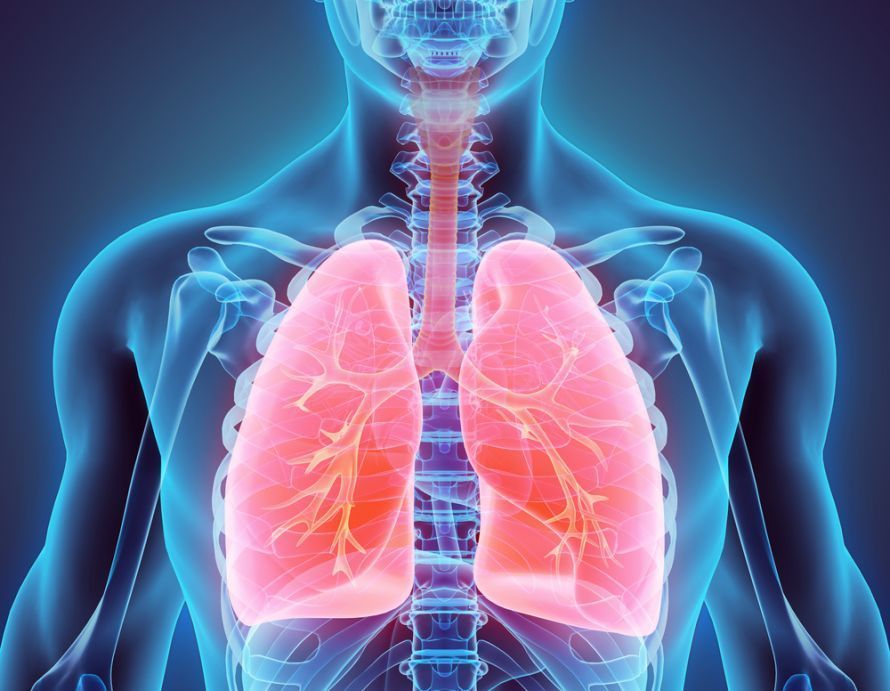 Pneumonia is usually caused by bacteria, viruses, or fungi @ yodiyim /AdobeStock
What are the symptoms of pneumonia?
The signs of pneumonia vary depending on the type of pathogen. A basic distinction is made between typical and atypical pneumonia. While typical pneumonia is caused by bacteria (pneumococci), viruses and other pathogens are responsible for atypical pneumonia.
Typical symptoms:
Typical pneumonia is characterized by an acute course of the disease, accompanied by the following symptoms:
- Fever and chills
- Severe cough with or without phlegm
- Shortness of breath
- Chest pain, often when breathing or coughing
- Increased heart rate (tachycardia)
- General weakness and fatigue
- Confusion, especially in older adults
Atypical symptoms (often associated with viral infections):
- Dry, hacking cough
- Mild fever or no fever at all
- gradually worsening feeling of illness
In severe cases, cyanosis may occur—a bluish discoloration of the lips or fingernails due to a lack of oxygen.
Causes and Risk Factors
The most common cause is bacteria, primarily pneumococci. However, viruses, fungi, parasites, or chemical irritants can also trigger inflammation.
Other risk factors include:
- Smoking
- chronic lung diseases (e.g., COPD)
- Heart failure
- diabetes mellitus
- advanced age
- Weakened immune system (e.g., due to cancer or medications)
- Swallowing difficulties or aspiration of food
- Prolonged bed rest
Environmental factors such as fine particulate matter, gases, or radiation exposure can also increase the risk.
Examination and Diagnosis
The diagnosis is made by a primary care physician or a pulmonologist.
Possible tests include:
- Physical examination (auscultation of the lungs)
- Chest X-ray
- Blood test (inflammatory markers, oxygen levels)
- Sputum culture to identify the causative pathogen
- Pulse oximetry (measurement of blood oxygen saturation)
In severe cases, additional procedures such as computed tomography (CT) or bronchoscopy (examination of the airways) may be used.
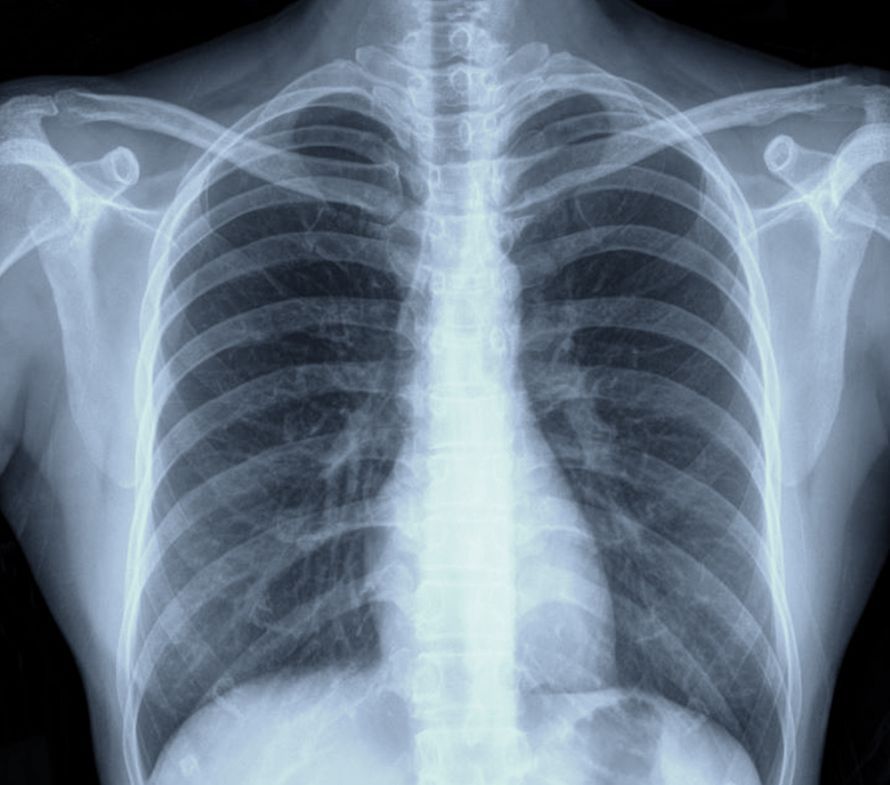 If pneumonia is suspected, a chest X-ray is always required @ utah51 /AdobeStock
Treatment: What helps with pneumonia?
Treatment depends on the type of pathogen and the severity of the illness.
Possible treatments include:
- Antibiotics (for bacterial infections)
- Antiviral or antifungal medications (for viral or fungal infections)
- Fever-reducing medications (e.g., acetaminophen)
- Inhalations (e.g., with saline solution)
- Respiratory therapy and tapping massages
- Bed rest and adequate fluid intake
Important: Antibiotics should not be stopped prematurely—even if symptoms improve. Stopping treatment prematurely can lead to antibiotic resistance.
Course and Prognosis
If pneumonia is diagnosed and treated in a timely manner, it resolves completely within 10 to 14 days in most people.
However, complications can occur in severe cases:
- Pleurisy (inflammation of the pleura)
- Pleural effusion (fluid in the lungs)
- Lung abscesses (accumulations of pus)
- Sepsis (blood poisoning)
- Myocarditis in cases of prolonged illness
People with chronic illnesses, smokers, and older patients are at increased risk for complications. In rare cases, the disease can be fatal.
Is pneumonia contagious?
Yes—especially if it is caused by bacteria or viruses. The pathogens spread through droplet transmission, that is, when coughing, sneezing, or speaking.
Precautions to prevent infection include:
- frequent handwashing
- keeping a safe distance from sick people
- Wearing a face mask in high-risk areas
- Coughing and sneezing etiquette
Prevention: How can you protect yourself?
A strong immune system is the best protection.
Prevention tips:
- Regular exercise in the fresh air
- A balanced diet rich in vitamin C
- Avoiding nicotine and excessive alcohol consumption
- Staying well-hydrated
- Flu and pneumococcal vaccinations (especially for high-risk groups)
What is persistent pneumonia?
If pneumonia is not fully treated, it can become chronic or damage vital organs.
Dangerous complications include:
- Heart muscle inflammation (myocarditis)
- Meningitis
- Respiratory failure
For this reason, patients should continue to take it easy for several days even after the fever has subsided and should undergo regular medical checkups.
Which doctor treats pneumonia?
Specialists in pulmonology or respiratory medicine are primarily responsible for diagnosis and treatment. Family doctors also often provide initial care and refer patients to a specialist if necessary.
Conclusion
Pneumonia is a serious respiratory disease that can be caused by various pathogens. Early diagnosis and targeted treatment are crucial for a recovery without complications. Preventive measures such as vaccinations, a healthy lifestyle, and a strong immune system help reduce the risk.
Glossary (important terms explained simply)
- Pneumonia: medical term for lung inflammation
- Cyanosis: Bluish discoloration of the lips or fingers due to a lack of oxygen
- Antibiotic resistance: Bacteria no longer respond to antibiotics
- Pleural effusion: Fluid accumulates between the lung and the chest wall
- Bronchoscopy: Examination of the airways using a camera
- Sepsis: a life-threatening spread of pathogens in the blood
Share this article

About the medical author
Sabine Schneider
Editor-in-Chief
Sabine Schneider – medical author: Explore expert articles and medical expertise in the Leading Medicine Guide.
View full expert profile →