Whether it’s healthy sleep or sleep disorders—sleep medicine deals with both. Of course, sleep specialists are primarily called upon to treat sleep disorders. This is because chronic sleep deprivation over an extended period can have serious mental and physical consequences. Conditions and disorders that affect sleep include sleep apnea, sleepwalking, difficulty staying asleep, and “restless legs,” also known as restless legs syndrome.
When sleep disorders or sleep-wake disturbances affect the body, specialists are needed. If sleep disorders persist for a long time, an examination in a sleep lab is often conducted. Patients then spend a certain amount of time in a clinic, where doctors electronically monitor their sleep.
Polysomnography records the following activities and subsequently analyzes the data:
- Brain waves
- Heart rate
- Eye movements
- Muscle activity
- Oxygen saturation
All of these factors ultimately provide a comprehensive picture to help identify the cause of the sleep disorder. Patients with narcolepsy also consult sleep specialists.
Sleep medicine is a medical specialty that focuses on the diagnosis and treatment of sleep disorders.
Experts in sleep medicine come from the following fields:
In addition, they have completed an 18-month advanced training program in sleep medicine.
During this training, the physicians focus on the effects of sleep on the body and mind.
They also address the following questions:
- What is sleep?
- How does sleep work?
- What types of sleep disorders are there?
- How do sleep disorders manifest themselves?
The treatment of sleep disorders is also a central focus of the advanced training program in sleep medicine.
Scope of Sleep Medicine
Diagnosis includes taking a medical history, i.e., a detailed discussion with the patient about their symptoms and medical history.
However, the sleep lab provides more detailed information. Here, the patient sleeps while connected to various diagnostic devices that monitor breathing, movements, and other vital signs.
This allows sleep medicine experts to form a picture of the patient’s condition and draw conclusions about the cause and severity of the disorder.
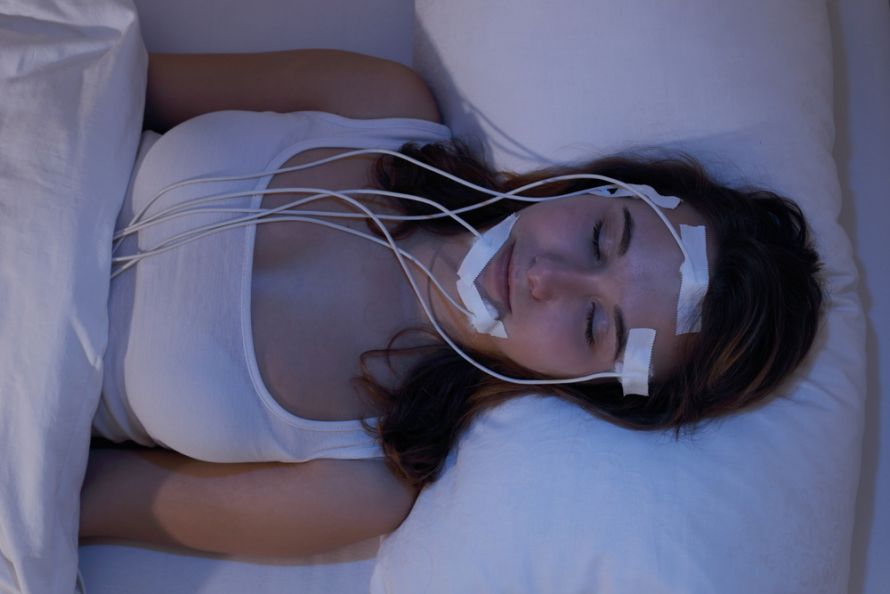 In the sleep lab, doctors monitor the patient’s sleep using recording devices @ RioPatuca Images /AdobeStock
The range of treatments in sleep medicine is very broad and depends on the cause of the disorders. For this reason, sleep medicine specialists often collaborate with experts from other medical disciplines.
Common treatments include:
- Somnoplasty
- Home ventilation, and
- Surgical procedures