Respiratory diseases affect the upper or lower respiratory tract in humans. There are several different types of respiratory diseases, such as asthma, sinusitis, and pneumonia. Learn more about the various types here and find a doctor who specializes in respiratory diseases.
Respiratory diseases refer to a broad spectrum of conditions that affect the upper and lower respiratory tracts.
Classification of Respiratory Diseases
Respiratory diseases can be broadly classified into two categories:
- obstructive diseases (blocked or narrowed airways, e.g., asthma), and
- restrictive diseases (reduced elasticity of the lung tissue, so that oxygen uptake is limited from the outset).
Typical examples of upper respiratory tract diseases include
- the common cold,
- acute sinusitis, or
- chronic pharyngitis.
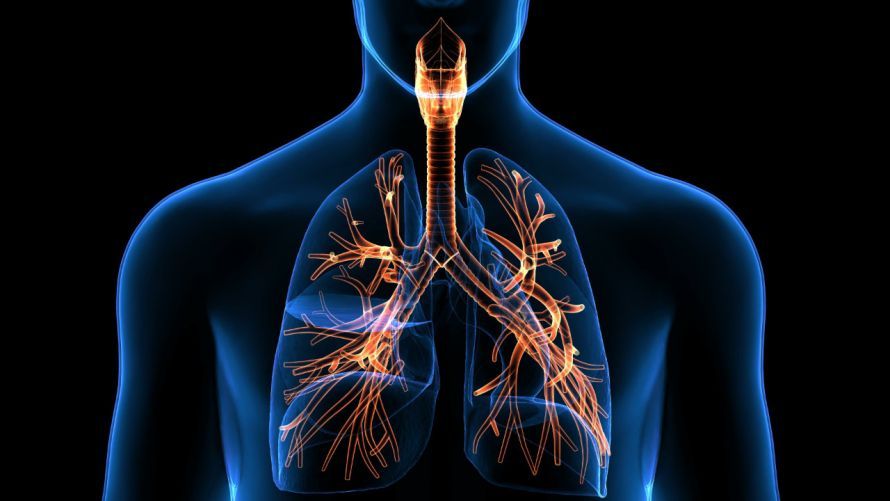
The respiratory tract, including the trachea and the bronchi in the lungs © PIC4U | AdobeStock
Diseases of the lower respiratory tract include, among others,
- bronchitis, e.g., in children,
- pneumonia, and
- asthma.
The causes of these conditions can vary widely. They range from congenital malformations or metabolic disorders to common infection risks in our daily lives.
Selected clinics can offer you effective treatment options for any form of the disease.
Typical Symptoms
Share this article