Eyelid surgery, wrinkle treatment, and hair transplants: More and more women and men are fulfilling their desire for a fresh, more youthful appearance through cosmetic procedures. Below, you’ll learn more about the most common procedures for facial rejuvenation, as well as the procedure, results, and healing process for each treatment.
You’ll also find a selection of specialists in facial rejuvenation here.
Minor Procedures for Natural Beauty
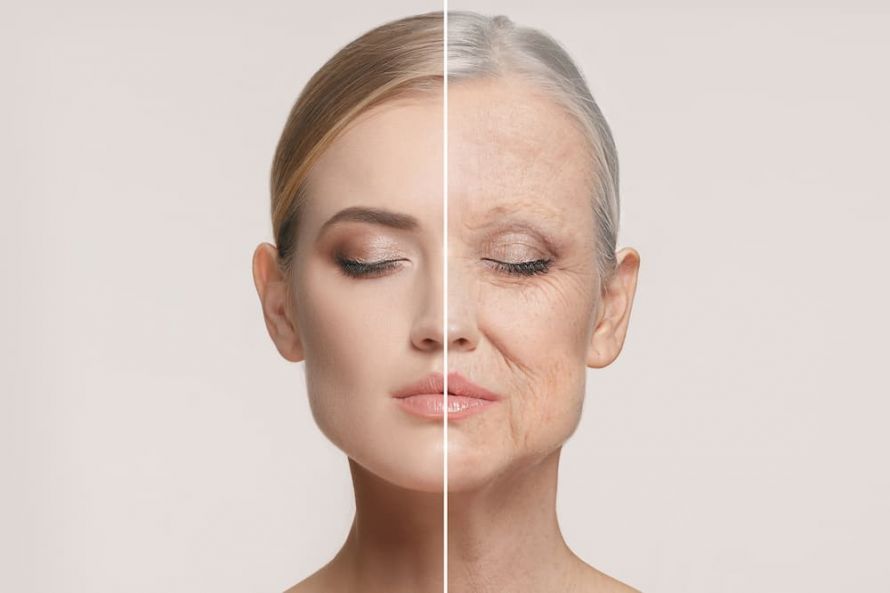
Getting enough sleep, exercising, eating a healthy diet, and spending time outdoors help you maintain a fresh appearance. However, not all age-related changes to the face can be corrected through a healthy lifestyle.
Cosmetic and plastic surgery procedures can, among other things, smooth out wrinkles and tighten facial features, thereby improving one’s appearance in the long term.
© master1305 | AdobeStock
Overview of the Most Popular Procedures for Facial Rejuvenation
Women remain more open to aesthetic surgeries and treatments than men. According to an estimate by the Association of German Aesthetic and Plastic Surgeons, 50 percent of aesthetic surgical procedures performed on women are in the facial area.
The most common aesthetic procedures for women are:
- Wrinkle treatment with botulinum toxin,
- eyelid correction,
- Lifts (facelift/forehead lift).
However, the number of men taking advantage of the options offered by aesthetic and plastic surgery is also rising. As a result, about 15 percent of all aesthetic surgical procedures are now performed on men, with about 75 percent of those taking place on the face.
Men frequently undergo the following procedures:
- eyelid correction,
- hair transplant,
- Facelift (face lift/brow lift).
Wrinkle treatment with botulinum toxin
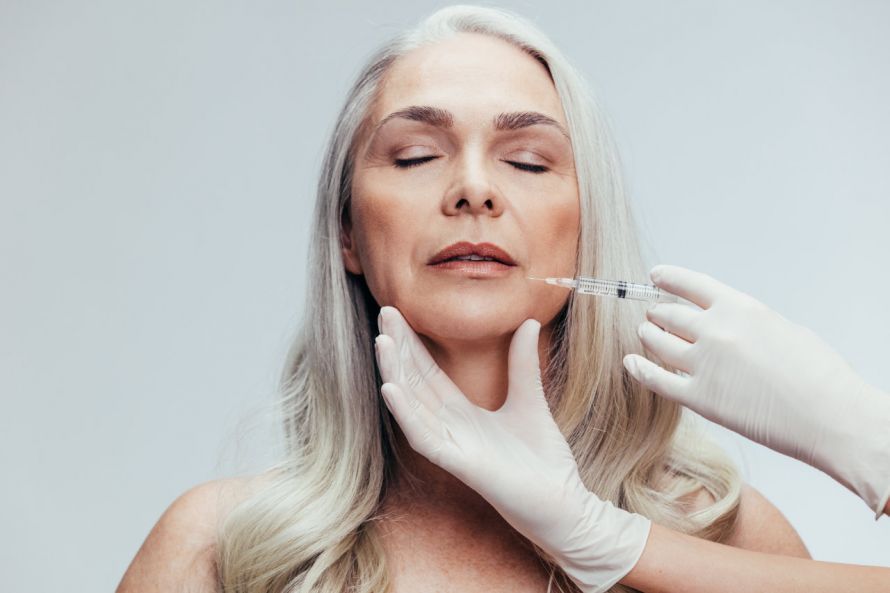
One of the best-known forms of facial rejuvenation is targeted treatment with botulinum toxin. Botox treatment is primarily used to smooth expression lines on the forehead and around the eyes. To do this, a small amount of the agent is injected directly into the muscles of the affected area, thereby reducing muscle activity in that part of the face.
The effect is not immediately visible but becomes apparent after a few days.
In rare cases, mild
- swelling,
- redness, and
- bruising
may occur. To avoid compromising the results, Botox patients should refrain from exercising for at least four hours after treatment. You should also keep your head in an upright position. You can return to work immediately after the procedure.
To maintain the results, the injection must be repeated every four to six months, with the treatment intervals gradually lengthening.
Eyelid Correction
Eyelid correction, also known as blepharoplasty,
- tightens sagging eyelids,
- reduces fine lines around the eyes, and
- corrects under-eye bags.
After the surgery, the eyelid area appears smoother, while natural laugh lines remain. To achieve this, excess skin and fat deposits are removed from the upper and/or lower eyelids. The skin and muscles around the eye are tightened.
Swelling occurs after the procedure but usually subsides after two days. Any bruising that occurs is no longer visible after about a week.
The sutures are usually removed one week after the procedure. Afterward, patients are ready to return to work.
Facelift
The facelift is a “classic” among cosmetic surgeries. It can make you look up to ten years younger and gives you a refreshed facial appearance. Often, a facelift involves a combination of tightening the temples, cheeks, and neck.
In a facelift, the incisions are made behind the hairline. This allows the tissue beneath the skin—and thus the sagging facial muscles—to be tightened.
Depending on the patient’s condition, the surgery takes two to three hours and is performed under general anesthesia or twilight sedation.
After the surgery, many patients experience a feeling of tightness. Swelling and bruising are also to be expected. Most patients return to work ten days after the procedure.
Hair Transplant
Many men suffer from hereditary hair loss. This typically begins with receding hairlines and often progresses to the gradual loss of all hair on the top of the head. Many affected individuals wish to regain their former full head of hair. One option is a hair transplant: In this procedure, healthy hair follicles are harvested from the dense hair at the back of the head and transplanted to the balding areas.
There are various methods available, such as the flap, point, or strip techniques. The treating physician determines which technique is best suited for the patient. After the procedure, which lasts about two to four hours, a scab forms initially, which heals completely after about two weeks.
The transplanted hair may even fall out again temporarily, but it will then grow back vigorously. The patient can then once again enjoy a natural-looking hairstyle.
A Consultation Is Essential
The following applies to all aesthetic procedures: A consultation with a specialist in plastic and aesthetic surgery and the professional execution of the procedure are essential for a positive, natural-looking result.
It is important that the surgeons belong to a reputable professional association such as the VDÄPC mentioned above. They should also have many years of experience in the field of aesthetic and plastic surgery.

About the medical author
Dr Uni. PD Amro Homssi
Medical Editor
Dr. Uni. PD Amro Homssi – medical author: expert articles, professional insights and medical knowledge in the Leading Medicine Guide.