A humped nose is a common external deformity of the nose that can be either congenital or caused by trauma. A humped nose is characterized by an upward curvature of the nasal bridge. A humped nose is corrected through a procedure known as septorhinoplasty.
Below you will find further information as well as a selection of specialists for correcting a humped nose.
Definition: Hump Nose
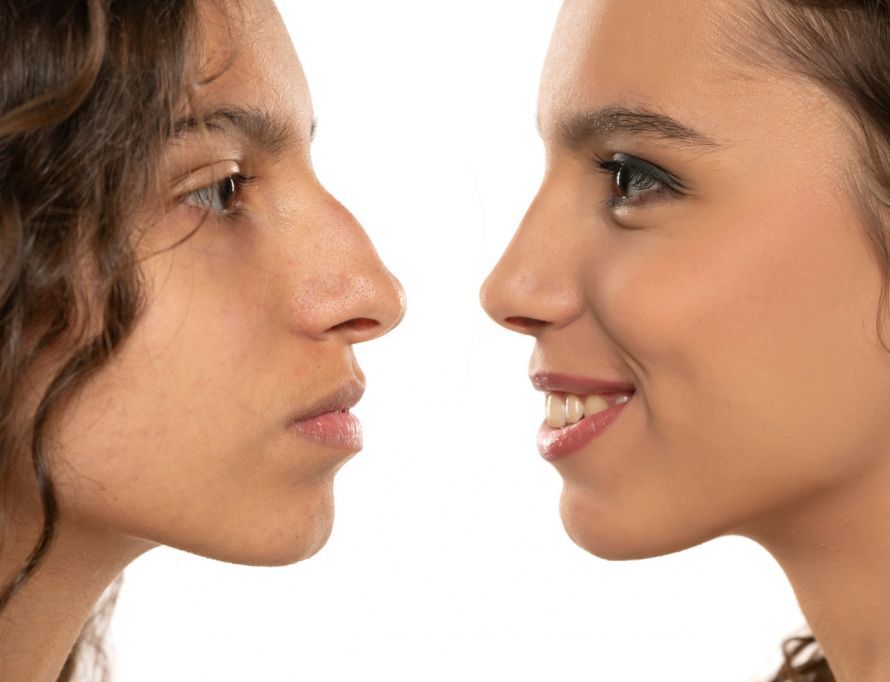
A hump nose is a deformity of the nose. In a humped nose, the bridge of the nose is curved upward (convex). A humped nose is a common external deformity of the nose. It is often accompanied by other deformities, such as a crooked nose with a hump or a tension nose with a hump.
The deformity can affect both the upper bony and the lower cartilaginous parts of the nose. Often, both the cartilaginous and bony parts of the nose contribute to the hump. If, on the other hand, the cartilaginous portion of the nose—including the tip—has sunk downward relative to the normally positioned bony bridge of the nose, this is referred to as a “pseudo-hump” of the nose.
Causes of a Hump Nose
A humped nose can be congenital or caused by trauma. A pseudo-hump resulting from cartilage loss, on the other hand, is almost exclusively caused by
- a corresponding nasal trauma or
- as a result of nasal surgery.
Symptoms of a humped nose
Nasal deformities generally occur in combination, so a nose with a hump alone is rare. First and foremost, the cosmetic appearance is bothersome and is the primary reason for seeking treatment.
When combined with changes to the internal structure of the nose, such as a deviated nasal septum, there are a variety of possible symptoms, including
- impaired nasal breathing,
- recurrent nosebleeds, or
- pain when wearing glasses due to thin skin on the bridge of the nose.
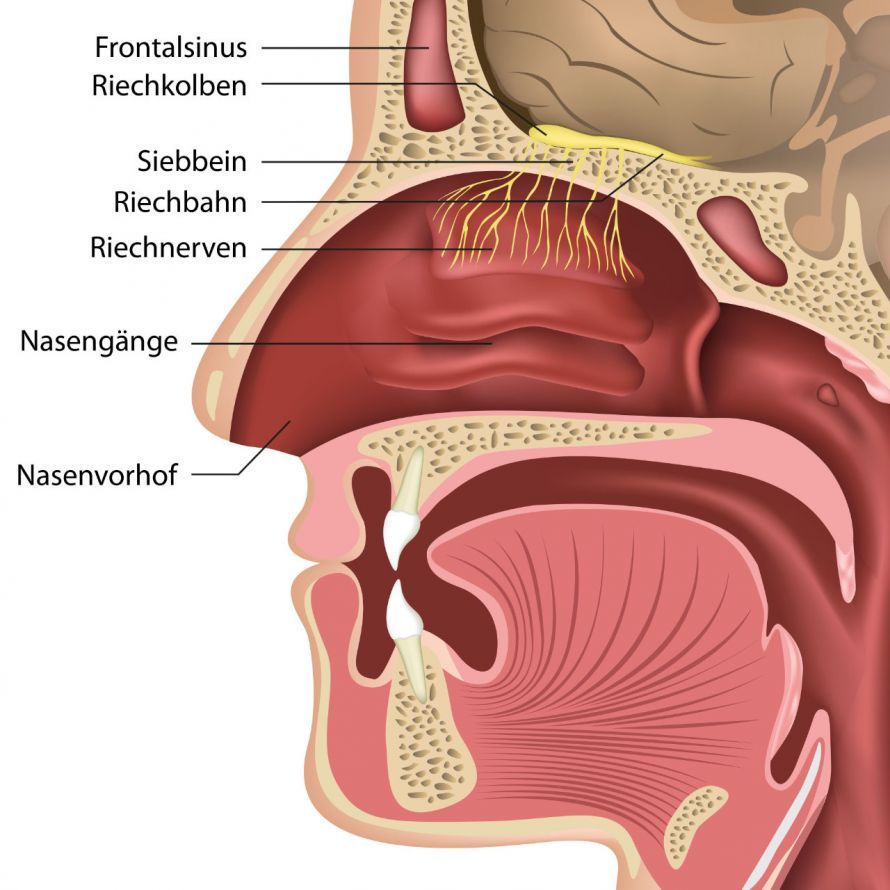
A humped nose can be caused by cartilage, bone, or a combination of both © bilderzwerg | AdobeStock
Diagnosis of a Hump Nose
Diagnosis involves a functional assessment of the nose, known as rhinomanometry. This procedure is used to objectively measure airflow through the nose.
The most important component of a thorough diagnosis of a humped nose is a careful clinical examination of the nose. During this examination, the nose is inspected from the inside and outside to identify any relevant pathologies. Based on these findings, an individualized treatment and surgical plan can be developed.
Preoperative photographic documentation of the hump nose must be performed.
Correction of a Hump Nose
Correction of a hump nose is performed surgically through a procedure known as septorhinoplasty.
Depending on the findings and the surgeon’s recommendation, either open or closed rhinoplasty is performed.
In open rhinoplasty, the skin on the nasal bridge is incised. The surgeon then makes additional incisions at the nasal vestibule, thereby exposing the entire nasal skeleton. In the next step, the surgeon can perform the correction.
This surgical technique results in a small external scar in the center of the nasal bridge. It is usually not cosmetically noticeable at all.
In contrast, with the so-called closed technique, all incisions or access points are made inside the nose. This allows the surgeon to reach the relevant areas of the nose. A disadvantage of the closed technique is the somewhat limited anatomical view.
The removal of the nasal hump generally involves completely detaching the bony structure of the nose from the midface. This means that the nasal framework is fully mobilized.
Removing a nasal hump leaves what is known as an “open roof” on the bridge of the nose: a widening of the bridge caused by the two nasal wings now standing apart. To bring the sides of the nose back together at their tips, it is necessary to completely detach the bony nasal skeleton from the midface using a chisel.
Finally, the fracture lines are usually covered with thin cartilage against the skin, thereby smoothing and leveling the nasal bridge.
If necessary, rhinoplasty can be combined with correction of a deviated nasal septum.
Postoperative Care Following Surgical Correction of a Hump Nose
Postoperatively, a tamponade is applied for 2 days to provide internal splinting of the nose. The patient also receives a bandage made of adhesive tape and plaster, which is left in place for about a week. The bandage is intended to stabilize the surgical result and facilitate better healing.
Avoid contact sports for about six weeks after rhinoplasty. Otherwise, injuries could jeopardize the complete healing and stability of the nasal structure.
Correction of a humped nose is usually achieved in a single surgical procedure. Revision surgery is required in 5 to 15 percent of cases, depending on the initial findings.
Share this article