Expert Interviews
An Interview with Prof. Dr. Heyder Omran: “Sometimes you have to tune out your heart.”
Claudia Dechamps ·
Professor Dr. Heyder Omran is one of the most renowned and highly experienced cardiologists: Every year, he and his teams treat more than 7,000 inpatients! He is a board-certified specialist in internal medicine and cardiology, interventional cardiology (DGK), cardiac computed tomography (DGK), and heart failure (DGK) at the GFO Clinics in Bonn, which rank among the top 10 in Germany for cardiac implantology. In 2003, he was awarded the Paul Winterstein Prize by the German Heart Foundation. As an experienced heart specialist, Prof. Omran always puts people first—even when faced with very high medical and scientific standards—and thus consistently develops treatment plans tailored to each individual’s needs.
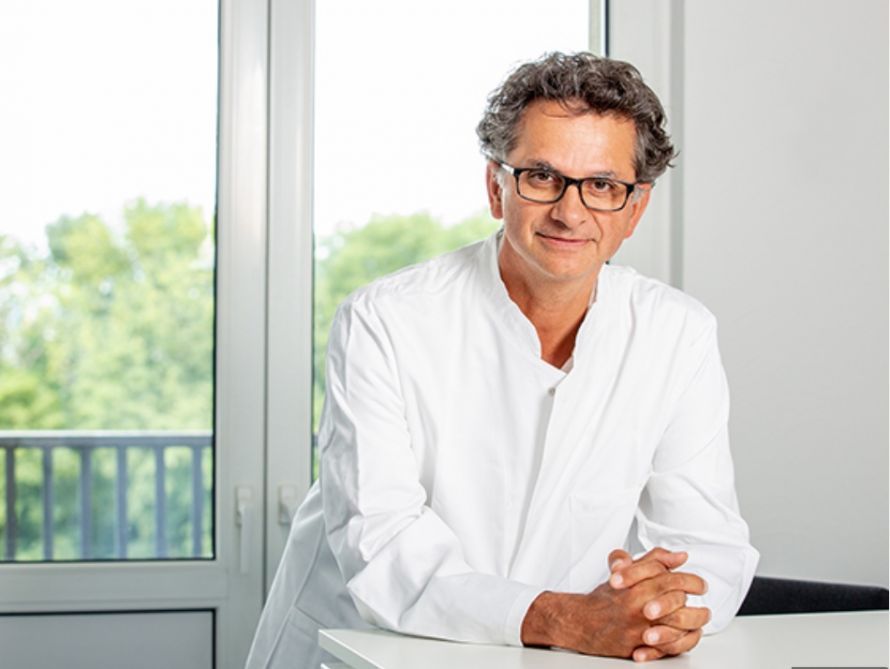
Leading Medicine Guide: For over twenty years, you have been Chief of Cardiology at the GFO Clinics in Bonn, which include the St. Marien and St. Josef facilities. What continues to fascinate you about your professional work?
Prof. Dr. Heyder Omran: It’s a three-part harmony: First of all, I really enjoy working with people—with my patients. When I receive positive feedback, I often go home feeling truly inspired. That’s really wonderful. And we cardiologists truly have the advantage of being able to seriously alleviate suffering—compared to some other medical specialties. Second: I’ve now reached an age where I can pass on a great deal of my knowledge and experience to younger generations of doctors, and that also gives me great joy. And last but not least, it’s the scientific work that challenges me and brings me a lot of pleasure.
Leading Medicine Guide: Patients come to you with problems affecting what is arguably the most important organ in our body—the heart. Diagnosis and treatment aren’t just about finding the right approach; the patient themselves must be met where they are and cared for individually. How do you achieve that?
Prof. Dr. Heyder Omran: I have the advantage of working at a Christian hospital, and I think we do a pretty good job here of putting people first. This naturally includes in-depth consultations; I need to get to know each patient well so I can ensure they understand my medical explanations. It’s important to me to work with patients to develop an understanding of what’s specifically important and right for them—and what might not resonate with them. We have highly complex technology at our disposal today. That is precisely why it is necessary to strike a careful balance and determine where the limits lie for each individual. Not everything that is technically possible is truly appropriate in every individual case.
Leading Medicine Guide: The cardiology department at the CFO Clinics in Bonn is a nationally recognized specialty clinic for the implantation of atrial appendage closure systems. What exactly is that?
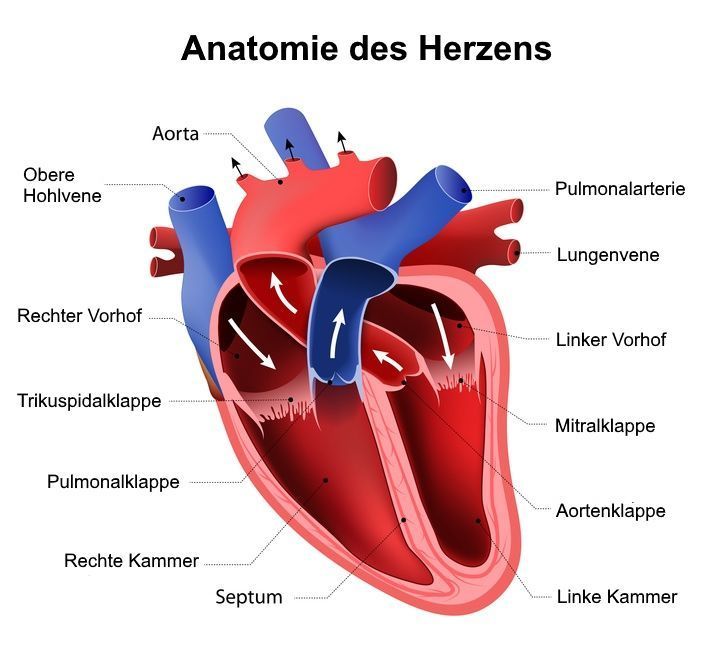
Prof. Dr. Heyder Omran: We implanted the first closure systems as early as 2001 and have extensive experience with them. We also train young physicians in this technique at our hospital. The human heart has four chambers: two atria and two ventricles. Attached to the atria are two blind sacs known as the atrial appendages—auriculae atrii. Put simply, they serve as an additional reservoir for blood and generally do not cause any problems. Under certain conditions, however, blood clots can form in the atrial appendages, and these clots, if they travel into the aorta, can trigger strokes. Today, blood-thinning medications are very effective at dissolving such clots or preventing them entirely. Unfortunately, however, many people cannot tolerate these medications. This led to the idea in medicine of clipping off the atrial appendage, but it is only since the advent of modern interventional cardiac catheterization that significant progress has been made. Today, an occlusion device is advanced through the groin to the atrial appendage and used to seal it off. This prevents further blood clots from forming there. The atrial appendage occluder is an implant made of medical-grade metal mesh that remains permanently in the heart after insertion.
Leading Medicine Guide: At the beginning, you mentioned that you take great pleasure in passing on your knowledge to the next generation of physicians. What is particularly important to you in this regard?
Prof. Dr. Heyder Omran: It is important to me to train young doctors to develop the best possible care for their patients. To do this, they must prioritize in-depth conversations with their patients and cultivate the ambition to engage them in their care. It gives me great pleasure to see how enthusiastic the young doctors are and how committed they are to this field.
Leading Medicine Guide: And scientific research is very important to you. What studies is the cardiology department at CFO Clinics Bonn currently participating in?
Prof. Dr. Heyder Omran: We have several studies underway on atrial appendage closure. We’re also participating in studies on pulmonary embolism and blood thinners. I consider studies to be incredibly important. For example, we should have started collecting data right at the beginning of the COVID-19 pandemic. Based on a broad data set, I can then make valid, reliable conclusions. That’s why we participate in many studies. We also take part in continuing education programs and host them here at our hospital—as an academic teaching hospital, we have excellent opportunities to do so. For me and my team, participating in continuing education programs offered by professional societies and attending national and international conferences is simply part of the job. People used to say that knowledge remained relevant for about seven years; today, we see constant progress. The knowledge we acquire may only remain relevant for two to three years. This means we must—and, of course, want to—stay up to date. That said, we take a critical approach to innovations in medical technology. We try out and carefully test every innovation. We demonstrate the high medical quality of our cardiology department through regular certifications.
Professor Omran, thank you for this very interesting insight into your work.
Anyone wishing to contact our specialist directly can do so via his profile page on the Leading Medicine Guide.
Share this article
GFO Kliniken Bonn - Betriebsstätte St. Marien
ProfileExpert Interviews
Read next
- Expert interview
Expert interview with Professor Dr Elmar Herbst, PhD
Oct 15, 2026
Patient-centred and personalised knee surgery
Read more - Expert interview
Cardiogeriatrics: Significance and benefits in the context of hospital reform
Sep 21, 2026
Cardiogeriatrics: Significance and benefits in the context of hospital reform
Read more - Expert interview
Expert Interview with Professor Dr. Amadeus Hornemann, MPH
Sep 18, 2026
Prof. Amadeus Hornemann on Precision Medicine in Gynecology: Modern Surgery, New Techniques, Better Quality of Life
Read more