

Geriatrics, also known as geriatric medicine, is a medical specialty focused on the diagnosis, treatment, and prevention of diseases in older adults. The goal of geriatric medicine is to enable older adults to lead lives that are as independent, active, and fulfilling as possible.
As people age, their physical and mental functions change. Often, multiple conditions occur simultaneously and influence one another. This is precisely where modern geriatrics comes in: it considers not just individual diseases, but the person as a whole—physically, mentally, socially, and emotionally.
Geriatrics combines internal medicine, neurology, orthopedics, and rehabilitation, and works closely with nursing staff, physical therapists, occupational therapists, speech-language pathologists, and social services.
What conditions does geriatric medicine treat?
Geriatrics deals with typical health issues and diseases associated with older age. These include, among others:
- Cardiovascular diseases
- Diabetes mellitus
- Osteoporosis
- Osteoarthritis and joint disorders
- Dementia and memory disorders
- Parkinson's disease
- Consequences of stroke
- Unsteady gait and risk of falling
- Incontinence
- Malnutrition
- Depression in Older Adults
- Chronic pain
- Multimorbidity
Older adults, in particular, are often more sensitive to medications or stress. That is why reviewing existing medications—a process known as “deprescribing”—plays a central role in geriatric care.
A Holistic Approach in Geriatrics
A key feature of geriatric medicine is its holistic approach to treatment. The focus is not solely on the disease itself, but on maintaining independence and quality of life.
To this end, a so-called geriatric assessment is often conducted. This involves examining various areas, such as:
- Mobility and risk of falls
- Memory and concentration
- Activities of daily living
- Nutritional status
- Medication use
- Mental Health
- Social Support in Daily Life
Based on these findings, an individualized treatment plan is developed that is precisely tailored to the patient’s needs. In addition, a frailty screening can help identify at-risk patients at an early stage.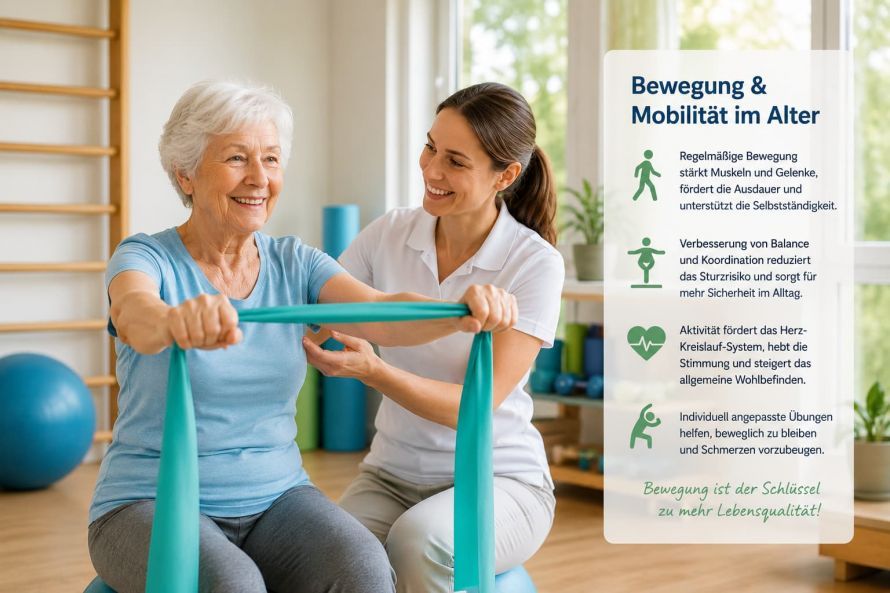
When is geriatric care appropriate?
Geriatric co-management is particularly recommended when older adults suffer from multiple conditions simultaneously or when their independence is increasingly limited—for example, in cases of frailty syndrome or significant immobility in old age.
Repeated Falls
Falls are among the most common causes of hospitalizations in older adults. Geriatrics analyzes the causes and develops individualized measures to prevent falls.
After surgery or serious illness
Following bone fractures—such as a femoral neck fracture in older adults—strokes, or major surgeries, early geriatric rehabilitation helps restore mobility and independence. The surgical risk associated with aging also plays an important role in treatment planning.
Memory Problems and Dementia
Early diagnosis of dementia and targeted dementia therapies can help preserve cognitive abilities for as long as possible and relieve the burden on family members. It is also important to distinguish between dementia and depression. At the first signs, mild cognitive impairment (MCI) should also be evaluated.
Loss of Independence
When everyday tasks become increasingly difficult, geriatric medicine provides support through targeted therapeutic and social measures. In advanced stages of illness, palliative care for the elderly and a living will drawn up in a timely manner can also provide important guidance.
Geriatric Rehabilitation
Geriatric rehabilitation is specifically designed for older patients following serious illnesses, surgeries, or prolonged hospital stays.
The primary goal is to restore physical and mental abilities as fully as possible. Various medical specialties work closely together to achieve this.
Geriatric rehabilitation includes, among other things:
- Physical therapy
- Occupational therapy
- Speech therapy
- Pain management
- Nutrition counseling
- Memory Training
- Mobility Training and Muscle Strengthening
A personalized treatment plan tailored to the patient’s individual resources and needs is particularly important. Joint replacement in older adults is often part of the rehabilitation plan—whether it’s a total hip replacement starting at age 80 or a knee replacement later in life.
The Importance of Prevention in Older Adults
Modern geriatric medicine focuses not only on treatment but increasingly on prevention as well. Many health issues in older adults can be positively influenced by early intervention.
- Regular exercise
- A balanced diet
- Mental stimulation
- Social Interaction
- Fall prevention
- Management of chronic conditions such as atrial fibrillation or sarcopenia
- Regular preventive checkups
An active lifestyle plays a crucial role in maintaining health and quality of life well into old age. Special attention should also be given to preventing delirium in older adults through targeted delirium prevention measures.
Interdisciplinary Collaboration in Geriatrics
The care of older adults often requires collaboration among various medical disciplines. For this reason, geriatrics works closely with specialties such as internal medicine, neurology, orthopedics, cardiology, and psychiatry.
In addition, nurses, therapists, and social workers play an important role in the treatment plan. In the field of geriatric traumatology, for example, close collaboration between trauma surgery and geriatrics is particularly important. Only through this interdisciplinary collaboration can comprehensive care be ensured.
Conclusion: Maintaining Quality of Life and Independence
Geriatrics is far more than just medicine for older adults. Its goal is to maintain health, mobility, and independence for as long as possible while taking into account the individual needs of each patient.
Through modern diagnostics, holistic treatment approaches, and interdisciplinary collaboration, geriatric medicine makes an important contribution to a self-determined life in old age.

About the medical author
Naumche Matoski
Medical writer
