News
Hand, Foot, and Mouth Disease: Transmission, Symptoms, and Tips for Daily Life

Melanie Al Tikriti, BSc ·
What Parents and Those Affected Should Know
Hand, foot, and mouth disease is a common viral infection that primarily affects children under the age of five. The disease is usually caused by enteroviruses and is highly contagious. Although the illness is usually mild, it can significantly disrupt daily life, especially for parents and caregivers. Children need to be cared for while they are sick, and at the same time, the risk of transmission must be minimized in daycare centers, schools, or at home.
Symptoms and Course of the Disease
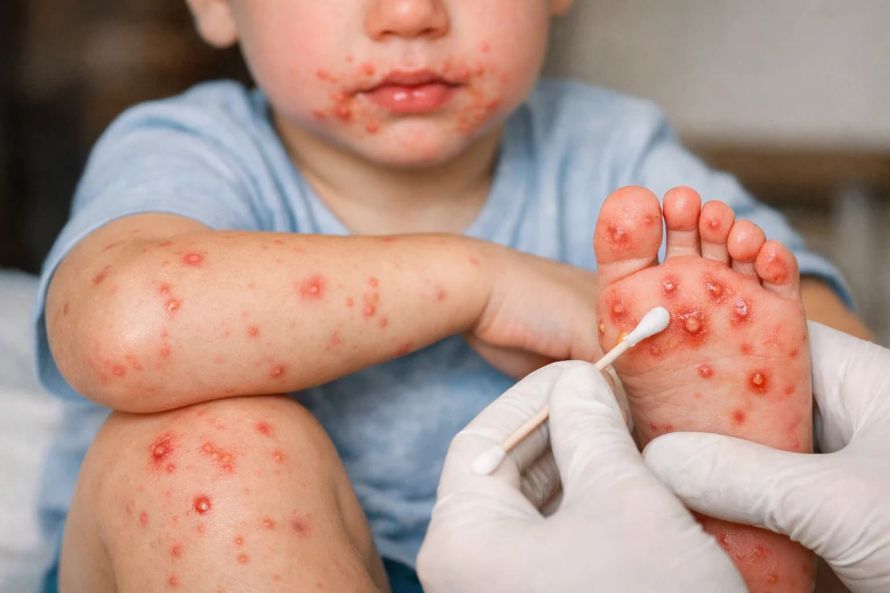
The first signs typically appear two to seven days after infection. Children often experience fever, fatigue, and loss of appetite. A particularly characteristic symptom is the blisters in the mouth, which can cause pain when eating or drinking. At the same time, a rash appears on the hands and feet, and sometimes also on the thighs or buttocks. The symptoms usually last about seven to ten days. During this time, children are particularly contagious, even if they already feel a little better. It is important to recognize the course of the illness early on in order to contain the infection and organize daily life effectively.
In addition to physical symptoms, children may be more restless, irritable, or clingy than usual during this time. Parents should pay attention to their child’s mood, as feeling unwell can often lead to emotional outbursts. Recognizing symptoms early makes it easier to plan rest periods and promotes the children’s well-being.
Why Children Are Particularly Susceptible
Young children have an immune system that is not yet fully developed, which means it cannot fend off viruses and bacteria as effectively as that of older children or adults. In addition, close contact in daycare centers and playgroups plays a major role, as children often play together, share toys, and do not yet wash their hands consistently. Children’s natural curiosity and the frequent touching of their mouths, noses, and eyes also facilitate the spread of viruses. Parents can take preventive measures by introducing hygiene rules in a playful way, explaining handwashing to their children, and ensuring that shared items are kept clean. On the positive side, every infection strengthens the immune system and helps ensure that children are better equipped to fight off other viral infections in the future.
Transmission and Hygiene Measures
The viruses spread primarily through droplet transmission when coughing, sneezing, or speaking, but also through direct contact with blisters or infected stool. Infection can easily occur, especially in group settings such as daycare centers or among siblings at home.
Specific hygiene measures can help prevent the spread of the virus:
- Regular, thorough handwashing for children and adults
- Keeping toys, surfaces, and shared items clean
- Immediately dispose of tissues, blisters, or used diapers
Parents can significantly reduce the risk of infection and make the course of the illness more manageable. At the same time, children learn early on to follow hygiene rules, which also helps prevent other illnesses.
Everyday Tips for Affected Children
Even though the illness is harmless in most cases, it can be very uncomfortable for children. Parents should make sure children drink enough fluids to avoid dehydration. Soft, easily digestible foods such as porridge, yogurt, or fruit puree make eating easier, as blisters in the mouth can cause pain. Pain relievers or fever reducers should only be used as recommended by a doctor.
Rest is especially important to give the body a break. Simple activities like reading aloud, doing crafts, drawing, or listening to audiobooks can help distract children and make the day more enjoyable. If possible, try to maintain a daily routine that minimizes stress, such as quiet mealtimes and bedtimes. During the contagious phase, it is crucial that children stay home to avoid infecting others.
When to Seek Medical Help
In most cases, hand, foot, and mouth disease clears up on its own after about a week. However, you should seek medical advice if your child develops a high fever, shows signs of dehydration, or if the symptoms are unusually severe or persistent. Children with weakened immune systems or very young infants should also be closely monitored, as additional medical care may be necessary in these cases.
Conclusion: Managing Hand, Foot, and Mouth Disease Properly
Hand, foot, and mouth disease is generally harmless but can significantly disrupt daily life. Parents and caregivers can make the course of the illness much easier by practicing good hygiene, monitoring symptoms, ensuring plenty of rest, and providing age-appropriate activities. Those who recognize the illness early and consistently implement preventive measures can better plan daily life and improve the children’s well-being during the illness. Patience and attention are crucial, as the symptoms usually subside on their own after a few days.
Share this article
News
Read next
- News
Scabies: A contagious skin disease that is easily treatable
Oct 26, 2026
Severe itching and minor skin changes should be taken seriously
Read more - News
Heat Rash: What's Behind the Itchy Blisters
Oct 23, 2026
Heat Rash: Heat and Sweat Can Disrupt the Skin's Balance
Read more - News
Enlarged Prostate – When Medication Is Sufficient and When Surgery Is Recommended
Oct 21, 2026
Why Many Men Ignore Urinary Problems for Too Long
Read more