News
Heat Rash: Heat and Sweat Can Disrupt the Skin's Balance

Melanie Al Tikriti, BSc ·
High temperatures, intense sunlight, and heavy sweating put a strain on the body and skin, especially in the summer. This is when many people suddenly develop small red blisters or itchy skin lesions. This is often caused by a heat rash, medically known as miliaria. These skin changes are usually harmless, but they can be very uncomfortable and significantly interfere with daily life.
Heat rash is also particularly common in infants and toddlers. Adults are often affected when it is very hot, when humidity is high, or during intense physical activity. However, with the right measures, the symptoms usually disappear within a few days.
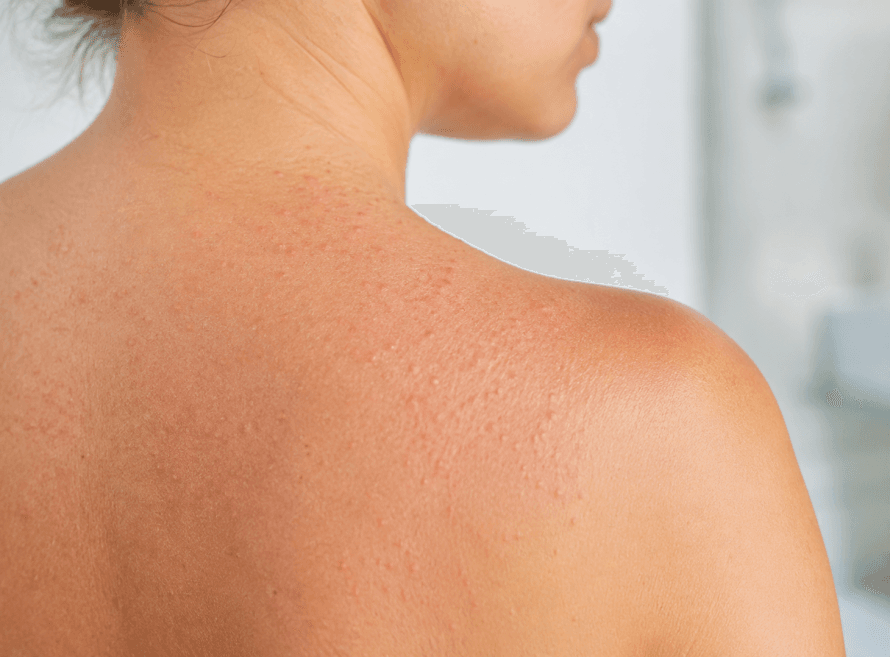
Image generated by AI
Blocked sweat glands trigger the symptoms
The human body has millions of sweat glands that help regulate body temperature through evaporative cooling. However, if the fine excretory ducts of the sweat glands can no longer adequately drain the sweat, the fluid accumulates under the skin, resulting in small blisters or nodules that can cause varying degrees of itching or burning, depending on the type of heat rash. Areas of the skin where heat and moisture build up are particularly affected.
High temperatures increase the risk
Among the most common triggers are:
- high outdoor temperatures
- high humidity
- intense physical activity
- tight clothing
- fabrics that don’t breathe well
- prolonged bed rest with heavy sweating
- Fever
Babies develop heat rash more quickly because their sweat glands are not yet fully developed.
Small blisters are typical
Symptoms usually appear suddenly and often affect areas of the body where sweat accumulates particularly easily. Skin changes are most commonly seen on the neck, chest, back, in the armpits, or in skin folds.
Typical symptoms include:
- small red blisters
- fine nodules
- Itching
- a burning sensation on the skin
- reddened skin
- Mild stinging
- Sensation of warmth
Not every rash is caused by sweat
Reddened skin or itchy blisters can have many causes. Allergies, atopic dermatitis, fungal infections, or bacterial skin infections may also be potential triggers. If the symptoms persist for a long time, spread, or are accompanied by a fever or severe pain, the skin should be examined by a doctor to rule out other conditions.
How the Diagnosis Is Made
In most cases, the typical appearance of the skin and a description of the symptoms are sufficient. The doctor pays particular attention to the location of the rash and asks about exposure to heat, heavy sweating, or physical exertion. Further tests are usually not necessary. Additional tests may be warranted only if another skin condition is suspected.
What treatment helps
The most important measure is to keep the skin as cool and dry as possible. This allows the blocked sweat glands to open up again. Light, breathable clothing helps sweat evaporate. Cool showers or damp compresses can relieve the itching. For more severe symptoms, anti-itch lotions or, in certain cases, cortisone-based creams may be used. Scratching should be avoided as much as possible, as it can cause small skin abrasions through which pathogens can more easily enter the body.
How to Prevent Heat Rash
Especially on hot summer days, simple measures can significantly reduce the risk.
These include:
- wearing loose-fitting clothing made of breathable fabrics
- avoiding direct heat as much as possible
- regularly seeking out cool rooms
- drinking plenty of fluids
- changing out of sweaty clothes
- Keep your skin dry
For infants, it’s also essential to make sure they aren’t dressed too warmly.
Conclusion: The skin needs to be kept sufficiently cool in the summer.
Although heat rash is usually harmless, it can cause severe itching and uncomfortable skin irritation. By avoiding heat as much as possible, wearing breathable clothing, and keeping the skin dry, you can often quickly relieve symptoms or effectively prevent them from recurring.
Share this article




News
Read next
- News
Enlarged Prostate – When Medication Is Sufficient and When Surgery Is Recommended
Oct 21, 2026
Why Many Men Ignore Urinary Problems for Too Long
Read more - News
Daraxonrasib as a treatment for metastatic pancreatic cancer
Oct 21, 2026
Daraxonrasib: Survival time almost doubled in the study
Read more - News
Fall prevention in older people: what exercises can achieve
Oct 21, 2026
Fall prevention in older people: what the Cochrane review shows
Read more