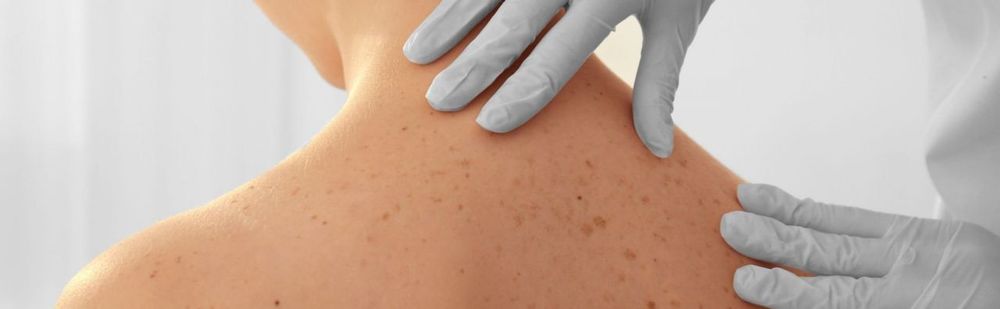
The skin is the largest organ in the human body. It protects against environmental factors such as cold, heat, and sunlight. It also regulates body temperature and fluid balance. In addition, the skin serves as a sensory organ for touch, temperature, and pain.
The skin’s functions can be disrupted by many diseases. Specialists in skin and sexually transmitted diseases (dermatologists) diagnose and treat skin conditions.
Here you will find a selection of skin specialists and dermatologists.
Common Skin Conditions
Skin diseases—also known in medicine as dermatoses—are conditions and pathological changes affecting the skin and its appendages. Diseases of the skin and its appendages often manifest as visible changes to the skin. Typical symptoms of skin diseases include:
- Scaling
- Redness
- Itching
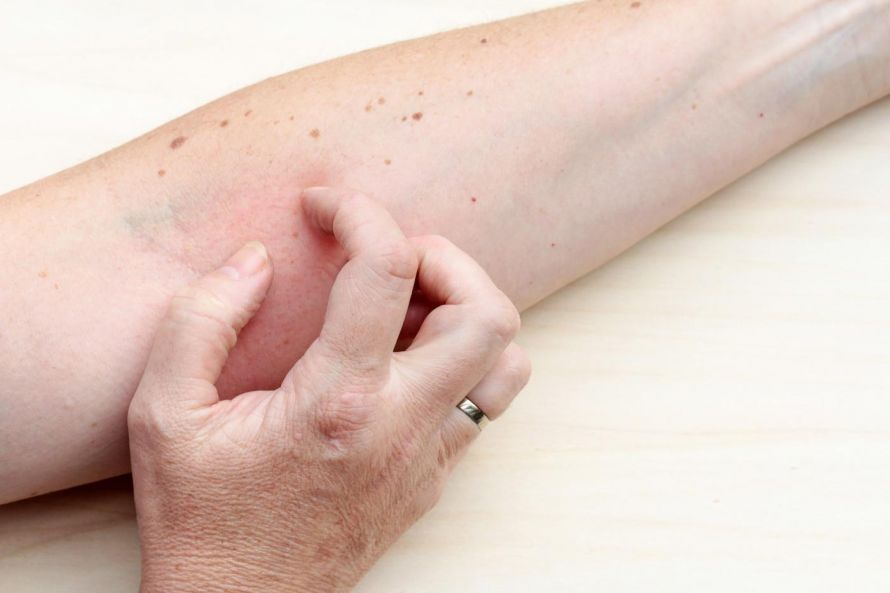
Among the most common and well-known skin diseases are
- Psoriasis
- Atopic dermatitis
- Allergic reactions
- Acne
- Warts
- Fungal infections
In addition, dermatologists diagnose and treat sexually transmitted diseases such as HIV and syphilis, as well as benign and malignant skin tumors such as malignant melanoma (black skin cancer).
Dermatologists—Specialists in Skin and Sexually Transmitted Diseases
A dermatologist, also officially known as a specialist in skin and sexually transmitted diseases, is a specialist in diseases of the skin and its appendages. In simpler terms, a dermatologist is also referred to as a skin doctor or skin specialist.
Their main areas of practice include, among other things, the treatment and prevention of skin cancer. In addition, dermatologists diagnose and treat infectious or allergy-related conditions of the skin, hair (pili), nails (ungues), and skin glands (glandulae).
Furthermore, the treatment of sexually transmitted diseases (STDs) is also part of a dermatologist’s scope of practice. This branch of dermatology is also known as venereology.
Treatment of Skin Conditions – What Treatment Options Are Available?
In dermatology, a distinction is made between conservative treatment methods and surgical methods. The former are primarily used for classic skin diseases, known as dermatoses. Dermatologists, on the other hand, use surgical methods to treat certain skin warts or skin cancer.
For the treatment of many skin conditions such as
- dermatoses,
- psoriasis, or
- atopic dermatitis
, dermatologists primarily use
- light therapies (UV therapy, laser),
- topical medications (ointments, creams), and
- systemic medications (tablets).
In the field of surgical dermatology, procedures such as surgery, laser treatments, and cryotherapy (cold therapy) are used. Surgery is typically performed for scar correction and in dermato-oncology, i.e., for skin cancers.
Acne treatment is also a major focus; depending on the severity, it can be treated topically or systemically.
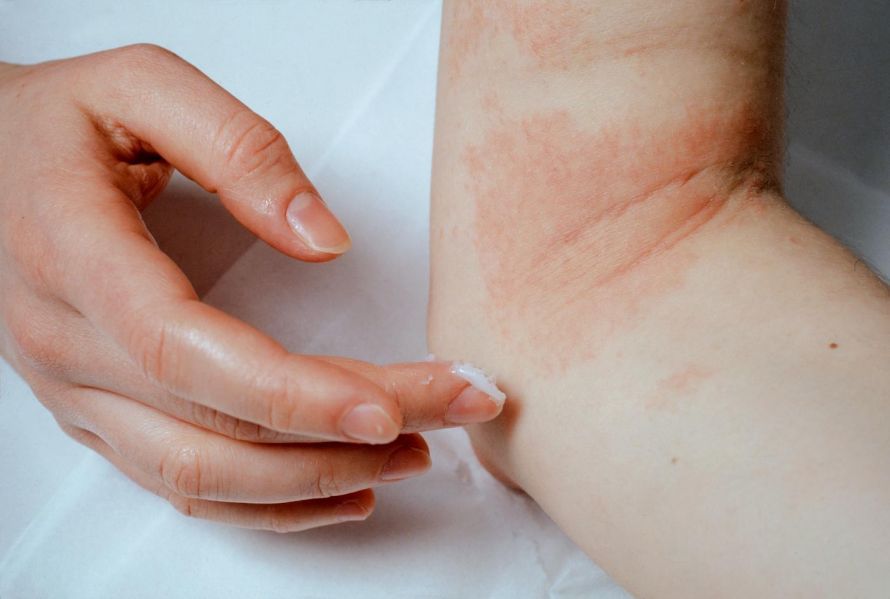
Ointments are frequently used to treat skin conditions
Training of Dermatologists—The Path to Becoming a Skin Specialist
After earning a medical degree and obtaining a license to practice medicine (medical license), physicians begin their specialty training. Training to become a board-certified dermatologist takes approximately five years.
Half of this training period must be completed by prospective dermatologists in outpatient settings. Key topics in dermatology residency training include the early diagnosis and treatment of skin and sexually transmitted diseases,
In addition, allergies and skin cancers also play a major role in dermatology today.
After completing their specialty training and passing the exam, these young physicians are authorized to use the title “Board-Certified Dermatologist.”
Finding the Best Dermatologist
The title “best dermatologist” cannot be officially awarded. There are many outstanding dermatologists with different areas of specialization. Leading Medicine Guide selects skin specialists based on strict criteria. With us, you’ll find the right doctor.

About the medical author
Prof. Lars E. French
Clinical Director