The skin is our largest organ and a reflection of our soul. The average surface area of an adult’s skin is approximately 1.8 m². Our skin is an important sensory organ; it protects us from pathogens and regulates our body temperature.
Skin conditions are correspondingly diverse. If your skin is causing you discomfort, you should see a doctor to determine the cause. Here you’ll find further information as well as a selection of obesity specialists and centers.
Recognizing Skin Conditions
Skin conditions (dermatoses) present with many different symptoms. Depending on the cause, the first signs of a skin condition may appear at a very early stage. These signs are referred to as primary efflorescence. They allow you to make an initial assessment of what type of dermatosis may be present.
A visit to the doctor is essential when symptoms appear for the first time, as the cause must be determined initially.
Acne
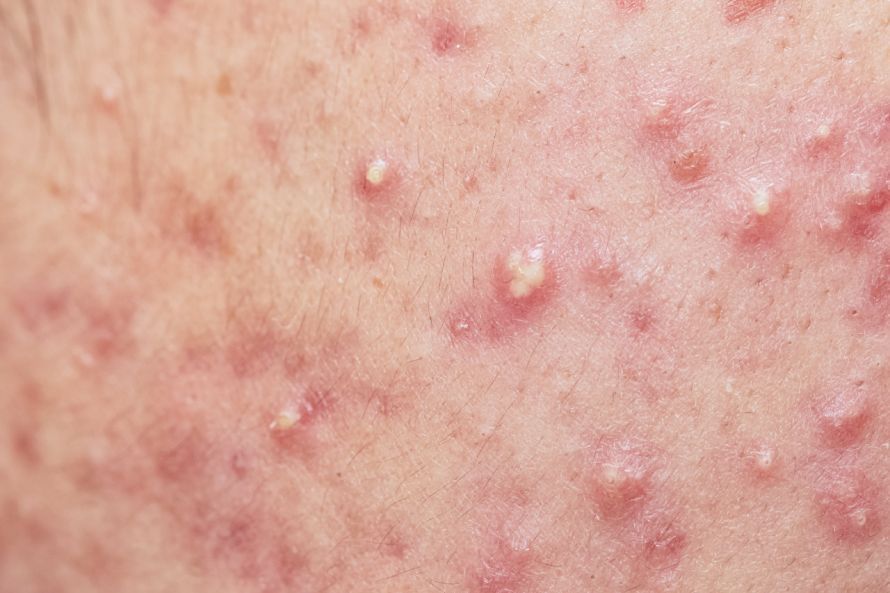
Acne vulgaris is an inflammation of the skin appendages (hair follicles and sebaceous glands). Acne causes
- increased activity of the sebaceous glands in the skin,
- severe blockage of the pores, and
- the proliferation of acne-causing bacteria.
This combination leads to severely damaged skin with numerous blackheads (comedones) and painful, inflamed bumps that heal with scarring.
Treatment is carried out at home in the form of intensive skin care using pH-neutral cleansing lotions. In severe cases, medication therapy with
- benzoyl peroxide,
- vitamin A,
- antibiotics, and
- hormonal preparations
may be appropriate.
Atopic dermatitis
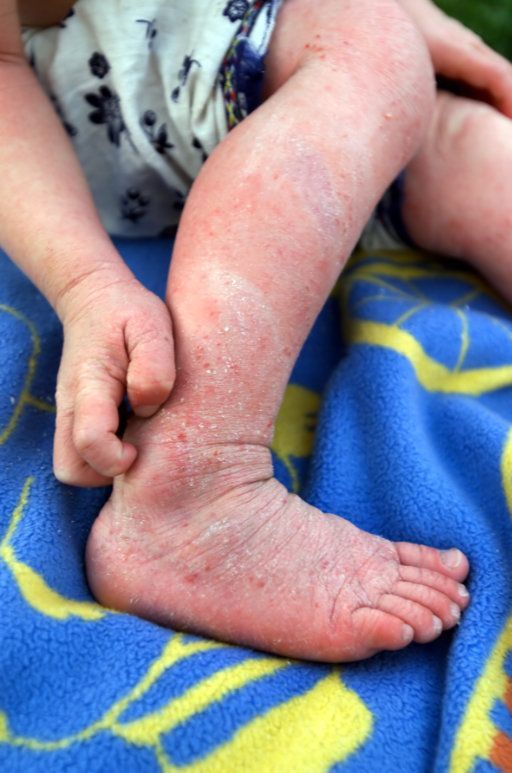
Atopic dermatitis is a chronic or chronically recurring (recurrent) inflammatory skin condition. It manifests as
- redness,
- mucus, and
- scaly patches on the skin, accompanied by excruciating itching.
If you have neurodermatitis, you should consult a dermatologist who specializes in these skin conditions. The primary focus of treatment is consistent and proper skin care. Skincare products containing urea and glycerin support the skin’s natural barrier.
At the same time, it is also important to avoid trigger factors. Prescription corticosteroids and immunosuppressants are also used for treatment.
Herpes
This skin condition manifests as typical, painful, fluid-filled blisters around the mouth. Usually, only one lip is affected, but herpes can also spread to the skin around the mouth or nose.
When the affected side of the face moves, the blisters can burst and their contents can leak out.
The formation of blisters may be
- be accompanied by itching,
- pain, and
- a tingling sensation on the skin
. Herpes is caused by the herpes simplex virus. Viruses from the same family cause genital herpes.
Warts
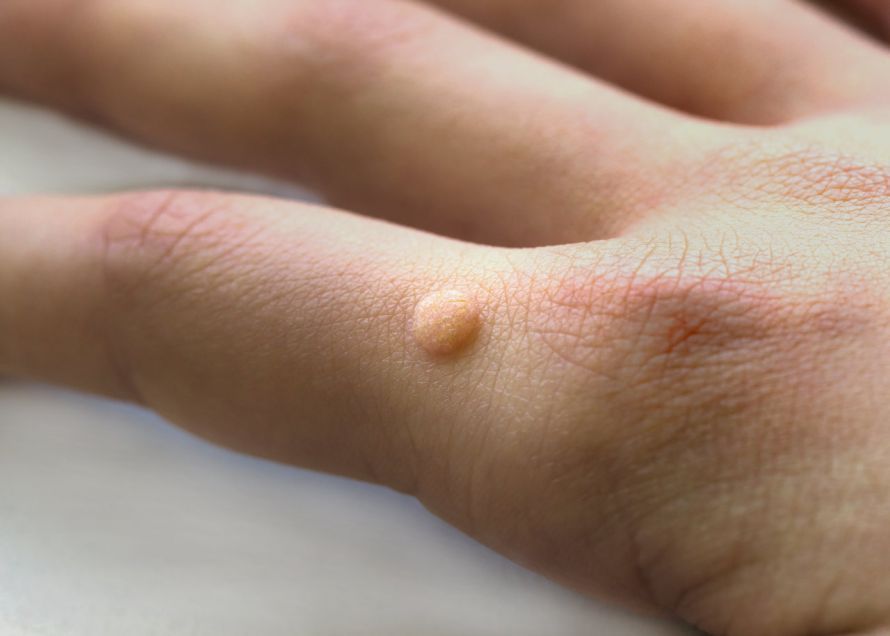
Warts are benign growths on the skin that can develop following infection with the human papillomavirus. A distinction is made between
- genital warts,
- flat warts,
- common warts (genital warts), and
- plantar warts.
Stalked warts, ice warts, and age warts do not belong to the group of true warts.
Warts vary in appearance: They often appear as small, sharply defined bumps on the skin that can be smooth or rough, pointed or rounded. Furthermore, they can be painful or painless.
Warts frequently develop on areas of the skin exposed to intense sunlight, such as the hands. Plantar warts, on the other hand, occur only on the feet.
Psoriasis
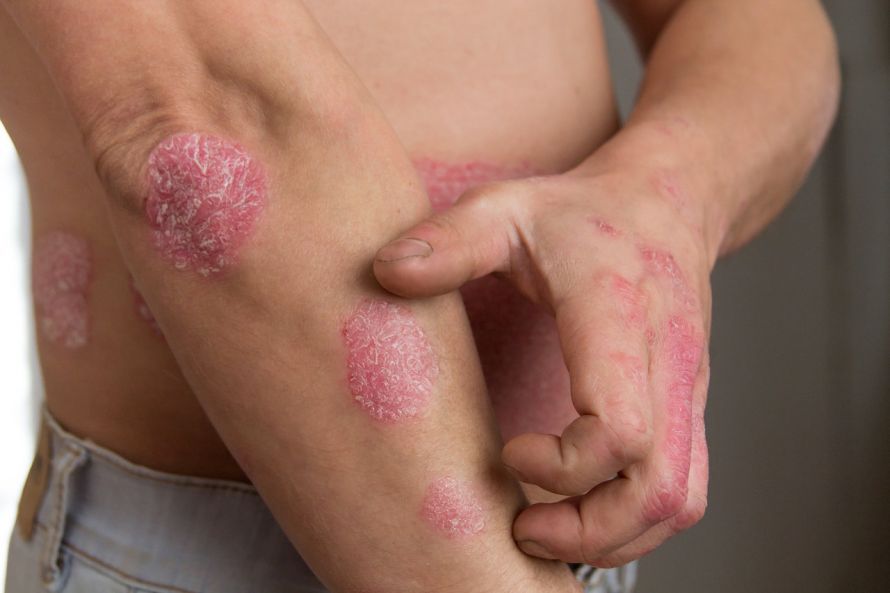
Psoriasis is a benign skin condition. Psoriasis is often limited to isolated lesions, particularly on the elbows and knees. However, psoriasis can also spread to the entire body. Nails, joints, and mucous membranes are less commonly affected.
Psoriasis can occur at any age. Approximately 2 million people in Germany suffer from psoriasis. Men and women are affected equally.
Psoriasis is most likely an autoimmune reaction. The body’s own immune system attacks the cells of the epidermis, causing them to multiply rapidly. The skin of patients with psoriasis thickens and flakes.
Most patients have psoriasis vulgaris. The most common form of this condition is Type I. It typically appears at a young age and is severe. Type II develops between the ages of 35 and 60 and is usually milder.
To treat psoriasis, the doctor develops a personalized treatment plan. A wide variety of medications and treatment options are available for this purpose.
Skin Cancer
Skin cancer is one of the most common types of cancer. Excessive UV radiation is a major risk factor. Sunburns during childhood increase the risk of skin cancer.
The most common type of skin cancer is white skin cancer. This cancer occurs in two forms: basal cell carcinoma, also known as spiny cell carcinoma or spinous cell carcinoma. White skin cancer occurs primarily in areas of the skin that are particularly exposed to the sun. The face is especially at risk
- the face,
- shoulders,
- back,
- the décolletage, and
- the tops of the feet.
Basal cell carcinoma forms a whitish-reddish pustule that often sinks in the center and looks like a small crater. Squamous cell carcinomas begin as a reddened, lumpy area on the skin known as keratosis. This then leads to increased keratinization, which eventually develops into cancer.
Melanoma, medically known as melanoma, is less common but also more aggressive. In most cases, melanoma appears as a changing mole.
Melanomas can occur anywhere on the body, even in areas protected from the sun. Melanoma can also develop in the genital area or on the soles of the feet. Unlike basal cell carcinoma, melanoma can also metastasize.
Surgery to remove the tumor is the preferred treatment for all forms of skin cancer. For melanoma, radiation therapy and chemotherapy may also follow.
Shingles
Anyone with shingles has been infected with the varicella-zoster virus. The initial infection usually occurred many years ago and manifested as chickenpox. After recovery, the virus remains in the body for life. The virus settles in the cranial nerves and nerve roots of the spinal cord.
If the immune system is weakened, the viruses begin to multiply again. The virus then travels up the nerve to the skin, where it causes shingles, also known as herpes zoster.
People with shingles are often between 60 and 70 years old, but in some cases, shingles can develop in children and adolescents.
Symptoms of herpes zoster include
- fatigue,
- mild fever, and
- a burning sensation near the affected nerve.
A shingles rash appears as reddened skin with swollen, pinhead-sized blisters.
After a week, the blisters slowly dry out and turn into dry scabs, which fall off after about two to three weeks.
Shingles symptoms can occur anywhere on an infected person’s body, depending on which nerve is affected by the shingles.
Share this article