News
Spring Hay Fever – When Pollen Irritates Your Nose

Melanie Al Tikriti, BSc ·
Spring means a profusion of blossoms—and for many, sneezing, itchy eyes, and a runny nose
For many people, spring is the most beautiful season. Sunshine, warmth, and blooming landscapes draw us outdoors. But for people with hay fever, the season begins with sneezing, watery eyes, a runny nose, and a scratchy throat—symptoms that can make everyday life much more difficult.
Hay fever, also known as allergic rhinitis, is one of the most common allergies worldwide. About one in five adults in Europe is affected. The cause is an overreaction of the immune system: Pollen from trees, grasses, or herbs is mistakenly classified as a threat and triggers a strong defensive reaction. 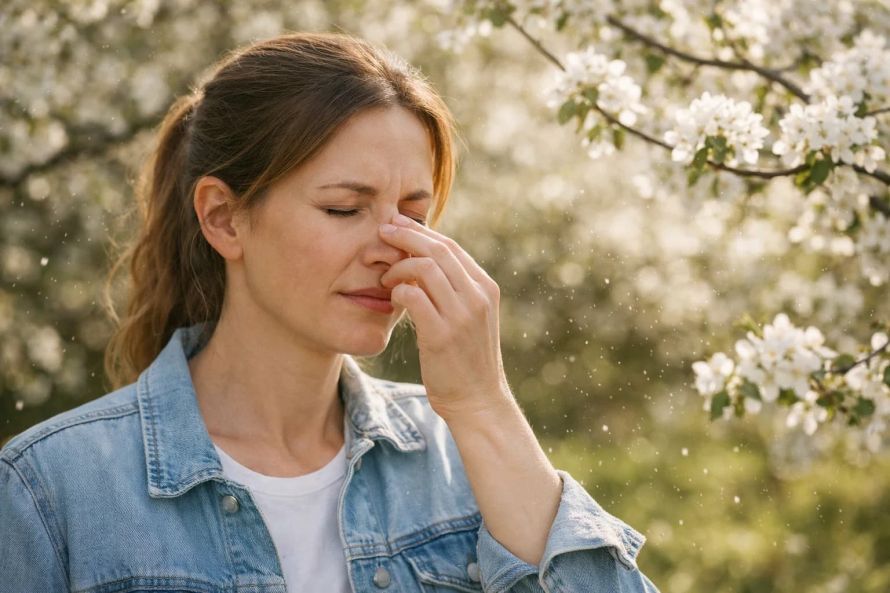
What Happens in the Body During Hay Fever
When the body comes into contact with pollen, it produces IgE antibodies. Upon subsequent contact, these antibodies activate immune cells that release histamine and other signaling substances. Histamine causes the mucous membranes to swell, blood vessels to dilate, and mucus production to increase. The allergic reaction can also affect the bronchi and lead to coughing, shortness of breath, or a tight feeling in the chest.
The severity of the reactions varies from person to person. Some notice symptoms immediately when outdoors, while others only experience them after prolonged exposure. People with a family history of allergies or existing asthma are particularly susceptible. Prolonged exposure can also impair sleep quality, reduce daily functioning, and lead to fatigue or difficulty concentrating.
Typical Symptoms During Pollen Season
Hay fever manifests itself through a variety of symptoms:
- Frequent sneezing and a runny or stuffy nose
- Itchy, red eyes, which may also be watery
- A scratchy throat or mild difficulty breathing
- A feeling of pressure in the head and fatigue
- Difficulty concentrating and general malaise
- Irritability and reduced resilience
- Sleep disturbances caused by nighttime sneezing or difficulty breathing
Symptoms often worsen on warm, dry, and windy days. They usually subside somewhat after rain or at night. For many people affected, pollen season brings noticeable exhaustion because the body is constantly fighting the allergic reaction. Daily social life can also be disrupted, as the symptoms interfere with work, school, or outdoor activities.
Common Pollen in Spring
In spring, pollen from trees such as hazel, alder, birch, and ash are the main triggers. Birch pollen, in particular, is considered a strong allergen. Additionally, grass pollen can exacerbate symptoms in the later spring months. Pollen concentrations are particularly high on dry, windy days, which often leads to more intense symptoms.
The time of day also plays a role: Pollen levels are usually higher in the morning and lower in the evening. Factors such as air pollution, ozone levels, and dry air intensify the irritating effect on the mucous membranes.
Why Hay Fever Is Becoming More Common
The causes of the worldwide rise in the number of people with allergies include:
Air pollution: Pollen becomes more aggressive
Longer pollen seasons due to milder temperatures: Sufferers are exposed for longer periods.
Genetic predisposition and family history of allergies
Modern lifestyle: Children often grow up in very clean environments and have less contact with microorganisms, making the immune system more sensitive to harmless substances.
Changes in diet and environmental factors that affect the immune system
Diagnosis
If symptoms occur at the same time every year, this strongly suggests hay fever. A medical evaluation is recommended. Common methods include skin tests or blood tests to detect specific antibodies. An allergy diary can also help to precisely identify the triggering pollens. The more accurate the diagnosis, the more precisely treatment can be planned to alleviate symptoms in the long term and prevent secondary conditions such as allergic asthma.
Treatment Options
Hay fever can be well managed today. The goal is to reduce allergic reactions over the long term and prevent asthma.
Antihistamines—block histamine and relieve sneezing, itching, and a runny nose.
Cortisone-containing nasal sprays—have anti-inflammatory and decongestant effects.
Eye drops—soothe irritated eyes and reduce tearing.
Nasal rinses
Desensitization—gradual exposure to the allergen over a period of several months to years.
Everyday measures
- Change clothes after spending time outdoors.
- Wash your hair before going to bed to remove pollen.
- Keep windows closed when pollen counts are high.
- Check pollen forecasts and plan outdoor activities accordingly.
- Ventilate indoor spaces regularly, preferably in the early morning or after it rains.
- Air purifiers can reduce indoor pollen levels.
When to Seek Medical Evaluation
Severe symptoms, breathing difficulties, or suspected allergic asthma should always be evaluated by a doctor. Early treatment can improve the course of the condition, prevent complications, and significantly improve quality of life. Children and older adults also benefit from an accurate diagnosis, as they are particularly sensitive to pollen.
Conclusion: Relieving Hay Fever with Preventive Measures
Hay fever can make spring days much more difficult.
However, with the right diagnosis, appropriate medications, immunotherapy, and simple everyday tips, symptoms can be well managed. Those who know their triggers and act promptly can enjoy the season more relaxed, improve sleep quality, and maintain their performance in daily life. Awareness, timely treatment, and preventive measures are the key to getting through the pollen season comfortably.
Share this article
Verified expertise
Recommended specialists
3 specialists
3 results

Dr. med. Jan Hagemann
Wiesbaden



Prof. Dr. med. Christoph Bergmann
Dusseldorf
News
Read next
- News
Heat Rash: What's Behind the Itchy Blisters
Oct 23, 2026
Heat Rash: Heat and Sweat Can Disrupt the Skin's Balance
Read more - News
Enlarged Prostate – When Medication Is Sufficient and When Surgery Is Recommended
Oct 21, 2026
Why Many Men Ignore Urinary Problems for Too Long
Read more - News
Daraxonrasib as a treatment for metastatic pancreatic cancer
Oct 21, 2026
Daraxonrasib: Survival time almost doubled in the study
Read more