News
High Blood Pressure: The Silent Threat to the Heart and Blood Vessels

Melanie Al Tikriti, BSc ·
Why High Blood Pressure Often Goes Unnoticed for a Long Time
High blood pressure is one of the most common health problems worldwide. Millions of people live with it without even knowing it. That is precisely what makes this condition so dangerous. While other diseases quickly cause symptoms, high blood pressure usually develops slowly and initially without any clear warning signs. That is why it is often referred to as the “silent killer.”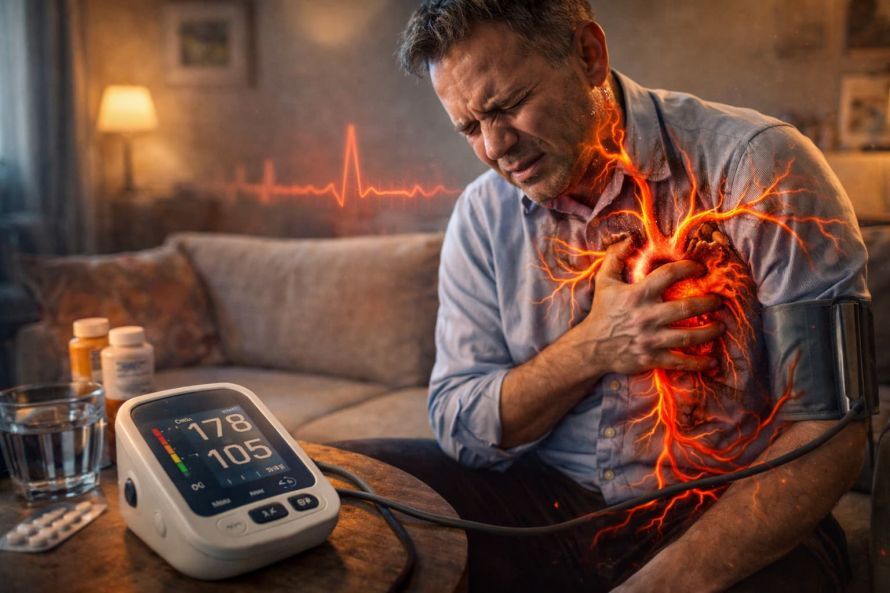
Blood pressure describes the force with which blood presses against the walls of blood vessels. If this pressure remains elevated over time, it places a heavy strain on blood vessels, the heart, and other organs. In the long term, this can have serious consequences, such as a heart attack, stroke, or kidney damage.
Many people only find out that their blood pressure is too high during a routine checkup at the doctor’s office. Yet high blood pressure can often be treated quite effectively—especially if it is detected early.
What Happens in the Body with High Blood Pressure
The heart pumps several thousand liters of blood through the body every day. To ensure that all organs receive an adequate supply of oxygen and nutrients, blood pressure must remain within a certain range.
However, if the pressure remains too high over time, the blood vessels are under stress. Over time, the vessel walls become stiffer and less elastic. At the same time, the heart has to work harder to pump blood through the body. This constant strain can lead to thickening of the heart muscle.
But other organs also suffer from high blood pressure. The heart, brain, kidneys, and eyes are particularly affected. In the long term, high blood pressure can therefore lead to serious complications if left untreated.
Typical Symptoms of High Blood Pressure
Many people with high blood pressure do not experience any symptoms for a long time. This is precisely why the condition often goes undetected. In some cases, however, symptoms may occur. Possible signs include:
- Headaches, especially in the morning
- Dizziness or lightheadedness
- Heart palpitations or a racing heart
- Nervousness or restlessness
- Shortness of breath during physical activity
- Sleep disturbances
- Vision problems
However, these symptoms are nonspecific and may also have other causes. That is why it is important to check your blood pressure regularly, especially starting around age 40 or if you have a family history of high blood pressure.
Causes and Risk Factors
High blood pressure rarely results from a single cause. In most cases, several factors interact. In addition to genetic predisposition, lifestyle and environmental factors play a major role.
The most important risk factors include:
- Being overweight
- Lack of physical activity
- A high-sodium diet
- Excessive alcohol consumption
- Smoking
- Chronic stress
- Diabetes or lipid metabolism disorders
Age also affects blood pressure, as blood vessels lose elasticity with age, which can cause pressure in the vascular system to rise.
Measuring Blood Pressure Correctly
High blood pressure is diagnosed through repeated blood pressure measurements. A single elevated reading does not automatically indicate a medical condition. What matters is taking multiple measurements at different times.
A reading of approximately 120 over 80 millimeters of mercury is considered normal blood pressure. Readings of 140 over 90 or higher are considered elevated and should be evaluated by a doctor.
Doctors often recommend a 24-hour ambulatory blood pressure monitoring test. During this test, the patient wears a small device that automatically checks blood pressure at regular intervals. This provides a realistic picture of blood pressure levels throughout the day.
Treatment Options for High Blood Pressure
The good news is that high blood pressure can often be managed very effectively. A combination of medical treatment and lifestyle changes is key.
The most important measures include:
- Weight loss
- Regular exercise
- a healthy, low-sodium diet
- Stress reduction and adequate sleep
If these measures alone are not sufficient, blood pressure-lowering medications can be used. There are various classes of active ingredients that are tailored to the individual. It is important to take the medications regularly and attend follow-up appointments with your doctor.
Why Early Treatment Is So Important
Untreated high blood pressure can cause serious damage over the course of years. Potential complications such as heart attack or stroke are particularly dangerous. Kidney failure or vascular damage in the brain can also occur.
The earlier high blood pressure is detected, the better such complications can be prevented. Regular checkups therefore play a crucial role.
Many people underestimate the condition because they feel healthy at first. But even without symptoms, the body is under a great deal of strain. That’s why it’s important to stay vigilant and keep an eye on your blood pressure.
Conclusion: Detect high blood pressure early and avoid risks
High blood pressure often goes unnoticed for a long time. By regularly monitoring your blood pressure, living a healthy lifestyle, and seeking medical help when needed, you can effectively manage the condition and significantly reduce your risk of cardiovascular disease.
Share this article
Verified expertise
Recommended specialists
14 specialists
14 results


Dr. med. Dipl. oec. med., FESC Michael Lichtenberg
Chief Physician










Professor Frank Breuckmann
Kitzingen




1 / 2
News
Read next
- News
Scabies: A contagious skin disease that is easily treatable
Oct 26, 2026
Severe itching and minor skin changes should be taken seriously
Read more - News
Heat Rash: What's Behind the Itchy Blisters
Oct 23, 2026
Heat Rash: Heat and Sweat Can Disrupt the Skin's Balance
Read more - News
Enlarged Prostate – When Medication Is Sufficient and When Surgery Is Recommended
Oct 21, 2026
Why Many Men Ignore Urinary Problems for Too Long
Read more