News
Winter Depression: When the Dark Season Affects Your Mood

Melanie Al Tikriti, BSc ·
Why We Often Feel Tired and Down in the Winter—and What Can Help
The cold, dark season is a challenge for many people. Suddenly, we feel tired, listless, and sad, without any specific reason.
These symptoms can be signs of winter depression, medically known as seasonal affective disorder (SAD).
What is winter depression, and how can you recognize it?
This form of depression typically occurs in the fall or winter and subsides in the spring or summer.
Typical symptoms of winter depression:
- Fatigue and lethargy in daily life
- Persistent low mood or sadness
- Irritability or quick frustration
- Reduced motivation for daily tasks
- Increased need for sleep
- Cravings for carbohydrates and weight gain
Anyone who experiences several of these symptoms over the course of several weeks should seek medical advice.
Causes – Why Does Winter Depression Occur?
In winter, the days are shorter, which means there is less sunlight. This has been shown to affect and disrupt our circadian rhythm, melatonin production, and serotonin levels—all of which are crucial for our mood.
This leads to a hormonal imbalance, which can exacerbate fatigue and depressive moods. People with a family history of depression are particularly susceptible to seasonal mood swings.
Why Women Are More Often Affected by Winter Depression
Studies show that women suffer from winter depression significantly more often than men. Hormonal fluctuations—such as those related to the menstrual cycle, pregnancy, or menopause—can increase susceptibility to depressive moods.
In addition, women tend to internalize emotional stress and put more pressure on themselves.
Therefore, it’s important to remember: Winter depression is not a matter of resilience, but a serious condition that can affect anyone—regardless of gender or life circumstances.
Tips for Alleviating Winter Depression
Use light therapy to specifically improve your mood
A simple but effective method is light therapy. Just 20–30 minutes every morning is often enough to specifically improve your mood.
Daylight lamps with 10,000 lux can help regulate your circadian rhythm. This inhibits melatonin production and promotes the release of serotonin.
Outdoor exercise to combat winter fatigue
Regular walks or exercise outdoors in daylight also promote serotonin production and help combat fatigue and listlessness.
A healthy diet stabilizes your mood
A balanced diet rich in vitamin D, omega-3 fatty acids, and fresh vegetables supports both mood and overall well-being.
Psychotherapy: Recognizing and Changing Negative Thought Patterns
Talking with a psychologist or undergoing behavioral therapy can help you recognize negative thought patterns and develop strategies to actively manage winter depression.
When should you seek professional help for winter depression?
Not every winter blues episode is necessarily depression. However, if feelings of low mood, lack of motivation, or inner emptiness intensify over several weeks and significantly interfere with daily life, it’s important to seek professional support.
You should also take these warning signs seriously if you experience increasing sleep problems, social withdrawal, or a feeling of hopelessness.
Primary care physicians are often the first point of contact and can refer patients to specialized clinics or therapists if necessary.
Small changes in daily life can have a big impact
Especially in winter, small, intentional rituals can help stabilize your mood. A regular daily routine, consistent sleep schedules, and small activities to look forward to provide stability in daily life.
Social interactions, even when motivation is lacking, also have a positive effect on mental well-being.
Setting small, achievable goals for yourself—without putting additional pressure on yourself—creates important counterbalances to the winter blues.
Conclusion: Take Active Steps Against Winter Depression
Winter depression should be taken seriously, but it is treatable. Those who recognize the symptoms and take targeted action—through light, exercise, a healthy diet, and professional support—can cope much better with the dark season.
Share this article
About the medical author
Melanie Al Tikriti, BSc
Editor
Melanie Al-Tikriti, BSc – author: Explore expert medical articles in the Leading Medicine Guide.
More about the medical author →Verified expertise
Recommended specialists
1 specialists
1 results


News
Read next
- News
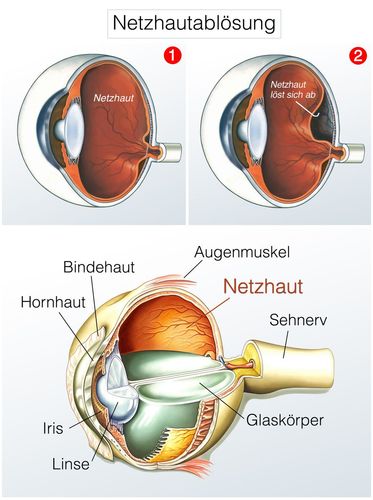
Retinal Detachment: Flashes of Light Can Jeopardize Vision
Oct 5, 2026
Retinal Detachment: Quick Action Can Save Your Eyesight
Read more - News
Thrush: How to Correctly Identify White Coatings in the Mouth
Oct 2, 2026
Oral thrush: A fungal infection is often the cause of these changes
Read more - News
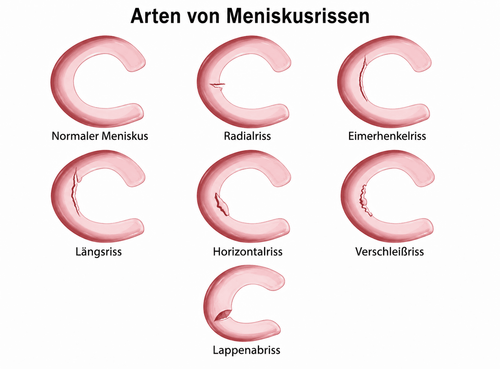
When Your Knee Locks Up—Could It Be a Meniscus Tear?
Sep 30, 2026
Why a Meniscus Tear Isn't Always Detected Right Away
Read more