News
Tooth Decay: A Common Dental Disease Caused by Bacterial Damage to the Enamel

Melanie Al Tikriti, BSc ·
How Diet, Oral Microflora, and Dental Care Affect Dental Health
Tooth decay affects nearly everyone on Earth, regardless of age. Bacteria in the mouth gradually break down the hard tissue of the teeth. Without timely treatment, the damage penetrates deep into the tooth through the protective enamel, triggering painful inflammation and ultimately destroying the tooth.
Most people associate this condition with dark holes. In reality, however, bacteria, daily diet, saliva flow, and brushing habits are all closely intertwined. Dentists therefore no longer treat tooth decay as mere damage to a single spot, but rather as an imbalance in the entire oral flora. The danger lies primarily in the hidden progression of the early stages. First, tiny, often chalky spots appear on the enamel, which remain completely painless. Only when the decay reaches deeper layers of the tooth
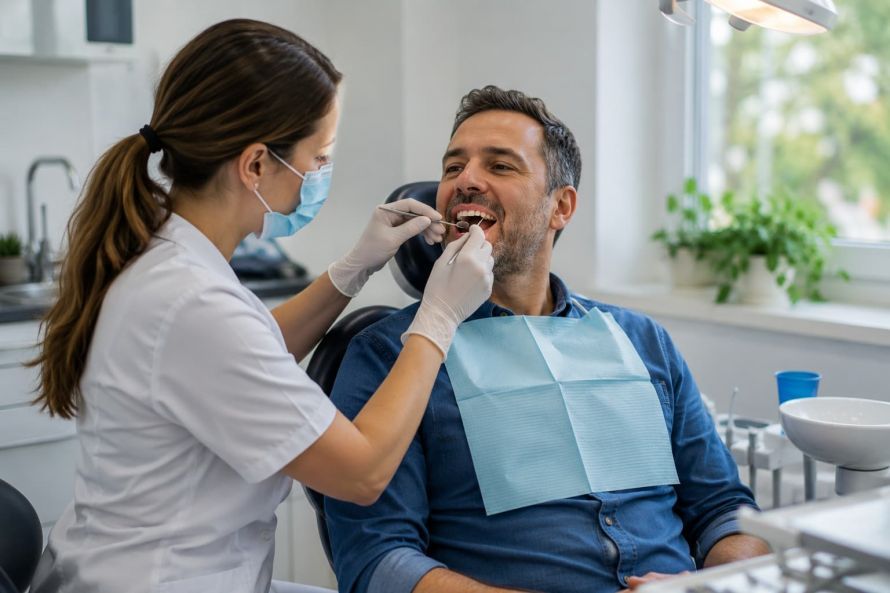
How Tooth Decay Develops and the Role of Bacteria
The oral cavity naturally contains numerous bacteria that, together with saliva and food particles, form what is known as a biofilm on the teeth. This biofilm is commonly referred to as dental plaque.
Certain bacteria break down sugar from food and produce acids in the process. It is precisely these acids that attack the tooth enamel and leach minerals from it. Without compensation through saliva flow or tooth brushing, holes eventually form in the tooth surface over time.
The following are particularly likely to cause tooth decay:
- sugary foods
- sweet drinks
- frequent snacking
- poor oral hygiene
- dry mouth
What matters most is not just the amount of sugar, but above all the frequency. If teeth are repeatedly exposed to acids, the enamel doesn’t have enough time to regenerate. Saliva also plays an important role. It neutralizes acids and supports the remineralization of tooth enamel. People with reduced saliva flow are therefore often at increased risk for tooth decay.
Recent studies confirm the significant influence of the oral microbiome on dental health. If this bacterial balance is disrupted, it further promotes the development of tooth decay.
Symptoms That May Occur
Early stages usually cause no pain. Often, only small whitish changes or rough spots on the enamel are initially visible.
As the damage progresses, symptoms such as the following increasingly develop:
- Sensitivity to cold or sweet foods
- Toothache
- Visible dark spots
- Sensitivity to pressure
- Bad breath
If tooth decay penetrates deeper into the tooth, the dentin may be affected. Dentin is significantly more sensitive to external stimuli than the hard enamel. If left untreated, the inflammation can eventually reach the dental nerve. This can cause severe pain and inflammation in the area of the tooth root. In addition, bacteria can spread further and affect surrounding tissue. Severe inflammation in the mouth can sometimes also affect the entire body.
Modern Treatment and Prevention
Treatment depends on how far the tooth damage has already progressed. Changes detected early can sometimes still be stabilized before larger defects develop.
Key components of modern caries treatment include:
- Removal of damaged tooth structure
- Filling therapy
- Fluoride treatment
- Improvement of oral hygiene
- Regular checkups
Fluoride, in particular, plays an important role because it makes tooth enamel more resistant to acids. Modern dentistry also places great emphasis on prevention. The goal is to detect tooth decay as early as possible and reduce risk factors.
These include:
- Regular tooth brushing
- Use of fluoride toothpaste
- Cleaning between the teeth
- a diet low in sugar
- regular dental checkups
Professional dental cleanings can also help reduce bacterial plaque and clean hard-to-reach areas. For children, sealants on the molars are becoming increasingly important to better protect sensitive tooth surfaces.
Conclusion: Protecting Dental Health Through Early Prevention
Tooth decay is one of the most common dental diseases and results from a complex interplay of bacteria, diet, and oral hygiene. Modern research is increasingly showing just how strongly oral flora, saliva, and lifestyle influence dental health. This is precisely why modern dentistry today is increasingly focusing on early prevention, targeted preventive care, and the long-term protection of tooth structure through tooth preservation.
Share this article
Verified expertise
Recommended specialists
1 specialists
1 results

News
Read next
- News
Scabies: A contagious skin disease that is easily treatable
Oct 26, 2026
Severe itching and minor skin changes should be taken seriously
Read more - News
Heat Rash: What's Behind the Itchy Blisters
Oct 23, 2026
Heat Rash: Heat and Sweat Can Disrupt the Skin's Balance
Read more - News
Enlarged Prostate – When Medication Is Sufficient and When Surgery Is Recommended
Oct 21, 2026
Why Many Men Ignore Urinary Problems for Too Long
Read more