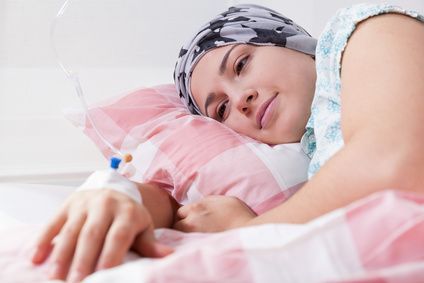
Oncological rehabilitation treats functional impairments of the body that occur after a cancer diagnosis or treatment. Psychological changes and distress caused by cancer are also part of oncological rehabilitation.
Here you will find all the important information about oncological rehabilitation and accredited oncological rehabilitation clinics.
Oncological rehabilitation involves the treatment of complications resulting from cancer.
It therefore does not include the treatment of cancer itself, but is provided only after the cancer has been brought under control.
Just like other rehabilitation services, you must apply for it separately and have it approved.
The primary focus of oncological rehabilitation is the treatment of functional impairments that arise after a cancer diagnosis or treatment.
Psychological changes and distress are also a key focus.
Psychological changes and distress are also a key focus.
Who is eligible for oncological rehabilitation?
Participation in oncological rehabilitation is only possible in certain cases.
The hospital or a specialist must submit the application. If the application is approved, it usually takes 21 days to process.
The program is then carried out at a specialized oncology rehabilitation clinic. However, eligibility for rehabilitation services is subject to certain requirements.
The basic requirement for eligibility is adequate insurance coverage. This requirement is met if the insured person has paid mandatory health insurance premiums for at least six calendar months during the two years prior to submitting the application.
To qualify, the insured person must have been engaged in insured employment or work. Eligibility also applies if, following completion of vocational training, you were self-employed or insured for two consecutive years.
Furthermore, people who receive a pension from the German Pension Insurance are also entitled to benefits under insurance law. Their spouses and children also have full insurance coverage. Finally, the insurance-law requirement is also met after a five-year waiting period.
In addition to one of these conditions, personal requirements must also be met.
Only individuals with a malignant tumor are eligible. A medical diagnosis of a precancerous condition or early-stage disease is not sufficient.
Furthermore, you must have completed surgery or radiation therapy. Rehabilitation is not possible while undergoing chemotherapy.
In addition, the therapy must demonstrably be capable of remedying occupational, psychological, social, or physical harm.
Furthermore, the primary goal of the rehabilitation measures must be to prevent permanent impairments.
The goal of vocational reintegration is generally not eligible for funding. Sufficient physical resilience to undergo follow-up treatment is also a prerequisite. This can be assessed by the patient’s primary care physician.
What distinguishes an oncology rehabilitation clinic?
An oncology rehabilitation clinic offers its patients a wide range of diagnostic and therapeutic measures.
Many facilities organize individual and group therapies consisting of a maximum of five participants. The comprehensive medical treatment effectively addresses all consequences of the cancer or, at the very least, significantly alleviates them.
In addition, many providers focus on individualized therapy tailored to the patient’s specific requirements and needs. The prescribed treatments are fully adapted to the patient’s specific conditions and therefore vary from patient to patient.
Furthermore, most facilities specialize in a specific field.
In addition to rehabilitation clinics for patients with lung cancer, there are also institutions that specialize in the follow-up care of breast cancer patients.
These often focus directly on improving mobility and lymphatic drainage.
In addition to individualized skin therapies, speech therapy is usually provided to help patients who have had their larynx removed with voice rehabilitation.
In addition, oncology rehabilitation clinics always place great emphasis on comprehensive physical therapy. In addition to exercise and relaxation training, patients usually receive in-depth nutritional counseling.

In addition, there are a variety of workshops on creative topics such as music, art, and dance. These help patients reintegrate into society. Through comprehensive social counseling, rehabilitation participants also receive support in finding employment.
Finally, in many places, psychological treatment is also a key focus of the clinic. Coping with the disease and undergoing therapy usually involves psycho-oncological interventions.
Only a few specialized therapists offer this specific form of therapy. However, it shows patients how to cope with the severe psychological stress caused by cancer. In this way, the development of depression and behavioral disorders can be prevented.
Where are these clinics located?
Oncological rehabilitation clinics can be found in nearly every location in Germany. In total, more than 900 clinics throughout the country specialize in post-cancer rehabilitation.
Patients cannot always choose their rehabilitation facility themselves. Once an application has been approved, the German Pension Insurance informs the patient about the duration, location, and type of rehabilitation. However, the clinics usually send the exact dates themselves.
The German Pension Insurance is often willing to take the patient’s wishes and suggestions into account.
The prerequisite is that the rehabilitation goal can be achieved at the desired facility with the same effectiveness and at the same cost.
The point of comparison is always the clinic that the pension insurance provider’s case worker has selected for the patient.
Who covers the costs of a hospital stay?
In Germany, medical rehabilitation benefits are primarily covered by health insurance plans and pension insurance providers.
This principle is set forth in Book IX of the Social Code. In the field of oncological rehabilitation, the German Pension Insurance (DRV) in particular serves as the primary payer. It covers a large portion of the associated costs for pensioners, employed individuals, and those with reduced earning capacity.
However, the German Pension Insurance requires that the patient have health insurance in Germany in order to cover the costs. Another prerequisite is that there is a medical necessity for oncological rehabilitation.
In addition, in some cases, the funding agencies also cover inpatient follow-up care. However, this must be provided as a consolidation measure.
This requirement is always met when the patient wishes to regain their ability to work. In all other situations, health insurance companies serve as the primary payers. Nevertheless, patients always pay 10 euros out of pocket per day of treatment.