Renal artery stenosis is a narrowing of the renal artery and is one of the leading causes of renovascular hypertension. The stenosis reduces the flow of oxygen-rich blood to the kidney, which can impair kidney function. Renal artery stenosis often develops as a result of atherosclerosis or what is known as fibromuscular dysplasia.
Typical symptoms include hypertension that is difficult to control, high blood pressure, or a decline in kidney function. Diagnosis is made using ultrasound, sonography, MRI, or angiography. If renal artery stenosis is suspected, specialists in nephrology and vascular surgery assess blood flow and check for possible narrowing of the renal arteries.
Treatment ranges from medication to interventional or surgical procedures using a balloon, PTA, or stent.
What are the functions of the kidneys?
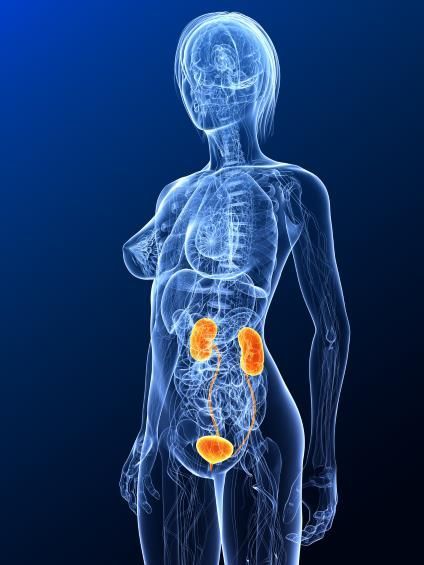
The kidneys are paired abdominal organs—there is one on each side. Normally, each kidney is supplied with oxygen-rich blood by a renal artery, the arteria renalis. This artery branches off from the aorta on both sides at the level of the first or second lumbar vertebra.
The kidneys are essential for filtering the blood and regulating blood pressure. If blood pressure drops for any reason, the kidneys counteract this through various mechanisms to raise blood pressure again. Only when blood pressure is sufficiently high can the kidneys properly perform their filtering function (cleansing the blood).
What is renal artery stenosis?
A renal artery stenosis refers to the narrowing of the renal artery. As a result, less blood—and thus less oxygen—reaches the affected kidney. In addition, the pressure downstream of the narrowing is lower, which effectively tricks the kidney into thinking that blood pressure has dropped throughout the entire body. As a result, the kidney attempts to raise blood pressure, which restores normal pressure within the kidneys but leads to elevated blood pressure (“high blood pressure” or arterial hypertension) throughout the body.
How common are renal artery stenoses?
Renal artery stenosis is widespread in industrialized countries. Nearly half of all people over the age of 75 are affected. According to estimates and studies, up to five percent of all cases of high blood pressure are caused by renal artery stenosis.
How does a renal artery stenosis develop?
If the stenosis develops after the age of 50, it is usually caused by atherosclerosis. This refers to the buildup of connective tissue, calcium, fat, and blood clots in the arterial blood vessels; it is also known as vascular calcification. These plaques cause the vessel wall to become stiffer and the vessel diameter to narrow, preventing blood from flowing properly.
There are various risk factors that can contribute to the development of atherosclerosis. These include:
- age
- being male
- a family history of the condition
- lack of physical activity
- Smoking and alcohol consumption
- Diabetes mellitus (diabetes)
- Elevated blood cholesterol levels
- High blood pressure
- Gout
- Overweight
In younger patients, renal artery stenosis develops primarily as a result of fibromuscular dysplasia (FMD). In this condition, the arterial wall thickens for reasons that are not yet fully understood. Renal artery stenosis can also result from vascular inflammations such as panarteritis nodosa or Takayasu’s arteritis.
What are the symptoms of renal artery stenosis?
The main symptom of renal artery stenosis is high blood pressure. Since this is caused by kidney disease, it is also referred to in medicine as renal hypertension. However, the kidney’s filtering function is also impaired by an upstream renal artery stenosis, which manifests in symptoms such as
- fatigue,
- exhaustion,
- decreased urine output, and
- fluid retention in the tissues (edema)
.
Why exactly does renal artery stenosis lead to high blood pressure?
Arterial hypertension resulting from renal artery stenosis is primarily mediated by the Goldblatt mechanism. Due to the stenosis, less blood reaches the kidney, resulting in lower blood pressure in the organ’s blood vessels. Special receptors in the kidney constantly measure the pressure in the renal arteries. If this pressure is too low, the kidney releases the hormone renin.
This activates the so-called renin-angiotensin-aldosterone system. This results in a gradual increase in arterial blood pressure as
- the blood vessels in the body constrict and
- more water and sodium chloride are reabsorbed by the kidneys.
Blood pressure in the body then rises, causing more blood to flow into the kidneys. As a result, the pressure in the renal vessels rises to a near-normal level due to the stenosis. However, the rest of the body’s blood vessels remain in a state of arterial hypertension.
High blood pressure, however, only develops once the blood vessel is more than 75 percent obstructed.
What symptoms result from high blood pressure?
High blood pressure can manifest through various symptoms such as
- headaches,
- dizziness,
- vision problems,
- nervousness,
- ringing in the ears,
- Shortness of breath,
- nosebleeds, and
- sleep disturbances
. Often, high blood pressure goes unnoticed or is barely noticed, which is the most dangerous aspect of this condition. Untreated high blood pressure can lead to permanent damage to all tissues and organs, such as the eyes, blood vessels, or the brain.
What happens when the renal artery is completely blocked?
If a blood clot (thrombus) causes a complete blockage of the vessel, a renal infarction occurs.
Due to the lack of blood flow and the supply of nutrients and oxygen, parts of the kidney tissue are destroyed. A severe renal infarction manifests with symptoms such as
- severe abdominal or flank pain,
- tenderness of the abdominal wall,
- blood in the urine, and
- urinary retention.
How can renal artery stenosis be diagnosed?
If no other organic cause of high blood pressure is found, renal artery stenosis is suspected. Other indicators of renal artery stenosis include:
- High blood pressure in women under the age of 50
- sudden fluid accumulation in the lungs
- Kidney failure (renal insufficiency)
During the physical examination, the patient’s abdomen and back are auscultated with a stethoscope. In nearly half of all patients with renal artery stenosis, a flow murmur is detected.
To confirm the suspected diagnosis, imaging techniques such as
- duplex ultrasound,
- magnetic resonance imaging (MRI) of the blood vessels, or
- digital subtraction angiography (DSA)
are used.
The DSA procedure, in particular, allows for a precise assessment of the condition of the blood vessels. However, this procedure is more complex and is also comparatively invasive. Therefore, it is used only when magnetic resonance imaging or ultrasound do not provide a clear result.
How is renal artery stenosis treated?
If the renal artery stenosis is caused by atherosclerosis, patients should definitely avoid risk factors. These include, for example, smoking. A long-term shift toward a healthier lifestyle is necessary. In addition, antihypertensive medication is essential to lower elevated blood pressure to normal levels.
If blood pressure cannot be lowered despite medication, the option of widening the narrowed area using a balloon catheter should be discussed. This is called percutaneous transluminal angioplasty (PTA).
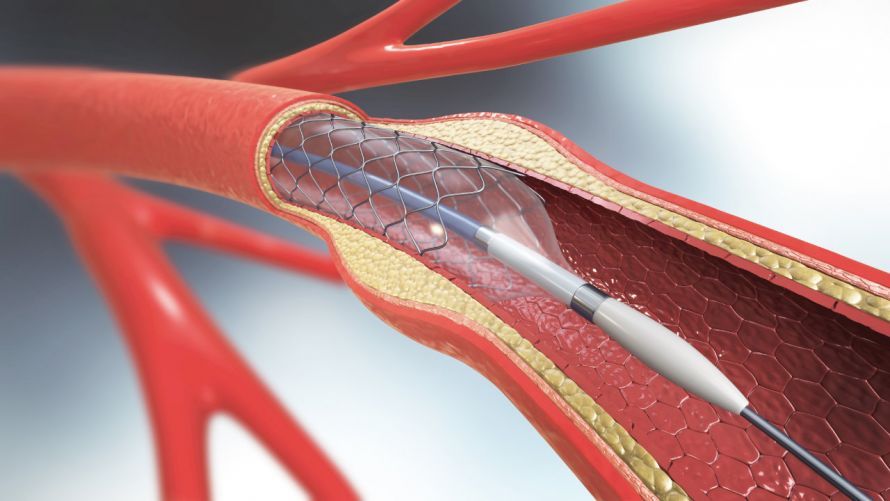
A small metal mesh tube (stent), which remains permanently in the vessel, can keep the renal artery open. If the narrowed vessel is bypassed using a prosthesis, this is referred to as a vascular bypass. Unlike PTA, however, this procedure requires an incision in the abdominal wall.
What is the prognosis for renal artery stenosis?
Without treatment, the renal artery can become increasingly narrowed, and the stenosis can eventually lead to kidney failure.
If left untreated, high blood pressure often leads to cardiovascular disease and damage to all tissues. It must be treated with medication, and multiple medications are often necessary.
Fibromuscular renal artery stenosis in younger women typically resolves in over 70 percent of patients following treatment. The prognosis here is significantly more favorable than in patients with renal artery stenosis caused by vascular calcification (atherosclerosis).
FAQ
What is renal artery stenosis?
Renal artery stenosis refers to a narrowing of the renal artery (Arteria renalis). Due to this narrowing, less oxygen-rich blood reaches the kidney, which can lead to renal hypertension. The condition affects the vascular system and can occur on one or both sides.
What symptoms does renal artery stenosis cause?
Typical symptoms include difficult-to-control high blood pressure, shortness of breath, or a decline in kidney function. In advanced cases of stenosis, heart failure, pulmonary edema, or kidney failure may occur. Some younger patients with fibromuscular dysplasia develop arterial hypertension at an early age.
What are the causes?
The most common cause of renal artery stenosis is arteriosclerosis, or atherosclerosis, characterized by calcium deposits and plaques in the vessel wall. Other causes include Takayasu arteritis or a congenital abnormality of the artery. The Goldblatt mechanism leads to increased renin levels and elevated blood pressure.
How is it diagnosed and treated?
Diagnosis involves ultrasound, sonography, MRI, angiography, and further examination of the renal arteries. Diagnosis and treatment are often carried out in collaboration with interventional radiology and vascular surgery. If renal artery stenosis is suspected, blood flow to the kidney is carefully assessed.
How is renal artery stenosis treated?
Treatment may involve medication with ACE inhibitors or an interventional approach using angioplasty and stents. Often, a balloon is inserted via a catheter and a puncture in the femoral artery to dilate the narrowed area. In severe cases, surgical treatment may be necessary, particularly in patients with a single kidney or significant reduced blood flow to the kidney.
Share this article

About the medical author
Prof. Dr. med. Susanne Regus
Medical Author
Prof. Dr. med. Susanne Regus – medical author: expert articles, professional insights and medical expertise in the Leading Medicine Guide.
View full expert profile →