Learn more about the causes, symptoms, and treatment options for bone tumors here! You’ll also find a list of selected specialists in bone tumors here.
What is a bone tumor?
A bone tumor (ICD code: D48) is a new growth of bone tissue. Various criteria can be used to distinguish between different types of tumors:
- benign tumors
- malignant tumors
- primary bone neoplasms
- secondary bone growths
Malignant bone tumors, such as sarcomas, tend to metastasize, meaning they spread throughout the body. Benign tumors, such as osteomas, do not metastasize and tend to grow slowly. However, by displacing surrounding structures, they can cause symptoms just like malignant bone tumors. Only malignant bone tumors are referred to as bone cancer.
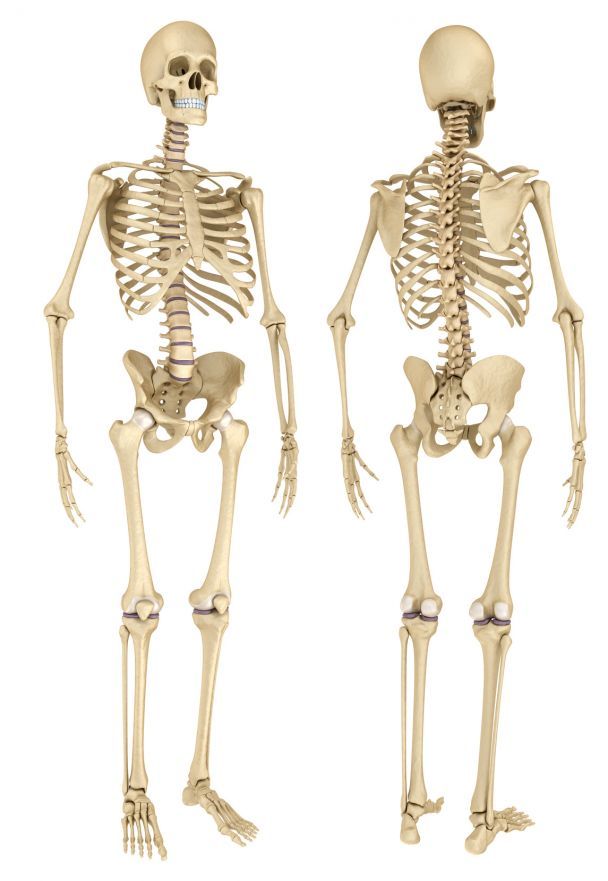
While primary tumors originate directly from bone tissue, secondary tumors are metastases from other cancers. Tumors of bone tissue are named according to their exact origin:
- Osteal tumors develop within the bone and originate from osteoclasts and osteoblasts, the most important cells of the bone.
- Cartilaginous tumors, such as osteochondromas or chondrosarcomas, on the other hand, arise from cartilage tissue.
- If a tumor originates in connective tissue, it is referred to as a connective tissue tumor or bone fibroma.
Different Types of Bone Tumors
The most common benign bone tumor is the osteochondroma, also known as an echondroma or cartilaginous exostosis. The tumor originates in the cartilaginous areas of bone near joints and begins to grow as early as childhood. Once bone growth is complete, the growth of the osteochondroma also stops. Symptoms—that is, noticeable signs—are relatively rare with this type of bone tumor.
Osteomas, which most commonly develop in the skull, are benign tumors that grow very slowly and do not metastasize. They usually cause no symptoms. Enostomes, which are typically very small and grow from so-called cortical bone tissue, cause hardly any symptoms, just like osteomas. They are usually discovered incidentally as an incidental finding on X-rays.
About 14 percent of all bone tumors are osteoid osteomas. These are found primarily in the bones of the upper and lower legs and usually develop by the age of 20. The main symptom is localized pain, which occurs particularly at night.
Osteoblastoma is structurally very similar to osteoid osteoma but grows larger. It occurs primarily between the ages of 10 and 20 in the long bones and the spine.
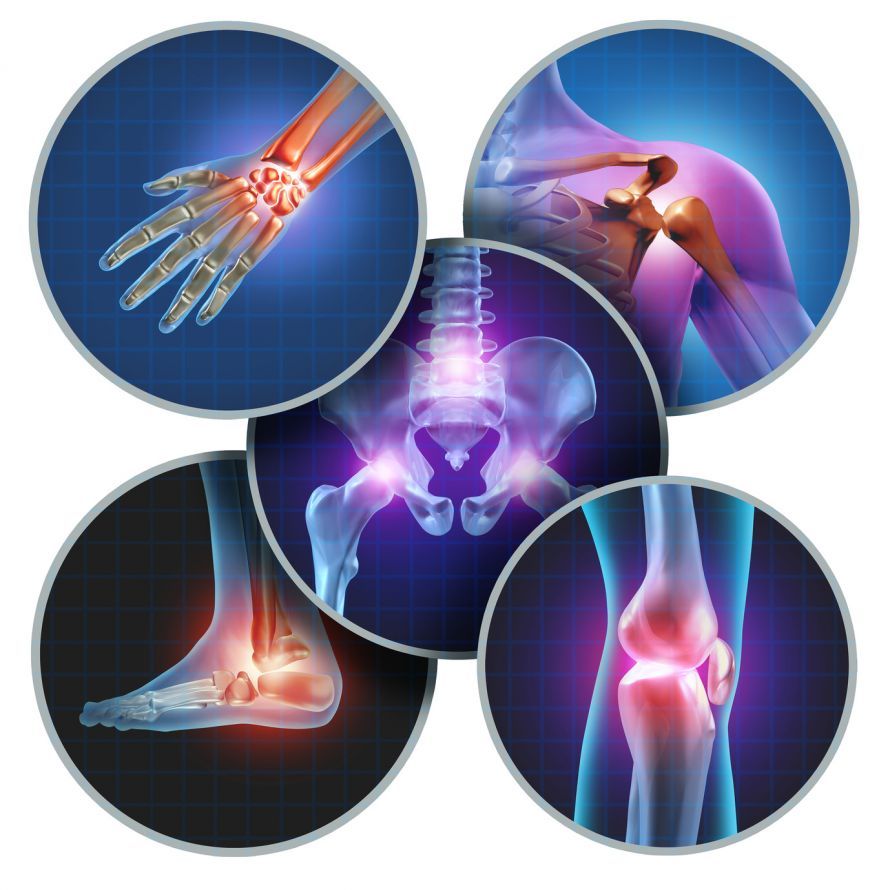
The aneurysmal bone cyst also predominantly affects patients younger than 20 years of age. This rapidly growing cyst causes pain in the area of the affected bones. Aneurysmal bone cysts occur particularly frequently in the femur and tibia, as well as in the spine.
Malignant bone tumors—or bone cancer—include osteosarcoma, chondrosarcoma, and Ewing’s sarcoma. Unlike benign tumors, malignant bone tumors contain degenerated cells. Due to changes in the cells’ genetic material, the body’s own defense mechanisms no longer function, and the abnormal cells can multiply unchecked. Unlike benign tumors, malignant bone tumors grow invasively and aggressively and often form metastases.
What causes bone tumors to develop?
To date, it has not been conclusively determined why bone tumors develop. Since both benign and malignant bone tumors tend to run in families, researchers assume there is a genetic component. Ionizing radiation is also considered a risk factor. For example, there was a spike in bone tumors following the reactor accident in Chernobyl, Ukraine, in the 1980s.

When do bone tumors need to be treated?
Whether and which treatment is used to treat bone tumors depends on three factors:
- the type of tumor,
- its extent,
- and the stage of the disease.
Malignant bone tumors must be removed as soon as possible to prevent them from metastasizing. In the case of benign tumors, doctors usually recommend waiting to see how the tumors develop. Tumors that grow very slowly and cause no or only very few symptoms are generally not treated.
Surgical treatment is always necessary when:
- pain occurs,
- mobility is restricted,
- the tumor presses on nerves, leading to sensory or motor disturbances,
- the bones are prone to fractures,
- the affected bones show signs of deformation due to the tumor.
Share this article

About the medical author
Sabine Schneider
Editor-in-Chief
Sabine Schneider – medical author: Explore expert articles and medical expertise in the Leading Medicine Guide.
View full expert profile →