Expert Interviews
"Bowel incontinence is easily treatable" – An Interview with PD Dr. Daniel Dindo

Claudia Dechamps ·
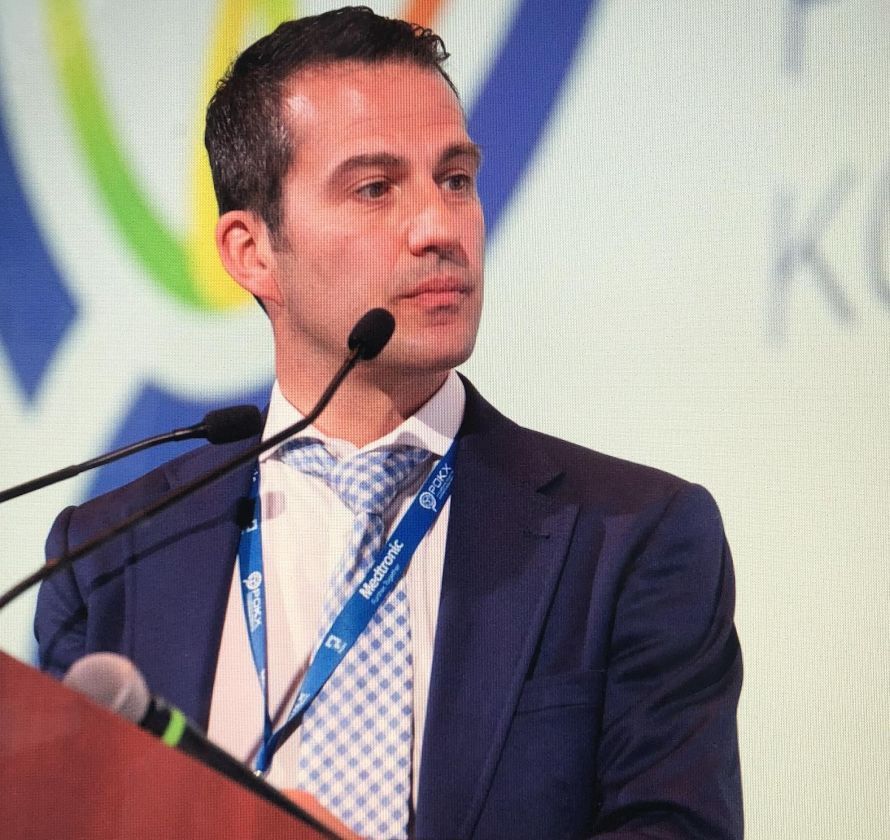
PD Dr. med. Daniel Dindo is a highly specialized proctologist. Through his practice, Proctomed—a partner of the Surgical Center at Hirslanden Clinic in Zurich—he is recognized both nationally and internationally as a leading specialist in diseases of the intestine and rectum. In his field of specialization—which may seem somewhat unusual at first glance—he has authored numerous scientific publications. He is internationally recognized as one of the leading experts on the sensitive topic of fecal incontinence. In 2008, he was certified as a European Specialist in Coloproctology by the European Board of Surgery Qualification; since then, he has focused his medical passion entirely on this discipline.
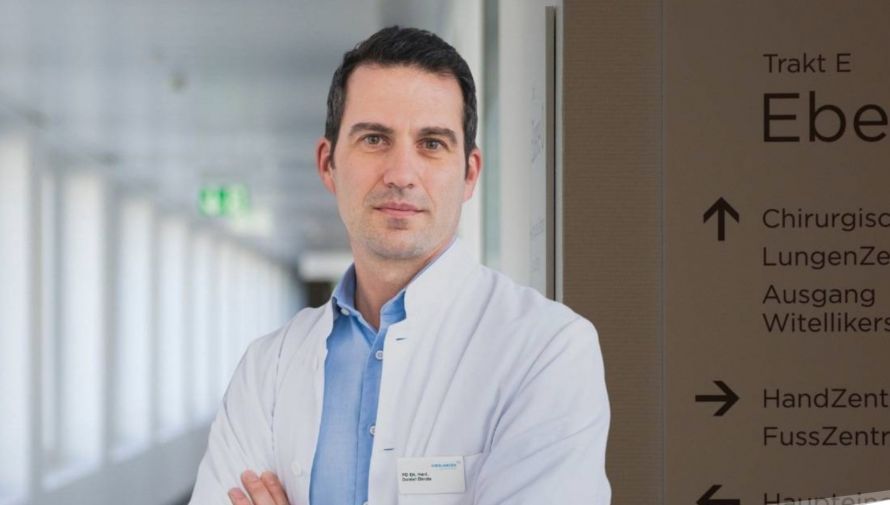
PD Dr. Daniel Dindo would like to raise more awareness. “Unfortunately, the topic of fecal incontinence is often associated with shame and embarrassment,” he notes time and again. Those affected remain silent and suffer, sometimes for many years. PD Dr. Dindo has tried several times to draw attention to this issue with magazine and radio editors. The responses were frustrating, he explains: “That’s not a topic for us,” I was unfortunately told time and again.
Up to 40 percent of older adults suffer from fecal incontinence
Yet a public discussion of this sensitive issue would be very important. “Up to six percent of the population suffers from fecal incontinence; in nursing homes, the figure is as high as 40 percent. When you no longer have control over your bowels, your entire social life is significantly impaired,” reports PD Dr. Dindo. That’s why it frustrates him that editors at mainstream media outlets are so reluctant to cover the topic.
Fecal incontinence is highly treatable
After all, the internationally recognized proctologist knows: “You don’t have to live with fecal incontinence. It’s treatable—and treatable very effectively. And I’d like to make these facts accessible to the general public and thereby help restore quality of life for those affected.” He hasn’t given up hope entirely, because “urinary incontinence managed to break through the taboo in the media at some point. Perhaps we’ll eventually succeed in bringing the topic of fecal incontinence out of the shadows as well,” says PD Dr. Dindo optimistically.
Specializing in a Niche Topic
The fact that proctology—a specialized branch of medicine dealing with diseases of the rectum, the colon, and the anal canal—would one day become his area of expertise was more or less a matter of chance. PD Dr. Dindo recalls: “During my training at the University Hospital of Zurich, I ended up on the colorectal team. It was pretty unplanned.” But his interest in this niche area of surgery had been piqued. He admits that his subspecialization is sometimes looked down upon among his colleagues. Many surgeons are proficient in the most common proctological surgeries, “but when it comes to specialized procedures such as sphincter surgery, for example, only a proven expert should perform them,” emphasizes PD Dr. Dindo.
Surgical Proctology Only in Specialized Centers
Proctology is only seemingly a trivial field, and surgical proctology is found only in specialized centers. “Unfortunately, we face the problem that many doctors treat proctological conditions even though they lack the appropriate qualifications,” PD Dr. Dindo notes time and again from his experience. To his trained eye, for example, a single glance at a small inflammation at the edge of the anus is enough to immediately identify it and initiate the appropriate treatment. “But if you don’t see these clinical presentations often, you simply can’t interpret a seemingly harmless skin lesion correctly and end up treating the patient incorrectly.”
Well-connected with colleagues around the world
Hemorrhoids, anal fistulas, coccygeal fistulas, anal incontinence, or damage to the sphincter muscle caused by cancer, birth trauma, or other conditions—more than four thousand consultations a year make PD Dr. Dindo one of the most experienced colorectal specialists. Performing more than five hundred surgeries per year, he applies the most proven procedures and techniques available today. Because he is well-connected with colleagues worldwide and keeps up with the latest scientific developments, he is able to assess the merits and effectiveness of various therapies. “In surgical coloproctology, many approaches have been tried; techniques have come and gone, but not all have stood the test of time.”
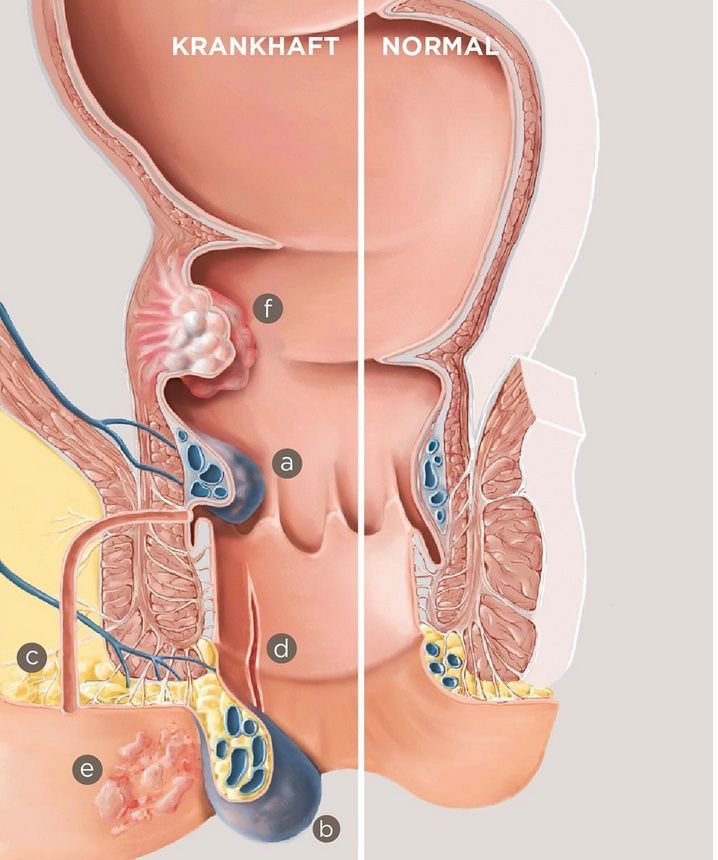
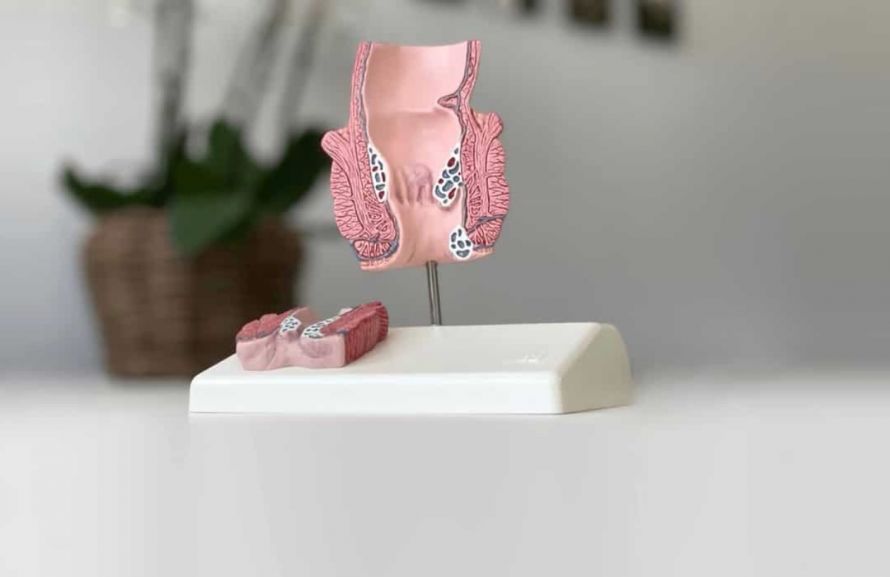
a) Hemorrhoids b) Perianal veins c) External hemorrhoids c) Anal fistula d) Anal fissure e) Eczema f) Rectal tumor
Patients Themselves Must Break the Taboo
He can therefore only advise patients to seek out a proven specialist. His recommendation is that the hospital should have a large proctology unit and also offer surgical proctology. And it would be great if patients themselves began to break the taboo surrounding diseases of the rectum. “We doctors—viewed objectively—don’t really care which part of the body we’re treating, whether it’s the head or the feet. We want to help and heal; that’s what we focus on,” PD Dr. Dindo emphasizes once again. “Proctological problems are just as normal to us as any other medical condition.” He hopes that a more relaxed attitude toward these issues will become widespread among those affected. Nevertheless, he will continue to be actively involved in public outreach on this important topic. “People simply need to know that fecal incontinence is highly treatable!”
We thank Dr. Dindo for the interesting and candid conversation and, along with him, hope that this topic will receive more openness and media coverage in the future. You can contact our specialist directly via his profile page on the Leading Medicine Guide.
Share this article
About the medical author
Claudia Dechamps
Editor
Claudia Dechamps – medical author: expert articles, professional insights and medical knowledge in the Leading Medicine Guide.
More about the medical author →proctomed – Center for Surgery, Klinik Hirslanden
ProfileExpert Interviews
Read next
- Expert interview
Cardiogeriatrics: Significance and benefits in the context of hospital reform
Sep 21, 2026
Cardiogeriatrics: Significance and benefits in the context of hospital reform
Read more - Expert interview
Expert Interview with Professor Dr. Amadeus Hornemann, MPH
Sep 18, 2026
Prof. Amadeus Hornemann on Precision Medicine in Gynecology: Modern Surgery, New Techniques, Better Quality of Life
Read more - Expert interview
Expert Interview with Professor Dr. Konstantinos Anagnostakos
Sep 15, 2026
Prof. Anagnostakos on Painful Knee Replacements
Read more