Expert Interviews
Interdisciplinary treatments for pancreatic disorders

Alexandra Pfitzmann ·
Pancreatic disorders often require particularly careful diagnosis and individually tailored treatment. Depending on the clinical picture, various specialist disciplines work together to develop the best possible treatment for each patient. Modern imaging techniques, endoscopic procedures, drug therapies and specialised surgical interventions are now often seamlessly integrated. Close collaboration between different specialists makes it possible to comprehensively assess even complex pancreatic conditions and treat them in a targeted manner.
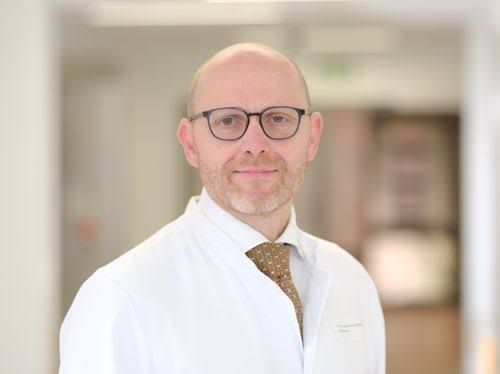
“Significant progress has been made in recent years in both diagnosis and treatment. Pancreatic cancer is no longer automatically equated with a hopeless prognosis. This has been driven primarily by expanded surgical options, such as the additional removal of blood vessels or neighbouring organs, as well as modern treatment approaches before and after surgery, for example through chemotherapy or, in individual cases, radiotherapy. Nevertheless, pancreatic cancer remains a serious condition that is often only detected at a late stage, thereby complicating treatment. This makes it all the more important to pay attention to the body’s warning signs and seek medical advice at an early stage. Possible warning signs include persistent upper abdominal pain or recurrent pancreatitis. Particular attention should be paid to newly diagnosed diabetes mellitus, as this is considered one of the most important warning signs. Yellowing of the eyes can also be an indication, although the disease may already be at a more advanced stage by this point. Furthermore, typical accompanying symptoms such as night sweats, weight loss or poor sleep can be warning signs. It is now also known that pancreatic cancer shares similar links with other tumours of the digestive tract: chronic inflammation can increase the risk of cancer in the long term. “That is why, in cases of recurrent pancreatic inflammation, particular care must be taken to ensure that the inflammation-related changes in the tissue do not eventually develop into cancer,” explains Prof. Dr. Bockhorn at the start of our conversation.
Modern imaging techniques and endoscopic examinations have fundamentally transformed the diagnosis and treatment planning for pancreatic diseases. As the pancreas lies deep within the abdominal cavity and symptoms often only appear at an advanced stage, precise imaging plays a key role.
“Of course, the appearance of symptoms does not automatically mean that pancreatic cancer is present. The aim of diagnosis is therefore initially to pinpoint the cause of the symptoms as quickly as possible or to rule out other conditions. Today, we have access to significantly more advanced imaging techniques than we did 20 years ago. Alongside modern radiological examinations, particularly magnetic resonance imaging (MRI), gastroenterological assessment plays a central role. Of particular importance here are endoscopy and endosonography – that is, the direct ultrasound examination of the pancreas from the inside. Furthermore, even at the first consultation, a physical examination and a conventional ultrasound scan can provide important clues and rule out a wide range of possible diagnoses. “Overall, modern diagnostics now enable a much more precise and earlier assessment of changes in the pancreas than was possible just a few decades ago,” explains Prof. Dr. Bockhorn.

Modern imaging and endoscopy form the foundation of personalised pancreatic medicine. They enable precise diagnosis, minimise diagnostic uncertainties and lay the groundwork for tailor-made treatment plans, in which surgeons, gastroenterologists, radiologists, pathologists and oncologists work closely together. As a result, treatments can now be planned in a much more targeted manner, improving the prospects of success for patients.
Diseases of the pancreas are among the most challenging clinical conditions in modern medicine. This is partly due to the organ’s central location within the abdominal cavity and its close connection to neighbouring structures such as the stomach, duodenum, liver, bile ducts and major blood vessels. Furthermore, the spectrum of pancreatic diseases encompasses a wide variety of conditions, ranging from acute and chronic inflammation and cystic changes to benign and malignant tumours. The expertise of a single specialist discipline is therefore usually insufficient to ensure optimal care.
Prof. Dr. Bockhorn explains: “When changes are detected in the pancreas, the decision on a specific course of treatment is never a matter of following a set formula, but depends on the nature of the findings and the patient’s overall condition. Not every abnormality automatically indicates cancer, and not every change requires immediate surgery. Some findings can initially be monitored at regular intervals, whilst with others, given their characteristics, there is little doubt that surgical treatment is necessary. That is why every patient is initially offered a standardised diagnostic programme comprising the relevant investigations. The results are then discussed in an interdisciplinary panel of experts to determine the next course of action. It often becomes apparent that, whilst a finding is abnormal, it can initially be monitored closely. In other cases, additional factors such as newly diagnosed diabetes, jaundice, unintentional weight loss or the patient’s age suggest a high likelihood of a tumour. A tissue sample is often taken from the pancreas to confirm or rule out the suspicion of cancer. However, a normal sample does not necessarily mean that there is no tumour. In some cases, the definitive diagnosis can only be confirmed after surgery through histopathological examination of the removed tissue. This makes the experience of the treatment team and the joint assessment of all findings all the more important,” he continues:
“Various specialist disciplines are involved in deciding on a course of treatment. These include, in particular, surgery, gastroenterology, radiology and oncology. Together, the specialists assess which treatment offers the best chance of success in each individual case. If pancreatic cancer is diagnosed, surgery and oncology are now frequently used in combination. In principle, every patient should, where possible, be offered additional drug treatment either before or after surgery. Upfront, so-called neoadjuvant therapy is used primarily when the tumour does not initially appear to be fully operable and is to be reduced in size first through chemotherapy. The aim is to improve the conditions for its subsequent complete removal. For despite all the advances made, surgery remains the central gold standard of treatment for pancreatic cancer. The shared goal of all the specialist disciplines involved is ultimately to be able to remove the tumour as completely as possible.”
Modern pancreatic medicine is all about teamwork. The more closely the specialist disciplines involved work together, the more personalised, safer and successful the treatment can be.
The choice of the optimal treatment for pancreatic diseases depends on a wide range of factors and often requires individual assessment by an interdisciplinary team. The key factors here are, above all, the underlying condition, its severity, the extent of the lesions, the presence of symptoms or complications, and the patient’s general state of health.
“For many patients, it is initially difficult to understand why a newly diagnosed tumour is not operated on immediately. The intuitive reaction is often: ‘The tumour must be removed as quickly as possible.’ This is precisely why explaining the treatment strategy is one of the treatment team’s most important tasks. Patients need to understand that pre-operative treatment is not a delay, but an essential part of the overall plan. The aim is to improve the chances of success for a subsequent operation and to create the best possible conditions for complete tumour removal. This is because, in tumour surgery, it is not enough simply to remove part of the tumour. What is crucial is a clear treatment plan aimed at removing the tumour as completely as possible and in its entirety. If this is not yet possible at the time of diagnosis, other treatment options must first be chosen to bring the tumour to an operable stage. Pre-treatment thus serves to prepare the ground for the most successful surgical resection possible. Even after an operation, oncology often continues to play an important role. As a general rule, every effort is made to offer every patient adjuvant drug therapy where possible. However, whether and to what extent this is appropriate depends on several factors: the patient’s general state of health, how well they tolerated any pre-treatment, and, not least, how quickly they recover from the operation. Sometimes, findings that were not apparent during the preliminary examinations only come to light during the operation itself. If, for example, it transpires that the disease is already at a more advanced stage or has formed metastases, the treatment plan may need to be adjusted. In such situations, an alternative treatment option may take precedence over surgery. Not every patient benefits from surgical intervention at this stage. Generally speaking, patients with operable pancreatic cancer have, on average, better chances of survival than those for whom surgery is not an option. Nevertheless, the course of the disease and the prognosis can never be predicted in general terms. The range of outcomes is wide and depends on numerous individual factors. One of the focuses of current research is the question of which biological and genetic characteristics influence which patients are likely to benefit most from surgery, combination therapy or other treatment approaches. “Despite all the progress made, however, life expectancy in advanced pancreatic cancer often remains limited, meaning that honest yet empathetic communication about treatment goals, quality of life and realistic expectations is an essential part of care,” emphasises Prof. Dr. Bockhorn.
Acute pancreatitis is usually treated conservatively at first. Interventional or surgical procedures are only required if complications arise or if treatment proves unsuccessful. Surgery is primarily necessary for tumours and certain chronic or structural conditions of the pancreas. Specialists from various disciplines decide jointly which treatment to use, tailoring it to each individual patient.
Minimally invasive and robot-assisted procedures have become firmly established in pancreatic surgery in recent years. Whilst operations on the pancreas used to be performed almost exclusively via large abdominal incisions, many procedures can now be carried out via just a few small access points. Technological advances have made it possible for even complex operations to be carried out using minimally invasive techniques – and, increasingly, with robotic assistance – in selected cases.
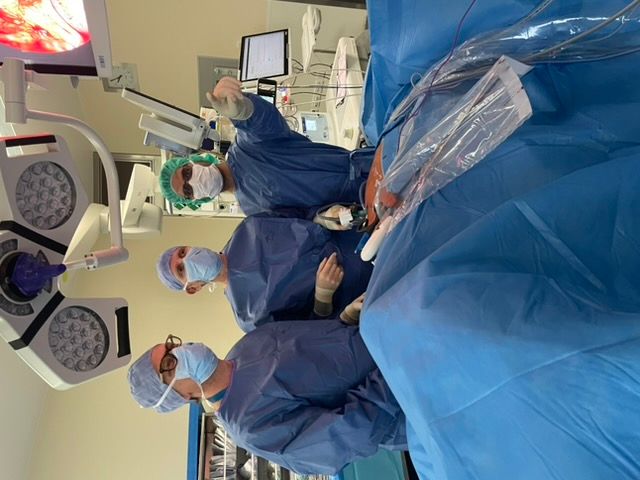
“Minimally invasive and robot-assisted procedures are also becoming increasingly important in pancreatic surgery. In many cases today, the aim is to carry out procedures as gently as possible. Modern laparoscopic techniques are available for this purpose, as are surgical robots, which enable highly precise, minimally invasive pancreatic surgery. However, not every patient is equally suitable for such an approach. Particularly in the case of people who have already undergone multiple or very extensive abdominal operations, or who have certain medical conditions, it may be necessary to resort to open surgery. However, it is not possible to give a universal figure for how many patients are suitable for robotic surgery, as the decision is always made on a case-by-case basis. When choosing the appropriate procedure, the patient’s general condition plays an important role alongside the clinical picture. Nowadays, less attention is paid to chronological age and more to what is known as ‘frailty’. It is not uncommon for patients to be biologically significantly younger or older than their actual chronological age would suggest. These factors are taken into account in treatment planning, as are comorbidities and physical resilience. Pancreatic surgery is not, however, limited to the treatment of tumours. Another important area involves patients with chronic pancreatitis, who frequently suffer from recurrent or persistent severe pain. The causes can be varied, ranging from gallstones and certain medications to cysts and alcohol-related changes. In selected cases, surgery can help to provide long-term relief from symptoms. The underlying reason is that chronic inflammation alters the structure of the pancreas over time and can lead to narrowing of the duct system. This obstructs the flow of pancreatic secretions, a condition often exacerbated by the formation of stones. The aim of a drainage operation is to remove these narrowings and restore proper drainage. If this is successful, the often severe pain can be significantly reduced or even completely eliminated. For this condition, too, the decision on treatment is made on an interdisciplinary basis. Together, the team assesses whether conservative treatment is sufficient, whether endoscopic procedures are likely to be successful, or whether surgical intervention is the best option. If surgery is considered, it is usually a one-off procedure aimed at permanently resolving the cause of the symptoms,” explains Prof. Dr. Bockhorn.
Minimally invasive and robot-assisted procedures often result in less pain, reduced blood loss, a quicker recovery and shorter hospital stays. Thanks to high-resolution 3D visualisation and precise instruments, even complex procedures on the pancreas can be carried out with particular care. However, not every patient is suitable for these procedures. The type and extent of the tumour, previous operations, vascular involvement and the patient’s general state of health are all decisive factors. Modern pancreatic centres can choose between open, minimally invasive and robot-assisted procedures depending on the individual situation, thereby ensuring the best possible treatment. The safe and complete treatment of the condition always remains the priority.
When choosing a treating doctor or the right hospital, experience and specialisation are the most important factors. Certified centres, large hospitals or university hospitals with a proven track record of treating pancreatic conditions over many years are recommended.
Prof. Dr. Bockhorn comments: “Particularly in the case of complex conditions such as pancreatic cancer or chronic inflammation, patients benefit from well-coordinated interdisciplinary teams in which surgeons, gastroenterologists, radiologists and oncologists work closely together. Many of the treatment methods established today are not fundamentally new. Similar operations were already being carried out 20 years ago. However, both surgical techniques and the accompanying diagnostic methods have advanced significantly. Modern imaging, more precise surgical procedures and improved options for perioperative care now help to ensure that treatments are carried out in a more targeted and safer manner. Looking to the future, the medical community sees great potential, particularly in early detection and prevention. A key objective is to identify high-risk patients at an earlier stage and, where possible, prevent the development of pancreatic cancer. In this context, changes such as cysts or other abnormal findings in the pancreas are also coming under greater scrutiny. These must be carefully monitored and regularly assessed, as some of these changes may develop into a malignant condition over time. The challenge lies in recognising the right time for intervention: not every change requires immediate surgery, yet necessary treatment must not be delayed. Genetic and family risk assessment is also becoming increasingly important. It is already evident that a family history of cancer can provide important clues. With advances in research, it will probably be possible in future to determine individual risk profiles even more accurately. People with a family history of cancer are therefore advised to seek medical advice and, where appropriate, to take part in screening or monitoring programmes. This applies in principle to various types of cancer, but can make a particularly important contribution to the early detection of pancreatic cancer.”
As a leading university hospital, Oldenburg University Hospital in north-western Germany brings together the expertise of numerous highly specialised departments within interdisciplinary centres. For patients with pancreatic conditions, this means short distances between modern imaging facilities, gastroenterology, oncology and visceral surgery, as well as joint treatment planning by experienced specialists. The close collaboration between the Centre for Internal Medicine, the Centre for Oncology, the Centre for Diagnostics and Radiology, and the Centre for Surgical Medicine creates the ideal conditions for treating even complex pancreatic conditions. As a university hospital with established specialist centres, Oldenburg University Hospital thus offers the expertise and infrastructure required for modern, interdisciplinary and individually tailored pancreatic medicine.
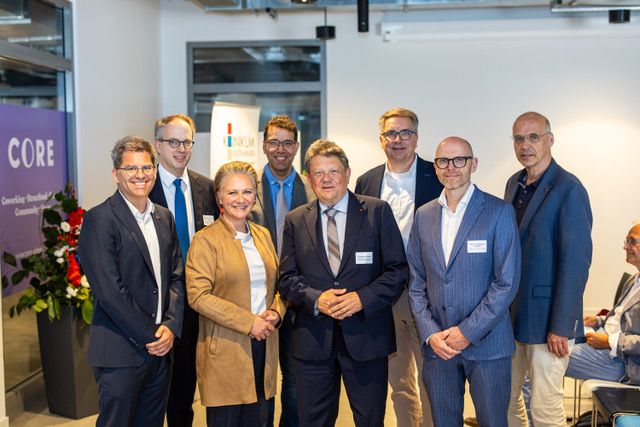
Prof. M. Ellrichmann (Gastroenterology), Prof. M. Maurer (Radiology), Prof. A. Morgner-Miehlke (Executive Director, Oldenburg University Hospital), Prof. C. Khandanpour (Oncology), Dr A. Philippi (Minister for Health, Lower Saxony), Jörn Krogmann (Lord Mayor of Oldenburg), Prof. M. Bockhorn (Surgery), Prof. H.-G. Nothwang (Dean of Oldenburg University Hospital)
“Oldenburg University Hospital offers the full range of pancreatic surgery – from tissue-preserving procedures to complex, extensive operations. We have been building up this expertise for many years. This range of services is complemented by modern, minimally invasive and robot-assisted surgical techniques, which are now an option for an increasing number of patients. At the same time, patients benefit from a closely integrated network comprising gastroenterology, oncology and other specialist departments. This enables diagnosis, treatment planning and aftercare to be carried out comprehensively and on an interdisciplinary basis, all under one roof. The total duration of treatment or surgery depends largely on the patient’s individual state of health. As a general rule, the fitter a patient is before the operation, the better they will usually tolerate the procedure and the quicker their recovery will be. Following major pancreatic surgery, the hospital stay can generally range from seven to ten days, although individual variations are possible,” explains Prof. Dr. Bockhorn, who concludes our conversation with the following advice:
“Anyone wishing to protect their pancreas in the long term should, above all, follow the general guidelines for a healthy lifestyle. There are hardly any specific preventive recommendations exclusively for the pancreas. Smoking and heavy alcohol consumption are considered particularly important risk factors for the development of pancreatic cancer. It is therefore crucial to manage both factors responsibly. Added to this are a balanced diet, regular exercise and avoiding being overweight. A shift in dietary habits has also been evident for years. A more conscious approach to food and a higher proportion of plant-based meals are increasingly seen as beneficial for general health. This trend is even reflected within the medical community. What would previously have been almost unthinkable at specialist conferences or social events – namely, largely doing without meat dishes – is now increasingly taken for granted. This shows just how much awareness of the link between diet and health has changed in recent years.”
- Director of the University Clinic for General and Visceral Surgery at Oldenburg University Hospital
- Professor of General and Visceral Surgery at the University of Oldenburg
- Specialist in complex procedures on the oesophagus, stomach, liver and pancreas
- Recognised expert in the surgical treatment of pancreatic diseases and pancreatic tumours
- Specialising in minimally invasive and robot-assisted surgical procedures
- Head of the Centre for Interdisciplinary Robotic Surgery (ZIRCOL)
- Head of the Colorectal Cancer Centre at the certified Oncology Centre of Oldenburg University Hospital
- International expertise through active involvement in leading professional societies for pancreatic and visceral surgery
- Research into tumour development, inflammatory processes and treatment resistance
- Adopts an interdisciplinary approach to the treatment of pancreatic diseases
Share this article
Expert Interviews
Read next
- Expert interview
Expert interview with Prof. Dr. med. Pantelis Stavrinou
Nov 5, 2026
An overview of symptoms, treatment and modern surgical procedures
Read more - Expert interview
Expert interview with Professor Dr Elmar Herbst, PhD
Oct 15, 2026
Patient-centred and personalised knee surgery
Read more - Expert interview
Cardiogeriatrics: Significance and benefits in the context of hospital reform
Sep 21, 2026
Cardiogeriatrics: Significance and benefits in the context of hospital reform
Read more