Expert Interviews
Cardiogeriatrics: Significance and benefits in the context of hospital reform

Alexandra Pfitzmann ·
Cardiogeriatrics refers to the specialised care of older people with cardiovascular diseases. It combines cardiological expertise with geriatric knowledge, taking into account typical age-related factors such as multimorbidity, reduced physical capacity, polypharmacy and functional limitations. This enables more precise diagnosis and individually tailored treatment decisions for patients, whose disease progression is often more complex and carries greater risks in old age. Under the new Hospital Act, cardiogeriatrics is taking on particular significance, as the reform provides for greater specialisation, clear service categories and higher quality standards. 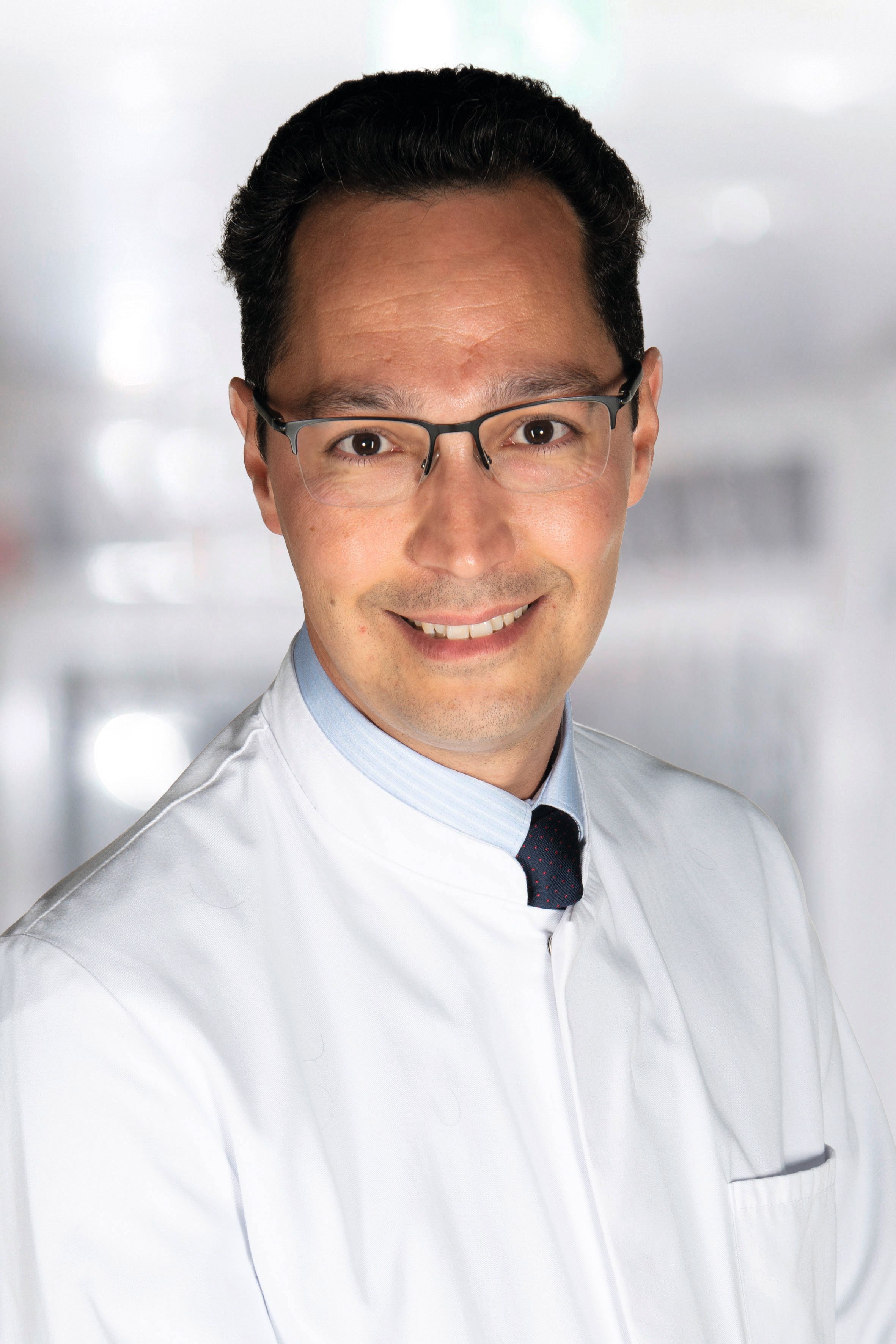
“Cardiogeriatrics encompasses far more than the treatment of heart disease in older adults. It combines sophisticated cardiological diagnosis and treatment with a geriatric perspective on the whole person. Older patients usually present not only with a heart problem, but also with a multitude of additional health challenges. These include several comorbidities such as cardiovascular diseases, arrhythmias or coronary conditions, but also frailty, limited mobility, cognitive impairments, malnutrition and other comorbidities. This is precisely where cardiogeriatrics comes in: it does not merely treat a single finding, but considers the entire clinical picture. What is crucial is not simply the interpretation of laboratory results or the isolated treatment of symptoms, but understanding the individual’s specific situation – their independence, their quality of life and their functional resources. Treatment approaches are therefore tailored to the individual and guided by what is appropriate, feasible and tolerable for that person. “This results in an approach that takes both the heart and ageing into account in equal measure, thereby meeting the complex needs of older people with cardiovascular diseases,” explains Mohammed Chebbok at the start of our conversation.
Cardiogeriatrics is indispensable today because it reflects the reality of older heart patients. It offers a form of medicine that focuses not only on the heart but on the whole person — thereby enabling a more holistic approach to treatment.
Older people with cardiovascular diseases present a range of typical challenges that require combined cardiological and geriatric expertise.
“A very elderly person with heart failure usually has more than just this one diagnosis; they frequently also have impaired kidney function, diabetes mellitus, lung disease, mobility problems and cognitive impairments, and are often taking ten or more medicines. This multitude of factors alters the significance of each individual cardiological diagnosis and makes treatment complex. This is particularly evident in the case of heart failure. Drug therapy may be medically appropriate, but often needs to be adjusted in view of age, frailty and comorbidities. Fluctuations in blood pressure, deteriorating kidney function or an increased risk of falling can mean that a therapy which is actually effective ends up exacerbating additional problems. The same applies to interventional procedures: technically, many procedures can be carried out successfully, such as the implantation of a new heart valve. Nevertheless, the question remains as to what functional and quality-of-life benefits such a procedure actually brings to the individual. Cardiogeriatrics forms the crucial interface here. It considers not only the cardiological diagnosis, but the entire clinical picture. Alongside laboratory results and findings, independence, quality of life and functional resources play a central role. Treatment decisions are made collaboratively and take into account both the medical options available and the individual’s limitations and needs. In this way, the best possible treatment or a suitable alternative can be identified for each person,” emphasises Mohammed Chebbok, going on to explain the term ‘frailty’ in more detail:
“Frailty does not describe a single clinical condition, but rather a syndrome that encapsulates the frailty of older people. It refers to a combination of factors such as unintentional weight loss, muscle weakness, reduced walking speed, marked fatigue and low levels of physical activity. People may appear mobile on the outside yet still be ‘frail’ because they show significant limitations in other areas. Frailty is therefore a complex pattern of physical and functional vulnerability. This physical dimension is often accompanied by psychological distress. Those with multiple pre-existing conditions who have to take a large number of medicines daily often experience a sense of insecurity that affects their overall well-being. Feelings of dependence, exhaustion or low spirits can exacerbate physical frailty and, for example, increase the risk of falls. Psychological stress can accompany frailty syndrome and further exacerbate functional vulnerability. Another key aspect is polypharmacy. Many older people take ten to fifteen medicines a day; polypharmacy is defined as taking five or more. In geriatrics, it is part of everyday practice to critically assess this abundance of medication. This often involves ‘deprescribing’ – that is, the targeted review and, where appropriate, discontinuation or reduction of medication that is no longer necessary. Prescriptions from different specialist areas are collated, assessed and reduced to the essentials in order to avoid interactions and to keep the treatment manageable and well-tolerated.”
Cardiogeriatric care does not begin with treatment, but with a precise and comprehensive assessment. Before any medical decisions are made, we determine how resilient an older person is, what limitations they have and which goals are realistically achievable. It is only from this overall picture that a treatment pathway emerges which takes both cardiovascular diseases and geriatric factors into account in equal measure.
Mohammed Chebbok explains the diagnostic process and the initial steps: “When an older person is admitted to the geriatric ward, their stay begins with a comprehensive geriatric assessment covering various physical, cognitive and functional areas. An individualised treatment plan is drawn up based on these results. A stay in the acute geriatric ward usually involves two to three weeks of early rehabilitation treatment. Many people arrive with multiple comorbidities and polypharmacy, so the assessment provides the first clear roadmap: where are the deficits, what diagnostic tests are needed, and which treatment goals are realistic? Diagnostic investigations begin on day one. Thanks to an interdisciplinary team comprising specialists in cardiology, internal medicine, neurology, physiotherapy, occupational therapy and neuropsychology, all relevant examinations can be carried out on-site. In cases of heart failure, pumping function is assessed via echocardiography, and data from implanted devices such as pacemakers or defibrillators is read out to evaluate their function. Physiotherapy assessments identify mobility deficits, whilst neuropsychological examinations assess cognitive function and any potential limitations. Where dementia is suspected, neurological diagnostics and imaging techniques such as MRI or CT scans are also used. This provides a comprehensive picture that goes far beyond the treatment of a single condition,” he explains, adding:
“This holistic approach prevents the ‘revolving door effect’ that used to be typical, whereby people would quickly return to hospital after treatment for an acute problem. One example illustrates this clearly: a patient was regularly admitted for cardiac decompensation. It was only in the geriatric ward that it became clear that, due to cognitive impairments, he was unable to take his medication reliably. Once his medical condition had stabilised, social services were involved, his home environment was assessed and a care service was organised to ensure he took his medication three times a day. The patient subsequently remained stable for over twelve months and did not need to be readmitted to hospital. This is precisely where the strength of cardiogeriatrics lies: it identifies the underlying problem and addresses it directly. Close collaboration with social services is also part of everyday geriatric practice. Daily interdisciplinary meetings ensure that all professional disciplines are involved and that treatment goals are continuously adjusted. Once a week, all cases are discussed in detail to plan care optimally. This approach is particularly important for people at increased risk of stroke. As strokes are often the result of other conditions – such as atrial fibrillation or hypercholesterolaemia – the focus is on treating the underlying condition. Anticoagulants, rhythm control and the adjustment of medication play a central role in this. For patients who have already suffered a stroke, a dedicated stroke unit is available, working closely with the geriatric department. Geriatric therapy begins immediately there: mobilisation, occupational therapy, neurological care and the planning of next steps. From day one, decisions are made regarding the patient’s path following discharge from hospital. Depending on the extent of the impairments, options include neurological rehabilitation, short-term care or outpatient rehabilitation. A return home is also possible if the conditions are right. The interdisciplinary team ensures that care is organised seamlessly and that treatment is continued appropriately beyond the inpatient stay.” 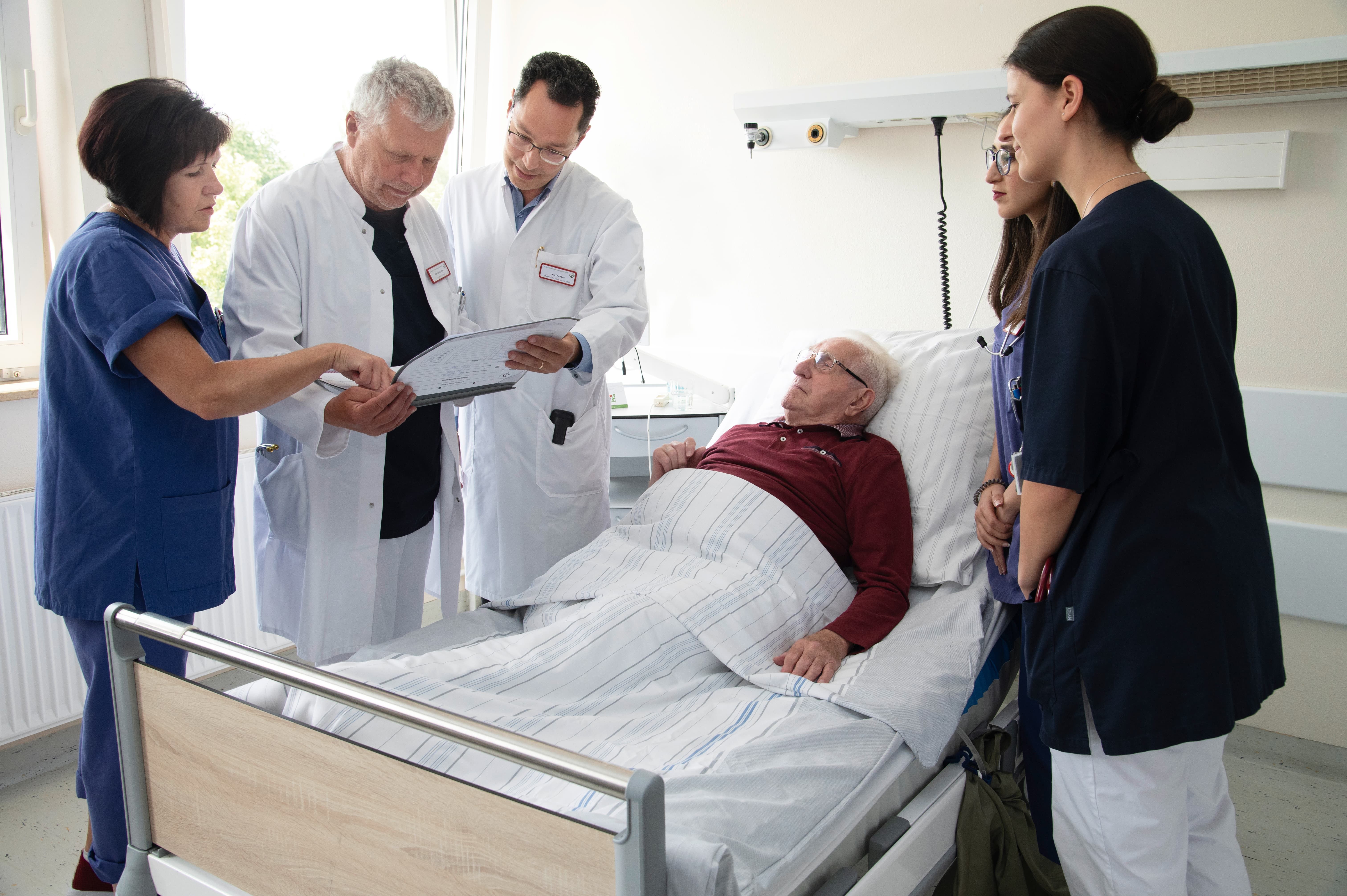
Cardiogeriatric care contributes in several ways to the practical implementation of the specialisation and quality improvements in the treatment of older cardiovascular patients required under the hospital reform.
“The current hospital reform poses major challenges for many institutions, particularly due to the increasing shift towards outpatient care. Numerous procedures are to be carried out on an outpatient basis in future, but it is precisely older people with complex health problems who are at risk of being overlooked in this process. A very elderly person who has suffered a heart attack or has a newly implanted pacemaker rarely presents with just a single diagnosis. Multimorbidity, impaired organ function, frailty and cognitive impairment cannot be managed within one or two days – and certainly not within the framework of purely outpatient care. Many of these health issues would no longer be able to be addressed at all in acute care in future. This is precisely where the particular potential of cardiogeriatrics lies. It can bridge the gap in care created by the reform. Whilst acute medicine is increasingly geared towards short stays and a diagnosis-oriented approach, geriatrics offers the possibility of admitting older people for longer periods and treating them holistically. Rather than working exclusively on the basis of diagnoses, geriatric syndromes are taken into account, in which heart failure or another cardiac condition is only part of the overall picture. This approach prevents people with complex problems from being discharged after just a few days without their other limitations having been taken into account. The importance of this approach is already evident today. The standard lengths of stay under the DRG system (Diagnosis-Related Groups) are often insufficient for older people with severe cardiac decompensation. It is unrealistic to expect full stabilisation within four or five days. Geriatric care, on the other hand, enables longer-term, structured care that combines medical, functional and social aspects. For a hospital to offer this form of specialisation, clear structures are required: qualified staff, defined treatment pathways, coordinated processes and close communication between the specialist disciplines. Interdisciplinary teams, joint consultations, specialised wards and binding SOPs (standard operating procedures) are key building blocks. These structures do not emerge overnight, but are the result of years of work – and they are proving effective. “Patients benefit from a form of medicine that combines the highest professional standards with a consistent focus on individual goals,” explains Mohammed Chebbok, adding:
“In line with the reform, such a treatment pathway has the potential to conserve resources by preventing readmissions and reducing secondary complications. If an older person no longer has to be admitted to hospital every three months due to cardiac decompensation, but remains stable for over a year thanks to comprehensive geriatric care, the preventive value of this approach becomes clear. Cardiogeriatrics thus not only counteracts the risks associated with the shift towards outpatient care, but also fulfils precisely those specialisation requirements called for by the reform: care that identifies complex cases, treats them in a structured manner and stabilises them in the long term.”
Cardiogeriatric care puts the objectives of the hospital reform into practice: it fosters specialisation, improves the quality of care, reduces risks and enhances the functional health of older cardiovascular patients.
The hospital reform is putting many hospitals under considerable pressure. The requirements for shifting care to outpatient settings mean that treatments must be carried out ever more quickly in order to meet the stipulated criteria.
Mohammed Chebbok comments critically on this: “Older people with multiple co-morbidities, in particular, easily fall by the wayside here. They usually have several conditions at the same time, require more time, more diagnostic tests and closer monitoring – requirements that are hardly compatible with short stays and standardised procedures. In many hospitals, the decision to discharge a patient is not made in consultation with the patient, but is driven by the need to fulfil a set procedure: diagnosis made, recommendation given, discharge. For older people, who are often unable to assert themselves, this means that their needs are scarcely taken into account. Only more persistent relatives can sometimes counteract this, but the majority simply accept the decisions – with the result that the next hospital admission is often not long in coming. Against this backdrop, cardiogeriatrics is gaining in importance. It integrates geriatric expertise much more closely into the treatment of older people, thereby creating precisely the structures that the reform actually calls for: specialisation, clear treatment pathways and a system of care that does not oversimplify complex cases but considers them holistically. In fact, there is currently a significant expansion of geriatric care – more and more hospitals are setting up cardiogeriatric wards because purely cardiological care for older people is no longer sufficient in view of demographic trends and the requirements of the reform. Professional societies such as the German Society for Geriatrics and the German Society for Cardiology are actively driving this development forward. There is a growing recognition that an interdisciplinary specialism is needed to bridge the gap between cardiology and geriatrics. The first specialised wards already exist, for example in Hamburg, and more will follow. Cardiogeriatrics thus offers an approach that stabilises care for older people, reduces readmissions and improves the quality of treatment – whilst at the same time preventing patients from ‘falling by the wayside’ under the pressure of reform. It creates a form of medicine that combines professional excellence with a consistent focus on the individual goals of older people.”
For relatives, friends or neighbours who support older people, much begins with a simple but crucial question: is care at home truly guaranteed? Anyone who notices that an older person is no longer able to cope with everyday life should act early and contact social services or other advice centres. There, alternatives can be explored – ranging from geriatric services and cardiac rehabilitation to support services that make everyday life easier. Solutions often only emerge once someone takes the first step and addresses the situation openly. 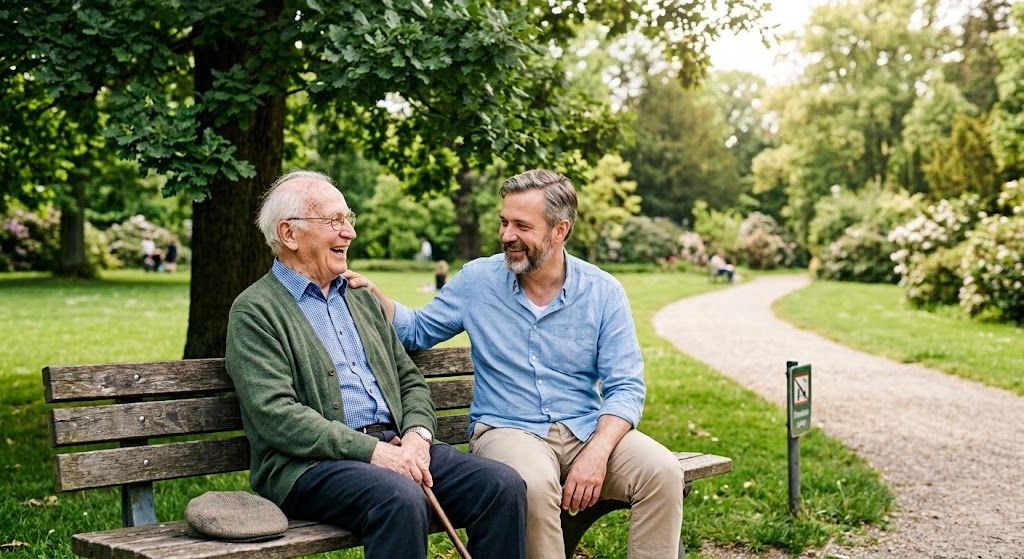
“Many relatives are overwhelmed. Anyone who works full-time whilst also looking after a person in need of care quickly reaches their limits. The strain is often underestimated until a doctor or care worker clearly states that the situation is unsustainable in the long term. Added to this is the worry about high costs, such as those for care homes or extensive support services. The financial hurdles are very real, and many people therefore give up career opportunities in order to take on the care themselves. This is a structural problem that manifests itself in the everyday lives of many families. It is important not to focus solely on the successful treatment of an illness, but on life afterwards. The key question is whether an older person can, following a procedure or course of treatment, live as independently as possible and with a good quality of life. This is precisely where it is worth asking questions – even when it comes to major medical decisions. If, for example, a heart valve procedure, chemotherapy or major surgery is on the cards, relatives should consider what realistic improvement can be expected. Has the person in question even been actively participating in life at all in recent years? Are there functional abilities that could be restored through the procedure? Or would the intervention make little difference? Such discussions are challenging and require time, which is often in short supply in acute care. Cardiogeriatrics offers a different approach here: it involves relatives, clarifies expectations and helps to make decisions that are guided by the older person’s individual goals. “It is not just about medical options, but about what actually makes sense for the person’s life,” explains Mohammed Chebbok, emphasising at the end of our conversation:
“The high demand also shows that this approach is needed. Our ward at St Martini Hospital in Duderstadt, in the district of Göttingen, with around 50 beds, treats over 1,200 patients a year – an indication of just how great the need for specialised geriatric care is. And how important it is for relatives to take an interest at an early stage, ask questions and seek support, so that older people are not left to face their challenges alone.”
- Head of Geriatrics at St. Martini Hospital, Duderstadt
- Specialist in Internal Medicine & Cardiology with additional qualification in Geriatrics
- Many years’ experience in acute geriatrics and in the treatment of complex age-related conditions
- Specialises in the treatment of heart failure, cardiogeriatric care and internal medicine conditions in older people
- Responsible for stroke care with a dedicated unit
- Expertise in dementia, delirium management, polypharmacy and deprescribing
- Focus on early rehabilitation, mobility, fall prevention and geriatric trauma care
- Trained at Göttingen University Hospital; research at the German Centre for Cardiovascular Research (DZHK) and the Max Planck Institute
- International publications on cardiovascular medicine
- Head of a clinic with state-of-the-art CT/MRI diagnostics and comprehensive functional diagnostics
Share this article
About the medical author
Alexandra Pfitzmann
Editor
Alexandra Pfitzmann – medical author: expert knowledge, professional articles and medical insights in the Leading Medicine Guide.
More about the medical author →Expert Interviews
Read next
- Expert interview
Expert Interview with Professor Dr. Amadeus Hornemann, MPH
Sep 18, 2026
Prof. Amadeus Hornemann on Precision Medicine in Gynecology: Modern Surgery, New Techniques, Better Quality of Life
Read more - Expert interview
Expert Interview with Professor Dr. Konstantinos Anagnostakos
Sep 15, 2026
Prof. Anagnostakos on Painful Knee Replacements
Read more - Expert interview
Expert Interview with Professor Karl Philipp Kutzner, M.D.
Sep 11, 2026
Prof. Kutzner on Cutting-Edge Endoprosthetics at ENDOPROTHETICUM Mainz
Read more