Expert Interviews
Patient-centred and personalised knee surgery

Alexandra Pfitzmann ·
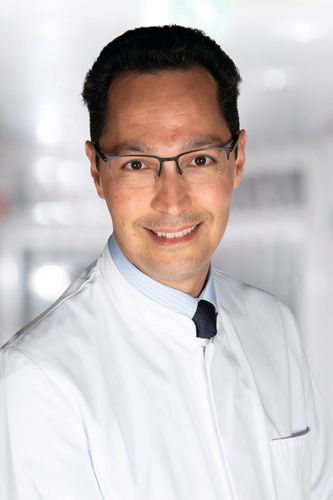
Patient-centred and personalised knee surgery means considering every injury and every knee within its own unique context – taking into account anatomy, activity profile, sporting goals and personal expectations. Modern knee surgery today relies on precise diagnostics, bespoke treatment plans and minimally invasive, function-preserving procedures that treat the person, not just the structure. It is precisely this approach that Prof. Dr Elmar Herbst has been reinforcing since 1 July 2026. With his proven expertise in ligament, meniscus and cartilage surgery, as well as joint-preserving osteotomies, he has expanded the Gelenkpunkt team and immediately enriched the range of medical services on offer.
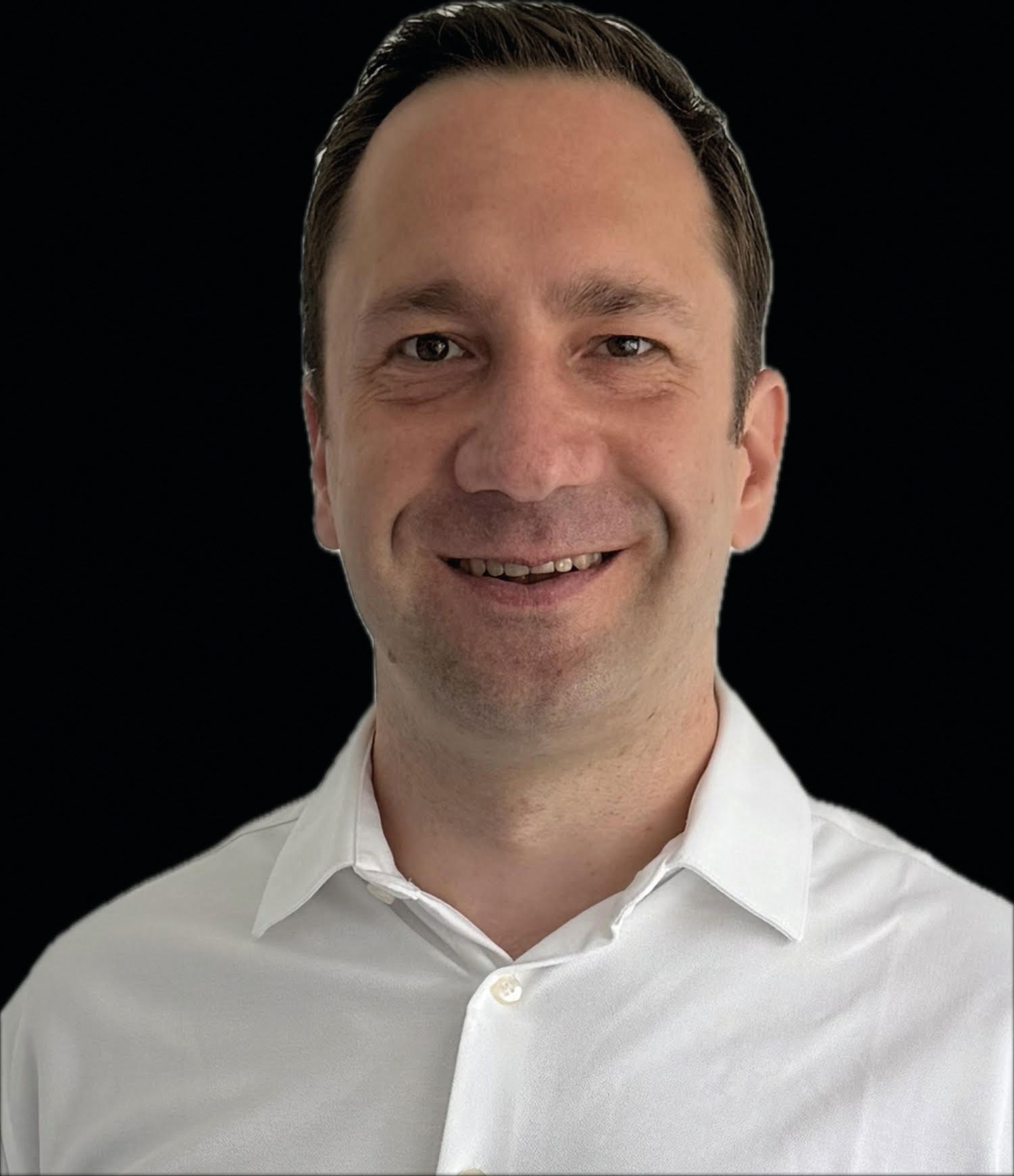
“I have been part of Gelenkpunkt in Innsbruck since 1 July. Prior to that, I worked in trauma surgery at Münster University Hospital for eight years. Gelenkpunkt has long been a special place for me, as I worked there for three years whilst studying in Innsbruck. I am particularly drawn to Gelenkpunkt’s unique structure: it is not simply a practice, but an academically oriented institution. As well as providing patient care using specialised approaches and advanced techniques, we have a broad scientific foundation – our own biomechanical facilities, clinical research and movement analysis, which we integrate closely into our day-to-day work. “I cannot yet estimate how many patients I will treat each year, particularly as we also cover emergency cases. For me, it is not the volume that is the priority. I want to find my own way and offer sensible, personalised patient care,” explains Prof. Dr Herbst at the start of our conversation.
An individualised assessment of a knee injury is only possible if the joint is understood not as an isolated structure, but as part of a complex functional system. Crucial to this is a diagnostic process that goes well beyond standard protocols and links the patient’s anatomy, biomechanics, real-life circumstances and goals.
“In individualised knee surgery, the focus is initially on a practical approach: for example, a patient may present with an accident-related knee injury requiring surgery. The first step is a thorough diagnostic assessment. This does not begin by examining existing imaging, but by clarifying the circumstances of the accident. The mechanism of the incident often provides clues as to which structures may be affected. Equally important is assessing the patient’s physical demands – whether they are a competitive athlete, a firefighter or a less active individual. This determines which treatment options are suitable for restoring the best possible quality of life. Imaging techniques such as MRI reveal structural findings but do not show functional instability. A careful clinical examination of the knee joint is therefore essential. In cruciate ligament surgery in particular, associated injuries play a role; these may be clinically relevant and affect rotational stability. Some patients are able to compensate well for a cruciate ligament tear without surgery; there are clear clinical criteria that enable such an assessment. In addition, the menisci and other structures are analysed objectively to obtain a complete picture of the situation. The aim is to identify the individual pattern of instability and to use imaging solely to confirm the clinical findings,” explains Prof. Dr Herbst, adding:
“In surgical treatment, torn cruciate ligaments can be replaced or reinforced, whilst preserving as much existing tissue as possible, as this contains important nerve fibres and blood vessels. Depending on the pattern of instability, additional stabilisation of the lateral side may be necessary to reduce the risk of re-injury. The subsequent rehabilitation process is crucial to the success of the treatment. Close follow-up care involves not only monitoring the wound but also a phased physiotherapy programme, carried out through continuous consultation between the doctor and the physiotherapist. Treatment goals are regularly reviewed and adjusted. Follow-up care takes individual differences into account: some patients need encouragement to exercise, whilst others need to be held back. In principle, the frequency of surgery has not necessarily decreased, but it is recognised that surgical intervention is not always the best solution. Many injuries and degenerative changes can be treated very effectively using conservative methods. This requires open communication about the patient’s expectations and the realistic therapeutic options. There is often a perception that structural damage must necessarily be repaired. However, the modern orthopaedic approach recognises that conservative therapies can achieve surprisingly good results in many cases.”
Knee injuries occur particularly frequently in highly active sporting disciplines, as rapid changes of direction, high peak loads and complex movement patterns place considerable strain on the joint. In such situations, the question regularly arises as to whether conservative treatment is sufficient or whether surgical intervention is preferable. The decision depends on several factors – ranging from the level of activity and the nature of the injury to individual functional requirements – and must always be assessed within the overall context.
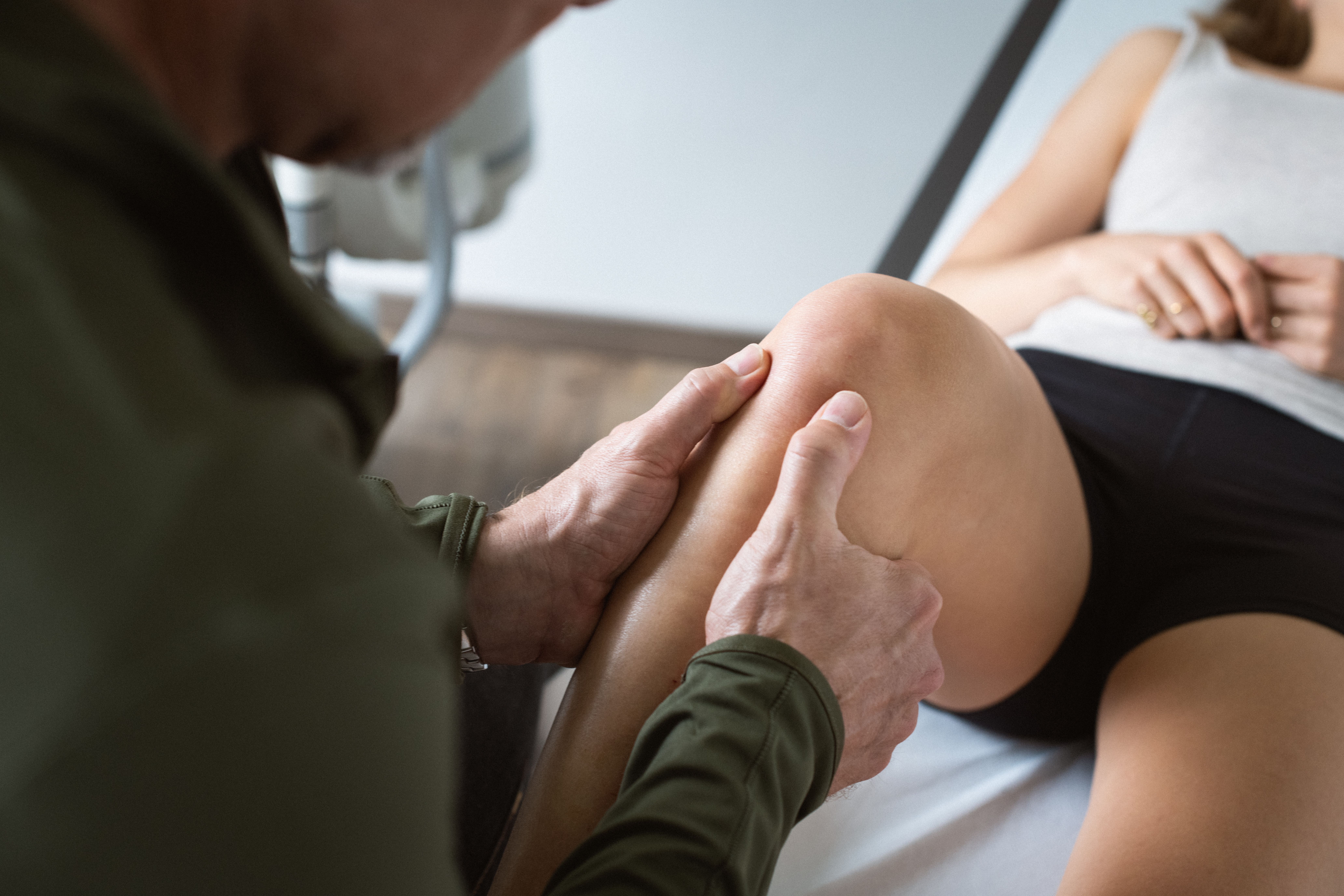
Prof. Dr Herbst explains: “There are indeed competitive athletes who manage well even without an anterior cruciate ligament, because certain bony factors and strong muscular support stabilise the joint sufficiently. In general, however, people with high physical demands and who perform many twisting and turning manoeuvres usually benefit from stabilising cruciate ligament surgery. In high-risk sports such as handball or football, surgical treatment is therefore generally recommended. However, the decision always depends on individual circumstances. If there are significant meniscus tears, cartilage damage or additional ligament injuries, this tends to favour surgery. In the case of an isolated cruciate ligament tear, conservative treatment may be considered, depending on the patient’s life situation and the physical demands they face. If important professional or personal events are imminent, an initial attempt may be made to achieve stability through conservative means. In some cases, this proves successful in the long term; in others, it becomes apparent over time that surgical treatment is necessary after all. Dogmatic decisions are not advisable here; accompanying injuries, particularly significant meniscus lesions, play a decisive role, as they can cause long-term damage and should therefore be treated as well. In cases of advanced osteoarthritis, the question of joint replacement arises. Once all conservative measures have been exhausted and quality of life is significantly impaired, the affected joint should be replaced with a prosthesis. There have been significant developments in joint replacement surgery in recent years: customised implants, various approaches to leg-length correction and robot-assisted procedures are now available. Despite these innovations, patient outcomes have remained relatively consistent overall. One possible reason for this is that the population follows a normal distribution in anatomical terms: the majority benefit from standard implants, whilst anatomical outliers – such as particular ligament tensions or unusual joint geometries – potentially benefit more from customised solutions.
When it comes to customised knee prostheses, a range of different approaches are now available, which can be employed depending on the patient’s anatomical characteristics and clinical presentation. These range from fully custom-made implants, which are precisely adapted to the natural joint structure on the basis of detailed imaging, to standard prostheses planned specifically for the individual patient, in which leg axes, ligament tensions and wear patterns are specifically taken into account. Both approaches aim to adapt the prosthesis as precisely as possible to the patient’s individual anatomy and functional requirements.
“A fully customised knee joint is manufactured according to the patient’s natural anatomy, based on a CT scan. Alternatively, a standard implant can be customised for the individual patient by taking into account wear patterns, leg axes (bow legs or knock-knees) and ligament tension. Fully bespoke implants are complex to produce and are particularly suitable for patients with significant anatomical variations. However, modern standard implants also offer various degrees of stability and customisation options, meaning they are no longer regarded as mere ‘off-the-shelf’ implants. With careful planning, many anatomical variations can be accommodated. The small number of patients with pronounced anatomical peculiarities may benefit from a 3D-printed knee. Scientifically, however, this benefit is difficult to prove, as studies reflect the broad average population and outliers are statistically overlooked. The challenge therefore remains to identify precisely these outliers clinically and to adapt treatment accordingly. Relying on the average is not sufficient if one also wishes to provide optimal care for the final 10–15 per cent of patients. When assessing leg axes, it is also crucial to determine whether bowlegs or knock-knees are congenital or acquired, for example due to osteoarthritis or injuries. This distinction has a significant impact on surgical planning. Modern knee surgery is now highly advanced and rapid, yet the patient’s individual anatomy and life circumstances remain the key factors in selecting the appropriate treatment,” emphasises Prof. Dr Herbst.
Osteotomies – a joint-preserving surgical procedure in which bone is precisely cut and re-stabilised in a new position – offer long-term benefits, particularly when the biological structures of the knee are still intact and functionally viable, the misalignment can be specifically corrected, and the patient leads an active lifestyle. In such cases, axial correction makes it possible to preserve the natural joint mechanics and redistribute the load back to healthy areas of the joint. As a result, the knee retains its original function, higher levels of physical activity remain possible, and the point at which an artificial joint replacement becomes necessary can often be significantly delayed – frequently by many years, and in some cases even by decades.
Knee surgery today utilises minimally invasive techniques, which make the procedure considerably less invasive overall and reduce the strain on the body. At the same time, patients in Austria benefit from a structural advantage: unlike in many other countries, there is no significant pressure to carry out orthopaedic procedures on an outpatient basis as quickly as possible. This allows sufficient time for inpatient care, which enables close physiotherapy support and a controlled start to rehabilitation directly on the ward.
“A patient who has had a knee replacement often remains in hospital for about a week, with physiotherapy support beginning whilst still on the ward. Even following ligament surgery, patients stay in hospital for longer on average than in comparable settings in other countries. This allows for close-monitored care, which is expressly requested by many patients. Gaps in care can thus be avoided, as various professional groups are continuously involved in the acute care setting. In principle, no one is kept in hospital against their will; at the same time, however, there is a generous framework for longer inpatient care where this is medically appropriate. The concept of outpatient care is not rejected in principle; however, there are groups of patients who require more support following an operation. These include frailer individuals or those who cannot ensure adequate care at home. Furthermore, the immediate continuation of physiotherapy is not always guaranteed in the home environment. In-patient care takes the pressure off the situation and enables many patients to recover in a stable, comfortable environment. Thanks to modern surgical techniques, the length of stay in hospital has shortened significantly over the past few decades. The strain on the body is reduced, and recovery is faster. However, this is not solely due to advances in surgery. Optimised aftercare, nursing support and physiotherapy programmes have also evolved considerably. “In rehabilitation today, mobilisation often begins earlier and is more intensive, as there is a better understanding of the mechanical interrelationships and tissue regeneration,” says Prof. Dr Herbst.
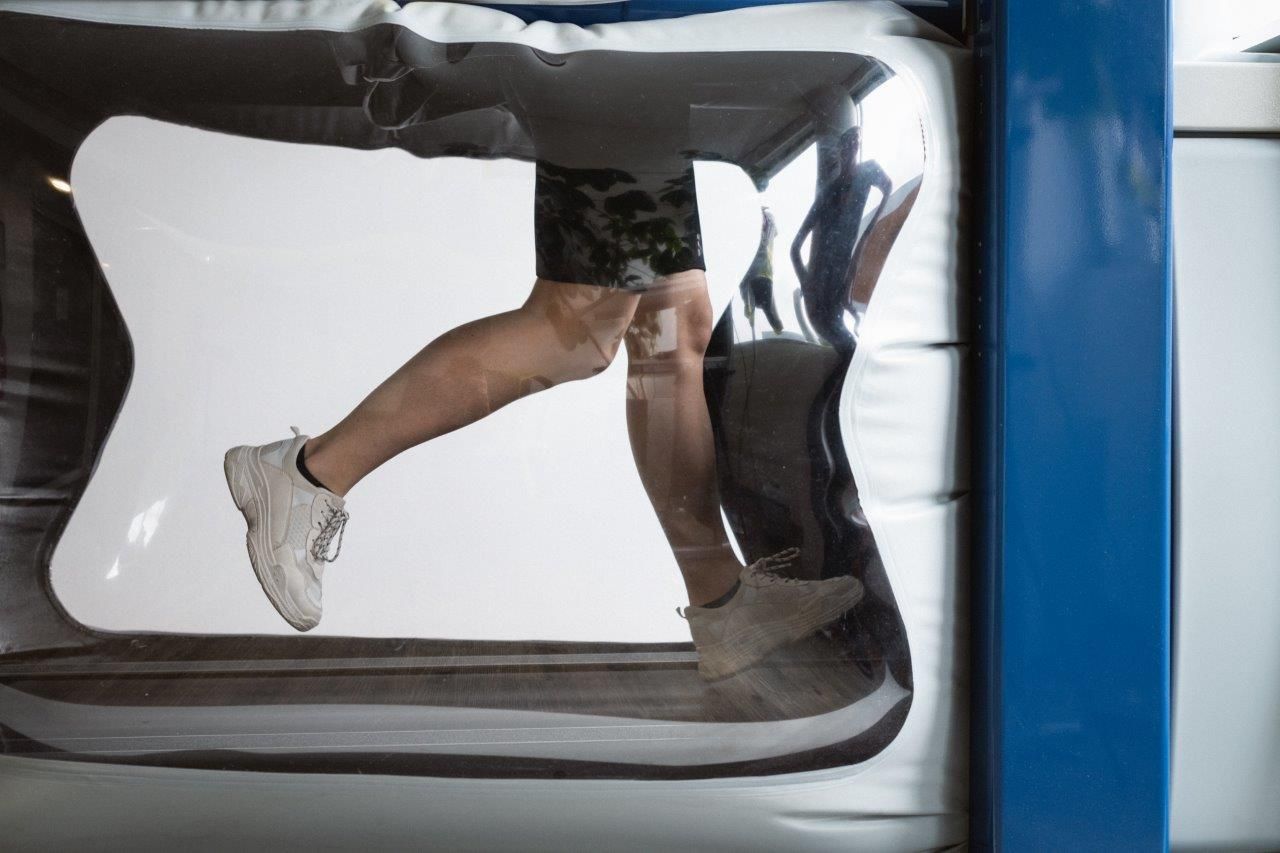
An ‘off-the-shelf’ prosthesis offers sound standard mechanics. A custom-fitted prosthesis offers personalised biomechanics, which, in the long term, results in more natural function, greater stability and a better quality of life.
In modern orthopaedics, technology and therapy are becoming increasingly intertwined and now shape virtually every stage of treatment. Surgical innovations ensure significantly greater precision in the operating theatre, whilst digital systems such as robotics and artificial intelligence are increasingly influencing how procedures are planned, prepared and monitored. This creates a synergy between technical expertise and technological support that raises both the safety and the individualisation of orthopaedic treatments to a new level.
“Alongside the surgical innovations that have enabled major advances in recent years, the work of therapists and other healthcare professionals also plays a vital role. Robotics has long been used at Gelenkpunkt, particularly for knee replacements. The technology offers a high degree of precision, but can lead to an over-reliance on automated processes. Deviations from the planned procedure are possible, meaning that robotics offers a significant advantage, particularly during the learning phase: The learning curve becomes steeper, and less experienced surgeons achieve more reliable results. In the case of highly experienced arthroplasty surgeons, however, the differences are smaller, which is why robotics at Gelenkpunkt only plays a role in specific patient scenarios. Artificial intelligence is ubiquitous in the medical field and is used in many areas, such as in radiological diagnostics to detect fractures or ligament injuries. At Gelenkpunkt, however, surgical planning continues to be carried out in person. AI can speed up the planning process, but the final assessment and correction remain the responsibility of the doctor. In diagnostics, AI plays a lesser role in day-to-day orthopaedic practice, as the consultation with the patient and the physical examination remain the most important diagnostic tools; imaging merely supplements these findings,” explains Prof. Dr Herbst, adding at the end of our conversation:
“In future, AI will become particularly important where large volumes of data are collated to better understand individual risk factors and tailor treatments even more precisely. The growth in medical knowledge is enormous and almost impossible to keep track of in its entirety. AI can assist here by providing relevant information in a structured manner. However, this requires that the models be developed in collaboration with specialists so that they reflect the specific requirements of orthopaedics and trauma surgery. Generic models are suitable for simple diagnostic tasks, but not for complex treatment decisions. It remains crucial that medical staff understand how AI models are structured, which factors they take into account, and how results should be interpreted. After all, responsibility for treatment ultimately always lies with humans.”
- Specialist in orthopaedics, trauma surgery and modern knee surgery – with particular expertise in ligament, meniscus and cartilage surgery, as well as joint-preserving osteotomies.
- PhD in Musculoskeletal Science and appointed Adjunct Professor at the University of Münster in 2024.
- International training and clinical experience at the Technical University of Munich, the University of Pittsburgh and Münster University Hospital, where he most recently served as Senior Consultant.
- Extensive expertise in sports traumatology – treatment of tendon and knee injuries in professional and amateur athletes.
- Part of the leading team at Gelenkpunkt Innsbruck, a leading European centre for sports and joint surgery with an international reputation.
- Active in research and innovation – involved in international projects, publications and the research networks at MOTUM
Share this article
Expert Interviews
Read next
- Expert interview
Cardiogeriatrics: Significance and benefits in the context of hospital reform
Sep 21, 2026
Cardiogeriatrics: Significance and benefits in the context of hospital reform
Read more - Expert interview
Expert Interview with Professor Dr. Amadeus Hornemann, MPH
Sep 18, 2026
Prof. Amadeus Hornemann on Precision Medicine in Gynecology: Modern Surgery, New Techniques, Better Quality of Life
Read more - Expert interview
Expert Interview with Professor Dr. Konstantinos Anagnostakos
Sep 15, 2026
Prof. Anagnostakos on Painful Knee Replacements
Read more