Expert Interviews
Circulatory Problems Causing Leg Pain?
Leading Medicine Guide Editors ·
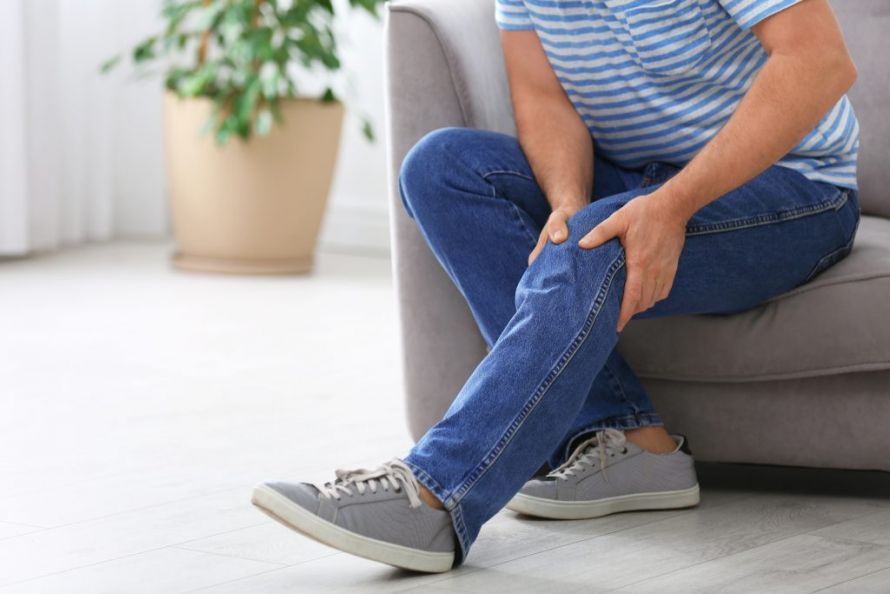
If you pay close attention, you’ll notice that in pedestrian zones, some people often stand in front of a store window for minutes at a time. The reason is often not that they’re captivated by a great deal, but rather that they’re suffering from pain in their leg. So-called “window-shopping disease” is a common phenomenon, yet its effects are often underestimated.

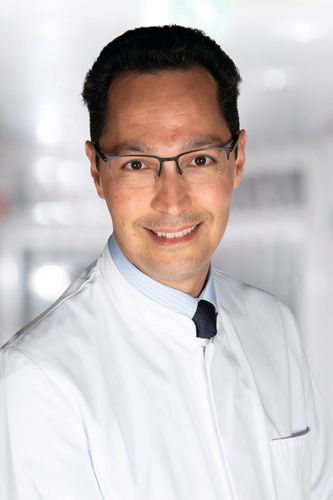
Dr. Michael Lichtenberg, who specializes with his team in the treatment of severe peripheral arterial occlusive diseases, agrees. As an internationally renowned specialist in vascular diseases and chief physician of the Department of Angiology at Hochsauerland Hospital, Dr. Lichtenberg explains in this interview what makes intermittent claudication dangerous and how it can be treated.
Specialization in Peripheral Arterial Disease (PAD)
Peripheral arterial disease is a sign of impaired blood flow in the legs. If an artery in the leg becomes blocked, this can even lead to amputation of the leg or foot if left untreated. Dr. Lichtenberg’s practice in Arnsberg primarily treats patients with complex conditions, often at an advanced stage of the disease. But what exactly is peripheral arterial disease? The cause of the blockage is atherosclerosis, the hardening of the arteries—often a complication of diabetes or caused by risk factors such as obesity, smoking, or lack of exercise.
How can this occlusive disease be treated?
In addition to conventional methods, Dr. Lichtenberg also uses two highly innovative procedures to dissolve the calcifications in the arteries. “We have two procedures that are very modern and innovative. Only two clinics in all of Germany can offer these surgical procedures so far—we are one of them,” explains Dr. Lichtenberg.
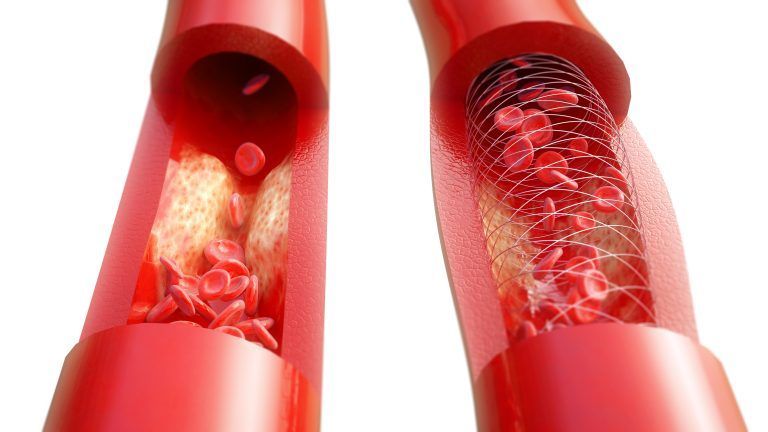
In the first procedure for treating PAD, a vein is converted into an artery—the damaged artery is replaced by a healthy vessel, a vein. Using catheter technology, blood flow is redirected from the artery into the vein above the blockage. Although this procedure is very complex and expensive, it can successfully prevent a leg amputation. The second procedure works on the same principle as lithotripsy in urology, where gallstones, urinary stones, and kidney stones are碎裂. In the case of peripheral arterial occlusive disease, the calcium deposits in the vessels are broken up, milled out, and suctioned away—the blockage is cleared, and the vessels become more flexible again.
Experience—the Key to a Successful Surgery
“We’ve been using these two innovative procedures for some time now and have had excellent results with them. In addition to state-of-the-art technology, the know-how and expertise of the operating physician are, of course, crucial,” explains Dr. Lichtenberg. Approximately 2,000 examinations are performed annually at his clinic, 500 to 600 of which are conducted by Dr. Lichtenberg himself—that’s 4 to 5 surgical procedures per day. In addition to this expertise, Dr. Lichtenberg’s clinic also stands out for its intensive research and clinical trials.
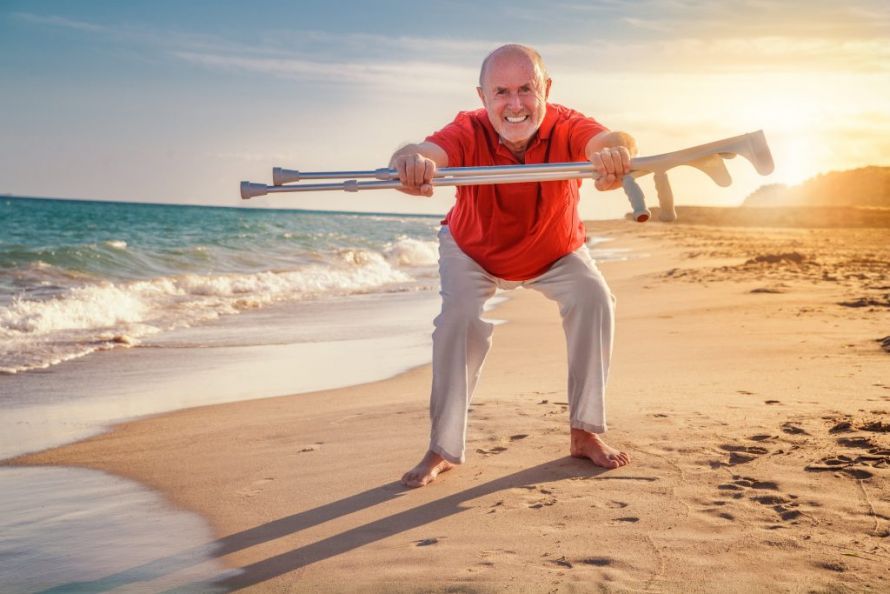
New Prospects for High-Risk Patients as Study Participants
At the clinic’s own research center, patients in the end stage of severe arterial occlusion can benefit from newly developed procedures. This offers another chance for patients who otherwise have no further prospects for treatment of PAD.
With this information from Dr. Lichtenberg, many people will likely start to view those who stop in front of a store window for minutes at a time—because their legs can no longer carry them—in a completely different light. “Intermittent claudication” sounds so harmless, but it is anything but. Still, it’s good to know that there are now options available to help even patients with severe peripheral arterial occlusion in their legs. Dr. Lichtenberg and his team have the capabilities to treat such patients in a way that allows them to avoid leg or foot amputation in the long term.
ML214GB, LMG19 / Image sources: (c) detailblick-foto, (c) VadimGuzhva, (c) New Africa, (c) crevis – Adobe Stock.
Share this article
Alexianer Klinikum Hochsauerland GmbH
ProfileExpert Interviews
Read next
- Expert interview
Cardiogeriatrics: Significance and benefits in the context of hospital reform
Sep 21, 2026
Cardiogeriatrics: Significance and benefits in the context of hospital reform
Read more - Expert interview
Expert Interview with Professor Dr. Amadeus Hornemann, MPH
Sep 18, 2026
Prof. Amadeus Hornemann on Precision Medicine in Gynecology: Modern Surgery, New Techniques, Better Quality of Life
Read more - Expert interview
Expert Interview with Professor Dr. Konstantinos Anagnostakos
Sep 15, 2026
Prof. Anagnostakos on Painful Knee Replacements
Read more