Expert Interviews
Dr. Hubert Klauser, M.D.: Thumbs Up—An Innovative Treatment for Osteoarthritis of the Thumb Saddle Joint

Sabine Schneider ·
Our thumb saddle joints are constantly in use. We don’t realize just how important these small joints are in our daily lives until they start to cause us pain. The cause is usually osteoarthritis—and by then, it’s typically already advanced. At that point, at the very latest, it’s essential to consult a certified specialist who focuses on the hand. Dr. Hubert Klauser, Medical Director at the HAND- UND FUSSZENTRUM Berlin, has focused his practice on treating conditions of the hands and feet. In the field of complex hand surgery, he has refined a surgical technique that helps people with osteoarthritis of the thumb saddle joint, in particular, regain a better quality of life. He spoke with the Leading Medicine Guide about this.

Leading Medicine Guide: Dr. Klauser—what exactly is osteoarthritis of the thumb saddle joint? Is it common?
Dr. Hubert Klauser: Yes, osteoarthritis of the thumb saddle joint is a common joint disorder of the hand and, in the vast majority of cases, does not occur until later in life—usually starting in one’s mid-fifties—with women being affected significantly more often than men. This condition, known as rhizarthrosis, is a form of joint wear and tear—there are different stages, depending on how much the cartilage has already worn away.
Leading Medicine Guide: How can you help these patients?
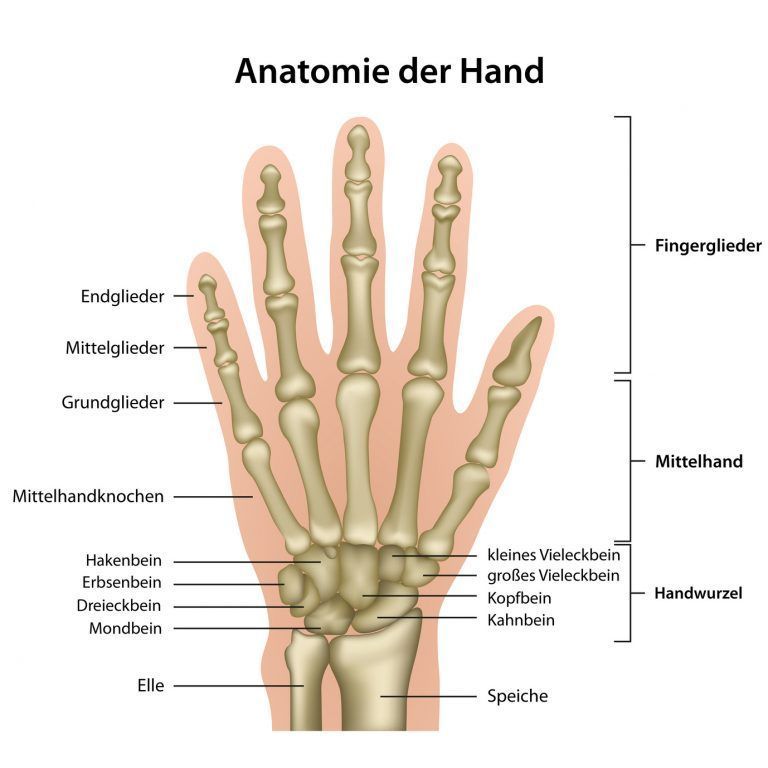
Dr. Hubert Klauser, M.D.: As an experienced hand surgeon, I use an artificial replacement for the thumb saddle joint—located between the first metacarpal bone and the trapezium—in cases of advanced joint wear accompanied by corresponding symptoms. The thumb saddle joint endoprosthesis is the most modern and advanced option for surgical treatment. My team and I use a highly advanced joint prosthesis with so-called “double mobility” for the thumb saddle joint, which is structured like a hip joint prosthesis—only on a smaller scale, so to speak.

Leading Medicine Guide: Is your surgical method a new form of treatment?
Dr. Hubert Klauser: Essentially, it’s not new; I’ve been performing this procedure for about seventeen years. Nevertheless, this method—which has been continuously improved in recent years—can still be described as innovative, simply because, in my view, the thumb saddle joint prosthesis is vastly superior to the traditional treatment method, resection arthroplasty.
Leading Medicine Guide: What are the advantages of the thumb saddle joint prosthesis?
Dr. Hubert Klauser: With the traditional method—resection arthroplasty—a carpal bone—the trapezium—is completely removed. This is a radical procedure; there’s no going back. With the thumb saddle joint prosthesis, however, an artificial joint replacement is implanted. The joint’s functionality, the length of the thumb, and fine motor skills are preserved. The patient also retains sufficient strength in the thumb after surgery—which is important for quality of life. This means that patients can continue to engage in sports such as skiing or even playing music. Implanting a thumb saddle joint prosthesis is the better solution because it does not involve the radical removal of the bone, but only replaces the joint. One should first consider a thumb saddle joint prosthesis before deciding on a resection. However, many patients simply aren’t aware that this option exists. Furthermore, many hand surgeons aren’t truly proficient in the technique for the thumb saddle joint prosthesis.
Leading Medicine Guide: What can you say about postoperative care?
Dr. Hubert Klauser: There are significant advantages here as well. Patients don’t have to wear a cast for as long—usually only three weeks instead of six. They recover more quickly. I’ve never had a case where the artificial joint loosened or dislocated in any of my patients. And the dreaded dislocations don’t happen if physical therapy after surgery is properly coordinated.
Leading Medicine Guide: How many of these surgeries do you perform each year?
Dr. Hubert Klauser: We perform approximately thirty thumb saddle joint replacements per year at our clinic. This is quite different today than it was fifteen years ago. In the past, resection was performed in about three-quarters of all cases; today, it’s the other way around: endoprosthetics are on the rise—fortunately for the patients.
Leading Medicine Guide: You’ve even established a center of excellence for physicians, correct?
Dr. Hubert Klauser: Yes, that’s correct. This has certainly contributed to the procedure being used more and more by hand surgeons and to the thumb saddle joint prosthesis being highly advanced today. In the past, a ceramic endoprosthesis was used. For a long time now, I’ve been implanting a titanium thumb joint prosthesis with a polyethylene inlay and a hydroxyapatite coating—which promotes the integration of the metal into the bone. The benefits of this surgical treatment are enormous.

Leading Medicine Guide: How does this improve people’s quality of life?
Dr. Hubert Klauser: I can explain this with a few good examples: A patient with bilateral thumb saddle joint endoprostheses—implanted about eight to ten years ago at the age of 57—can now ski and play golf without any problems. Another patient, for whom I implanted a prosthesis fifteen years ago, is still happy with it today—even at over 70 years of age, she can still play her beloved Chopin. This certainly would not have been possible with such a nuanced and problem-free outcome over such a long period of time using traditional resection arthroplasty; this is solely thanks to the thumb saddle joint prosthesis. According to the patient herself, she is absolutely thrilled that she opted for this treatment back then rather than the “mutilation” of the metacarpal bone. Not only because she truly enjoys playing her musical instrument, but also because her entire daily life has become much easier. All I can really say to that is: Thumbs up!
Dr. Klauser—thank you very much for the insightful interview!
Are you experiencing problems with your hand or thumb saddle joint and interested in a thumb saddle joint prosthesis? Then get to know hand specialist Dr. Klauser and contact him directly through Leading Medicine Guide!
Image sources © Maksim Pasko, © Kotari, © fergregory – Adobe Stock
Share this article
About the medical author
Sabine Schneider
Editor-in-Chief
Sabine Schneider – medical author: Explore expert articles and medical expertise in the Leading Medicine Guide.
More about the medical author →Expert Interviews
Read next
- Expert interview
Cardiogeriatrics: Significance and benefits in the context of hospital reform
Sep 21, 2026
Cardiogeriatrics: Significance and benefits in the context of hospital reform
Read more - Expert interview
Expert Interview with Professor Dr. Amadeus Hornemann, MPH
Sep 18, 2026
Prof. Amadeus Hornemann on Precision Medicine in Gynecology: Modern Surgery, New Techniques, Better Quality of Life
Read more - Expert interview
Expert Interview with Professor Dr. Konstantinos Anagnostakos
Sep 15, 2026
Prof. Anagnostakos on Painful Knee Replacements
Read more