Expert Interviews
Four locations, one mission: Bariatric Centres Switzerland. Making complex obesity care easily accessible

Sabine Schneider ·
Support for complex obesity is now even more accessible – and remains in the best of hands. Whilst personal consultations and aftercare take place directly at four locations close to patients’ homes, the renowned Klinik Beau-Site in Bern, as the central surgical centre, ensures medical excellence of the highest standard. A well-thought-out approach to better health and quality of life.
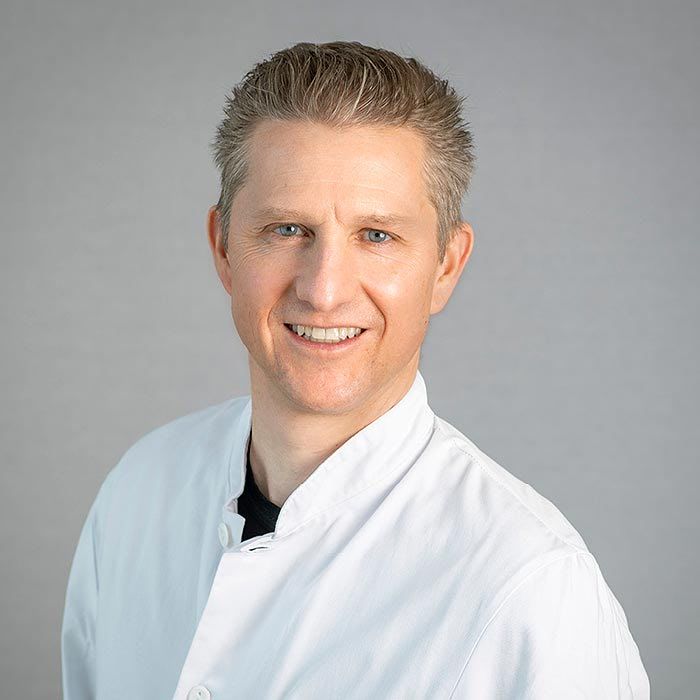
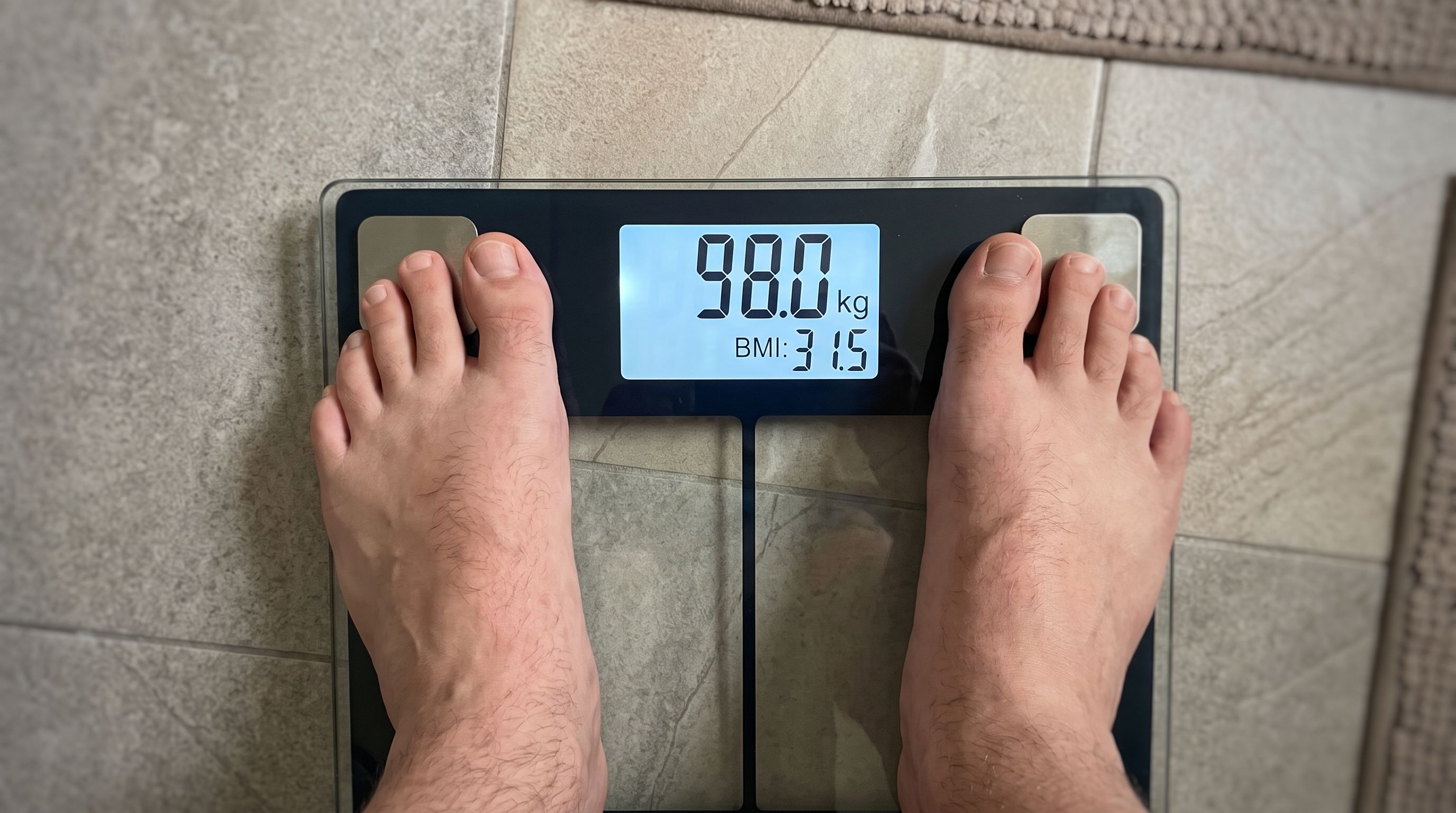
“Obesity is generally defined by the Body Mass Index (BMI). Medically speaking, obesity is diagnosed from a BMI of 30 onwards. Although the BMI is not considered the most precise measure – as it merely compares height and weight – it is still the most commonly used method in practice for classifying overweight and obesity. Obesity is regarded as a chronic, recurrent condition, particularly when accompanied by associated and secondary conditions. From a BMI of 35 onwards, at the very latest, serious health consequences such as type 2 diabetes, high blood pressure, sleep apnoea, joint degeneration and an increased risk of heart attack and stroke frequently occur. At this stage, surgical treatments are often an important part of the therapy, alongside dietary and behavioural therapies. Many people affected do not seek professional help until very late. A major reason for this is feelings of shame and the social stigma attached to people with obesity. There is still a widespread misconception that being overweight is primarily a matter of discipline and self-control. However, this view is too narrow and fails to do justice to the complexity of the condition. Fearing judgement or not being taken seriously, many people affected are reluctant to seek medical support. Added to this is often a fear of surgical intervention. It is not uncommon for patients to have already spent years trying diets, weight-loss programmes and self-help guides. On average, they have often made ten to fifteen unsuccessful attempts before they find their way to specialised treatment,” explains Prof. Dr. Zehetner, addressing the issue of obesity.
In the past, the core problem in treating severe obesity was rarely a lack of medical knowledge, but rather the often complicated, fragmented obstacles faced by patients.
“A major problem for many sufferers is a lack of guidance within the healthcare system. There is often uncertainty about who the right point of contact actually is: a GP, a nutritionist, an endocrinologist or a surgical centre. This lack of direction frequently means that sufferers only receive the appropriate treatment after many years or even decades. To avoid precisely this, a network comprising several locations has been established, serving as a clear first point of contact and guiding patients through the various treatment options during a structured consultation. The locations were deliberately chosen so that specialised obesity medicine can be provided as close to patients’ homes as possible. Instead of having to travel long distances to a distant clinic, treatment begins with a detailed consultation close to home. During this consultation, the team works with the patient to analyse their current situation, which non-surgical treatment options have already been exhausted, and which further options are available. These include modern drug-based therapies as well as surgical procedures. If surgery is generally indicated, the most suitable procedure is assessed on a case-by-case basis. Consultations take place in a familiar setting, with short waiting times and without the need for long journeys. The aim is to make complex medical care easily accessible without compromising on quality. Not everyone with obesity necessarily requires surgery. A key part of the consultation is, first and foremost, to help those affected understand that obesity is neither a weakness of character nor a personal failure. The human body has complex hormonal regulatory mechanisms that actively attempt to maintain a weight once it has been reached. Following a diet, biological adaptations often occur: the feeling of hunger increases, whilst signals of satiety become weaker. This makes losing weight more difficult in the long term. This ‘biological headwind’ explains why many diets fail in the long run and why obesity cannot be overcome by willpower alone,” says Prof. Dr. Zehetner, adding:
“Patients with a BMI between 25 and 30 often still benefit from a targeted combination of dietary changes and exercise. In cases of more severe obesity, however, this is usually no longer sufficient. From a BMI of over 30, drug therapy is necessary in most cases, whilst surgical procedures are often recommended for a BMI of 35 or above. Nevertheless, some patients consciously decide against surgery despite the relevant recommendation and prefer drug treatment. Modern weight-loss medicines have significantly expanded treatment options in recent years. However, these are generally long-term therapies that often need to be continued indefinitely. Close monitoring with regular check-ups and accompanying dietary advice is therefore crucial to the success of treatment. This is the only way to reliably monitor both adherence to treatment and any potential side effects. These include, amongst others, digestive problems, nausea, vomiting, constipation, reflux symptoms, as well as rarer complications that require medical supervision. Overall, the medicines are considered effective and are constantly evolving; in addition to new active ingredients, further dosage forms will also become available in future. The care model therefore relies on a clear division of responsibilities: Consultations, preliminary examinations, diagnostic assessments and long-term aftercare are provided close to home in regional centres. Surgical procedures, on the other hand, are carried out in a specialised centre with a high volume of cases. These centres have the necessary infrastructure, well-established procedures and extensive experience. Following surgery, patients return to their regional centre for further care. The aim is to provide seamless, structured care from a single source, ensuring not only the procedure itself but also long-term support and aftercare.”
At the sites in Bern, Solothurn, Thun and Naters, patients will not find isolated individual practices, but fully integrated centres of excellence. In practical terms, this means: From the initial assessment, through dietary and drug therapy, right through to lifelong follow-up care after an operation, all the cogs mesh seamlessly in the same place. The patient has a permanent, familiar treatment team and no longer has to navigate the medical maze on their own.
This division strictly separates the busy day-to-day practice routine from highly specialised inpatient surgery, thereby resolving one of the greatest structural problems in modern medicine and yielding significant benefits.
Prof. Dr. Zehetner explains: “Bariatric treatment begins long before the actual operation. A comprehensive assessment takes place as early as the first appointment, which, as required by Swiss regulations, must last at least three months. During this time, various examinations are carried out, including a gastroscopy, an abdominal ultrasound, heart and lung examinations, laboratory tests, as well as nutritional and psychological counselling. All these assessments take place close to the patient’s home in one of the centres, ensuring that patients are prepared for the procedure at an early stage and in a structured manner. The period following the operation is at least as important as the operation itself. The procedure not only alters the anatomy of the stomach but also requires a long-term adjustment to dietary and lifestyle habits. For this reason, patients receive close support after the operation and regular nutritional care. Studies show that people who consistently attend their follow-up appointments achieve significantly better long-term results. This applies not only to weight loss and the improvement of comorbidities such as diabetes, but also to the successful transition to new dietary habits and the long-term adoption of a healthier lifestyle. One of the biggest challenges in aftercare is often the long journey times involved. If a 20-minute appointment regularly requires several hours’ travel, check-ups are often cancelled or no longer attended. This is precisely why the network has been set up so that aftercare can take place as close to home as possible. The aim is to minimise the barriers to regular care as much as possible and to prevent patients from dropping out of the treatment system after a few months. Short journeys and continuous support are intended to ensure that the long-term success of the therapy is supported as effectively as possible.”
The geographical proximity of the practices at the four locations – Bern, Solothurn, Thun and Pfäffikon (Schwyz) – is not merely a matter of convenience, but a fundamental medical pillar for long-term treatment success.
The use of state-of-the-art infrastructure and robot-assisted surgery at the Klinik Beau-Site in Bern offers patients undergoing bariatric procedures, such as gastric bypass or sleeve gastrectomy, significant, scientifically proven benefits in terms of safety and the healing process.
A robot-assisted system is not an autonomous machine, but a high-precision tool in the hands of an experienced surgeon. The technology translates the surgeon’s hand movements in real time and with micrometre-level precision within the abdominal cavity, whilst completely filtering out any natural muscle tremors. Coupled with high-resolution 3D visualisation, which magnifies the surgical field many times over, the surgeon can see anatomical structures, fine blood vessels and layers of tissue much more clearly and in greater detail than is the case with conventional laparoscopy or open surgery.
“Robotics has significantly advanced bariatric surgery in recent years. Conventional laparoscopic instruments sometimes reach their limits, particularly with severely obese patients. Modern surgical robots, on the other hand, provide a high-resolution three-dimensional view and a level of instrumental precision that far exceeds the dexterity of the human hand. This allows even deep and anatomically challenging areas of the abdominal cavity to be visualised and treated with exceptional precision. The use of robots is not strictly necessary for standard procedures such as sleeve gastrectomy or gastric bypass surgery. However, the technology is particularly valuable for complex revision procedures. These involve patients who underwent surgery years ago, have since regained weight or are suffering from complications. With the aid of robotics, such situations can often be specifically corrected. This includes, for example, adjustments following insufficient weight loss or the treatment of conditions such as reflux, which can occur after a sleeve gastrectomy. Minimally invasive robotic surgery offers several advantages for patients: the incisions are smaller, blood loss is generally lower, and post-operative pain is often reduced. In most cases, patients are able to leave hospital after just two to three days. Alongside modern technical equipment, the experience of the entire treatment team plays a crucial role. Close collaboration between surgeons, anaesthetists, nursing staff and the operating theatre team, as well as many years of specialisation in bariatric surgery, contribute significantly to a high standard of care,” explains Prof. Dr. Zehetner, adding:
“If patients develop symptoms following a previous operation or experience significant weight regain, the priority is first to carry out a comprehensive diagnostic assessment. The aim is to understand the exact cause of the problems before deciding on further steps. These include, amongst other things, a gastroscopy, specialised X-ray examinations to assess the oesophagus and, if necessary, further procedures such as a CT scan or functional measurements of the oesophagus. Only on this basis is a decision made as to whether drug treatment is sufficient or whether a repeat surgical procedure is advisable. Depending on the findings, various solutions may be considered. If, for example, the remaining stomach has become too large, a further reduction in size may be considered. If a hiatal hernia is present, this can be corrected surgically. In other cases, a sleeve gastrectomy can be converted into a gastric bypass. This often allows several problems to be treated simultaneously, such as reflux symptoms and renewed weight gain. However, which treatment is ultimately the right one must always be assessed on a case-by-case basis and tailored to the individual situation.”
Seamless interdisciplinary collaboration across the four sites in Bern, Solothurn, Thun and Pfäffikon (Schwyz) is ensured by consistent digital connectivity, standardised treatment pathways and integration into the unique network of Helvetius Holding.
As obesity is a chronic condition, treatment does not end with surgery. Rather, long-term success requires ongoing medical support. To this end, an interdisciplinary team comprising internists, nutritionists and, where necessary, psychological specialists works closely together at each site. Although only a few patients require psychological support following bariatric surgery, this support is available at any time should it be needed.
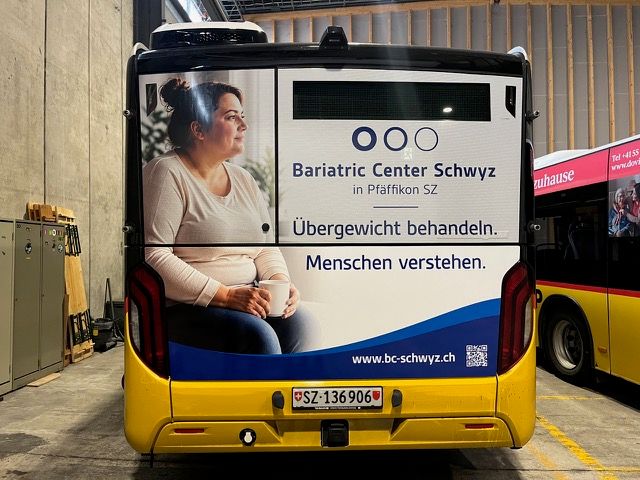
“To ensure a consistently high standard of care, a standardised treatment protocol has been developed, which is applied across all centres in accordance with the same standards. Following the operation, follow-up appointments are initially scheduled at short intervals: typically after two weeks, six weeks, three months and six months. After that, an annual check-up is usually sufficient. Unlike many centres, which discharge their patients from aftercare after a few years, the network aims to provide lifelong care. Experience shows that patients benefit significantly from this continuous support in the long term. To ensure closely co-ordinated care, regular case conferences are held between the specialists involved. Furthermore, a shared digital documentation system enables the exchange of relevant findings, treatment histories and therapeutic decisions across all sites. All disciplines involved thus have access to the information necessary for treatment, whilst complying with applicable data protection regulations. The aim is to provide seamless, one-stop care, where aftercare is not outsourced to external providers but is carried out by specialised teams who undergo continuous professional development and work in accordance with current guidelines. Another important aspect following successful weight loss is the management of excess skin. Particularly after significant and rapid weight loss, excess skin may develop on the abdomen, upper arms or chest, which can be physically and psychologically distressing for many patients. Patients are also supported in this area and referred to experienced plastic surgeons. We work closely with specialist centres and surgeons who specialise in body-contouring procedures following weight loss. Support is also provided when applying for health insurance cover for medically necessary procedures. The care does not end with the obesity treatment itself. Rather, the entire treatment journey is coordinated and supported – from the initial consultation through to the operation and aftercare, right up to any follow-up treatments. This ensures that patients have a competent point of contact throughout the entire process.”
The most impressive success stories show that successful obesity treatment can achieve far more than just weight loss. Time and again, healthcare professionals witness how people, after years of limitations, find their way back to an active and self-determined life.
Prof. Dr. Zehetner notes: “Particularly impressive are cases of patients who used to be physically active but had lost their mobility and physical capacity due to injuries, illnesses or significant weight gain. Following successful treatment, some of them manage to become physically active again. For example, one patient completed her first marathon a year and a half after gastric bypass surgery, whilst another has already successfully completed an ultramarathon and is now aiming to take part in an Ironman. Such developments show that the treatment not only changes body weight but often reshapes a person’s entire life. Even beyond peak sporting achievements, there are many inspiring examples. Some people who were confined to a wheelchair due to their body weight or associated medical conditions regain a significant degree of their mobility through weight loss and are able to walk independently again. For those affected, such changes often mean a huge improvement in quality of life and independence,” he continues:
“Numerous factors interact in the development of obesity. In addition to genetic and familial influences, environmental conditions and societal developments are also regarded as important causes. Obesity is now regarded as a complex condition in which hormonal regulatory mechanisms play a central role. At the same time, the range of food available has changed significantly over recent decades. High-calorie and highly processed foods are available almost at any time and are specifically designed to be particularly appealing and easy to consume. Although a shift in thinking is now evident – for example, through the availability of reduced-sugar or sugar-free products – it is not yet fully understood what long-term effects some substitutes have on metabolism. Furthermore, the increasing availability of industrially produced foods has brought about lasting changes to the eating habits of many people. The consequences of this trend are evident worldwide. Overweight and obesity have become one of the greatest health challenges in many countries. This makes education and the dismantling of prejudices all the more important. Many of those affected still find it difficult to take that first step towards seeking professional help. That is why a key objective is to keep barriers as low as possible and to offer an initial consultation appointment as quickly as possible. New patients can be seen within one to two weeks to analyse their individual situation together and discuss possible treatment options. The focus is not on making a hasty decision to undergo surgery. No one is pressured into choosing a particular course of treatment. Rather, it is a carefully planned process in which all options are examined and the necessary preliminary tests are carried out. The aim is to work together to find a sustainable long-term solution and to maximise the chances of successful treatment. The eligibility criteria for bariatric surgery vary from country to country. In Switzerland, surgery is generally considered for patients with a BMI of 35 or above, or a BMI of 30 or above in cases of diabetes that is difficult to control. In addition, it must be documented that conservative weight-loss measures have already been undertaken over an extended period. For most of those affected, however, this does not pose a particular obstacle, as they have often already spent many years trying diets, weight-loss programmes and other treatment options. This makes an objective public discussion about obesity all the more important. The condition should no longer be treated as a taboo, but understood for what it is: a chronic medical condition that requires professional support, individualised treatment approaches and long-term care”.
- Professor (USC), specialist in surgery with a focus on visceral surgery; a leading European specialist in complex reoperations in bariatric surgery, as well as the world’s leading expert in reflux surgery and complex reoperations.
- Undergraduate studies and specialist training in Switzerland, Austria, Spain and the USA; seven-year research and teaching fellowship at the University of Southern California (USC) in Los Angeles.
- Bariatric surgery, metabolic surgery, tumours of the gastrointestinal tract, complex hiatal and abdominal wall hernias, and gastro-oesophageal reflux disease (GERD).
- Minimally invasive laparoscopy, state-of-the-art robotic surgery and personalised reflux procedures such as the LINX™ system (over 350 procedures since 2008) and the RefluxStop™ method (over 300 procedures in Bern, the highest number of cases worldwide).
- Founder of Swiss1Chirurgie AG with centres in Bern, Solothurn, Thun and Naters
- Founder of Bariatric Centres Switzerland with four locations: Bern (BCB), Solothurn (BCA), Pfäffikon (Schwyz, BCS) and Thun (BCT).
- Founder of Helvetius Holding AG, which also operates the GGP Bern and PZBE practices.
- Affiliated doctor at the Hirslanden Beau-Site Private Clinic and the Hirslanden Salemspital in Bern.
Share this article
Expert Interviews
Read next
- Expert interview
Expert interview with Prof. Dr. med. Pantelis Stavrinou
Nov 5, 2026
An overview of symptoms, treatment and modern surgical procedures
Read more - Expert interview
Expert interview with Univ.-Prof. Dr. med. Maximilian Bockhorn, FEBS
Nov 3, 2026
Interdisciplinary treatments for pancreatic disorders
Read more - Expert interview
Expert interview with Professor Dr Elmar Herbst, PhD
Oct 15, 2026
Patient-centred and personalised knee surgery
Read more