Expert Interviews
Eyelid Tumor—Here's How Serious the Risk Is

Leading Medicine Guide Editors ·
Sometimes you hardly notice it. It might be a tiny discoloration on the eyelid, or a small lump or bump may be starting to form. But it is precisely these kinds of symptoms that can be signs of something serious, such as a tumor. There are both benign and malignant types of tumors that can develop on the eyelid. Eyelid tumors are the most common tumors in ophthalmology, and they primarily affect people aged 60 and older. According to the German Cancer Society, they are also increasingly affecting young people, particularly those who are frequently exposed to sunlight (UV rays).

What exactly is an eyelid tumor?
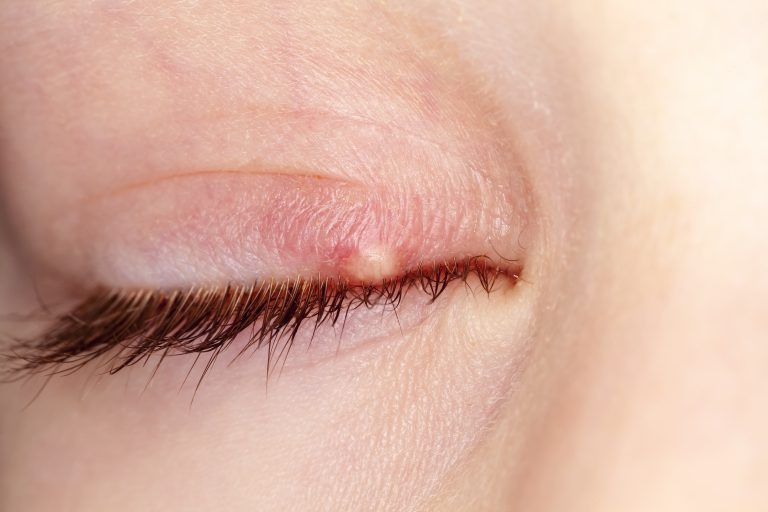
Eyelid tumors are growths on the skin and can appear directly on the upper or lower eyelid. They can change and develop into larger tumors, or they can grow into the eye, which in the worst case can lead to blindness.
Benign tumors include warts (papillomas) or fatty deposits, which can be easily removed. The most common malignant tumor of the eyelid is basal cell carcinoma, also known as a basal cell carcinoma for short. It can affect anyone and should be taken seriously. Seeing a doctor early on can prevent more serious complications.
Typical symptoms:
- Loss of eyelashes
- Itching of the eyelid
- Discoloration of the skin on the eyelid
- Changes in the skin
- A noticeable lump or noticeable nodule
- Ointments, eye drops, and other medications do not help
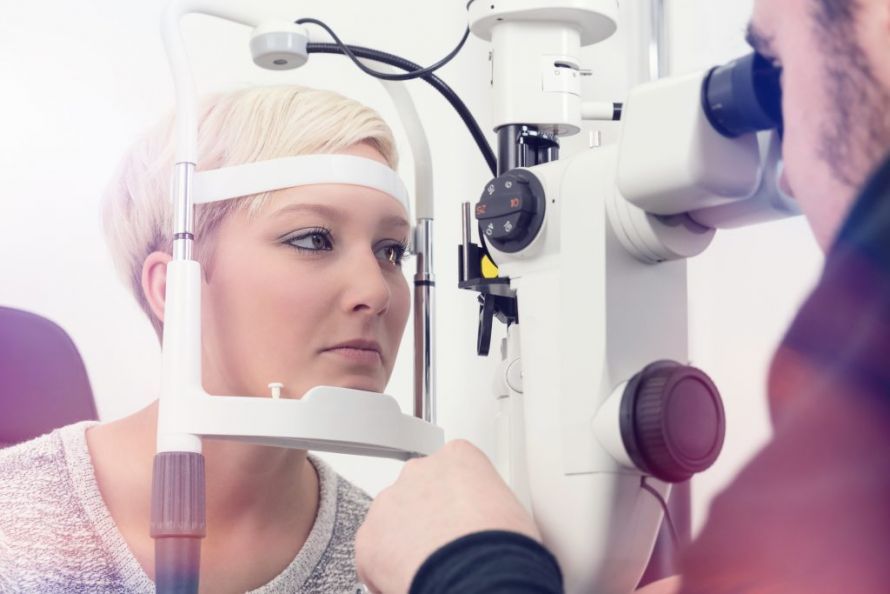
At the very latest when your eyelashes start falling out, urgent action is needed. The worst thing you can do is simply ignore these symptoms and downplay them. Any change in or around the eye should be examined by a doctor. After all, we’re talking about your most important sensory organ.

University Professor Dr. Ludwig Heindl of the University Hospital of Cologne also specializes in eye health. As head of the Department of Ophthalmic Oncology and Ophthalmic Plastic Surgery, Prof. Heindl treats patients with complex eye conditions, such as diseases of the lacrimal ducts, as well as conjunctival tumors, orbital tumors, ocular melanomas, diseases of the ocular surface, and eyelid tumors. In the following, Prof. Dr. Heindl explains exactly what to look for in the case of a malignant tumor on the eyelid.
Prof. Heindl, why does the sun play such a crucial role in the development of eyelid tumors?
Prof. Heindl: It is now widely accepted—and scientific studies have confirmed this—that intense sun exposure (UV radiation) can severely damage the skin and trigger cancer. The face, and especially the eyes, are often inadequately protected and are therefore particularly at risk.
We can apply sunscreen to our skin. But what about our eyes?
Prof. Heindl: The best way to protect our eyes is with sunglasses, which aren’t just a stylish summer accessory but, more importantly, filter out UV radiation. It’s important to make sure the sunglasses are of high quality. UV radiation is dangerous in two ways: It can not only cause eye tumors but also pose a risk for pterygium. In this type of tumor, the vascular conjunctiva grows over the otherwise clear, avascular cornea of the eye.
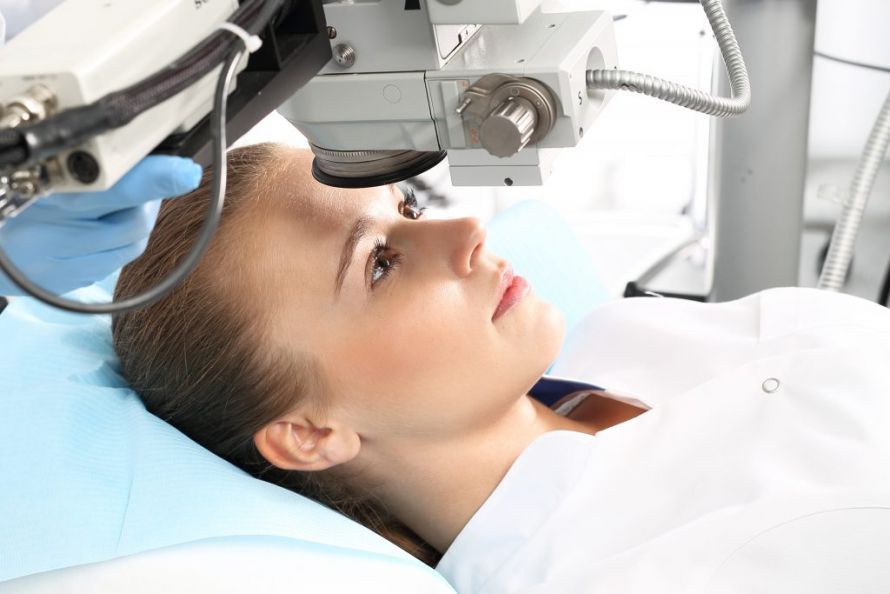
If you’ve noticed something unusual, what exactly should you do next?
Prof. Heindl: First, an ophthalmologist should perform a biopsy (tissue sample) to determine exactly what it is. In addition, ultrasound and computed tomography can provide further important clues as to whether it is a tumor. If the histological examination confirms that it is malignant—in 90% of cases, it is a basal cell carcinoma—it should then be removed by an ophthalmic plastic surgeon.
It’s often the case that people are reluctant to seek treatment for their eyes or delay treatment as long as possible. Have you experienced this as well? What happens in the worst-case scenario?
Prof. Heindl: Unfortunately, yes. Many people downplay such an eye condition. They don’t consider it necessary to have their eye examined. Some prefer to wait, hoping it will heal on its own. Others are very afraid of eye surgery. They fear being disfigured after surgery or losing their eyesight. Although the malignant eyelid tumor does not metastasize, it can still affect other sensory organs. It can grow and even cause blindness. The rule is: the sooner the tumor is removed, the better the chances of recovery.
Is a complete cure possible, or should one expect long-term effects?
Prof. Heindl: With timely surgery, the prognosis for a complete cure of the eyelid tumor is good. Nevertheless, follow-up examinations are important, especially during the first two years. Sometimes recurrences or other skin changes can occur that we need to monitor.
And what is your personal advice for preventing future eyelid tumors from developing in the first place?
Prof. Heindl: To this day, we cannot say with 100% certainty what causes an eyelid tumor. In fact, however, sun exposure plays an important role in prevention. A high percentage of eyelid tumors are linked to the intensity of sun exposure. The more frequently and for longer periods you’re exposed to UV radiation, the greater the risk of developing a malignant eyelid tumor. That’s why basal cell carcinoma is affecting more and more younger people, who often don’t think about sun protection.
Dear Professor Heindl, sunglasses have once again proven their usefulness. Thank you very much for this interview!
Have you noticed something suspicious in your eye and would like to have it checked by an eye specialist? Take advantage of this opportunity and contact Prof. Heindl directly. Visit his doctor profile in the Leading Medicine Guide and contact him today.
LH235AT, LMG19 / Image sources: (c) Elroi, (c) Robert Przybysz, (c) coldwaterman, (c) Anna Om, (c) pridannikov – Adobe Stock.
Share this article
Clear Vision Cologne
ProfileExpert Interviews
Read next
- Expert interview
Cardiogeriatrics: Significance and benefits in the context of hospital reform
Sep 21, 2026
Cardiogeriatrics: Significance and benefits in the context of hospital reform
Read more - Expert interview
Expert Interview with Professor Dr. Amadeus Hornemann, MPH
Sep 18, 2026
Prof. Amadeus Hornemann on Precision Medicine in Gynecology: Modern Surgery, New Techniques, Better Quality of Life
Read more - Expert interview
Expert Interview with Professor Dr. Konstantinos Anagnostakos
Sep 15, 2026
Prof. Anagnostakos on Painful Knee Replacements
Read more