Expert Interviews
For a Good Gut Feeling! An Interview with Prof. Grünberger

Alexandra Pfitzmann ·
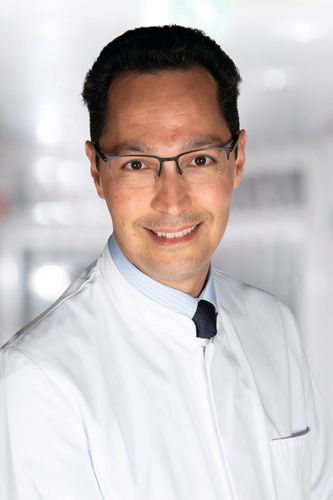
When it comes to the abdomen, liver, and gallbladder, there’s hardly a better person to talk to: Professor Thomas Grünberger, MD, is the head of the Department of Surgery at the Kaiser-Franz-Josef Hospital (SMZ-Süd) in Vienna—and is recognized far beyond the Austrian capital as an outstanding specialist in liver and gallbladder surgery, as well as for surgeries involving pancreatic, colorectal, and liver cancer. Here, he shares insights into his vast expertise with the Leading Medicine Guide.
The term “visceral surgery” is derived from the Latin word “viscera,” meaning “entrails.” It refers to surgical treatment within the abdominal cavity and the abdominal wall. The abdominal cavity contains many organs that perform vital functions—the liver, spleen, gallbladder, pancreas, and the entire digestive system, including the stomach, small and large intestines, and the esophagus. Among these organs, for example, the liver, the pancreas, and the bile ducts—together with the gallbladder—form a single unit as far as digestive processes are concerned. Toxins and metabolic waste products are filtered by the liver and bile, with the bile also releasing valuable substances necessary for fat digestion. The liver also serves as an essential store for fats, vitamins, and sugars—and it produces important proteins for cell growth. The pancreas performs this function as well, and it also regulates sugar metabolism.
There is a fascinating interplay of functions within our body
If one component fails or is compromised, the entire system is at risk of collapsing. This can occur, for example, due to tumors, inflammation, congenital abnormalities, or acute injuries. This is precisely where the visceral surgeon steps in and, through abdominal surgery as well as surgical treatment of the thyroid, parathyroid glands, hernias, or transplant surgery, restore vital functions of the affected organs, thereby enabling patients to live symptom-free lives once again.
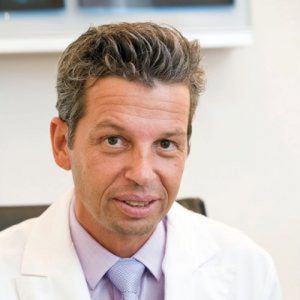
Hepato-pancreato-biliary surgery (HPB surgery) refers to operations on the liver, pancreas, and the bile ducts or gallbladder. Both benign and malignant conditions are treated in this field. Professor Thomas Grünberger, MD, Chief of the Department of Surgery at the Kaiser-Franz-Josef Hospital, SMZ-Süd, in Vienna, has performed more than 2,000 liver surgeries and over 500 pancreatic surgeries. His primary areas of expertise include the care of patients with liver tumors, liver metastases, pancreatic tumors, pancreatic carcinomas, gallbladder carcinomas, and bile duct carcinomas. The editorial team of the Leading Medicine Guide had the opportunity to speak in detail with Professor Dr. Thomas Grünberger about this vital and fascinating field of surgery.
Oncological Surgery—What Is It, Anyway?
Oncological surgery is one of the most important areas of focus in Professor Dr. Grünberger’s surgical practice. To explain this term, which may still be unfamiliar to many, he says: “Oncological surgery refers to the surgical treatment of malignant tumors. Performing resections of this kind requires not only the surgical knowledge and technical skill to remove these tumors, but also, to a very special degree, a tumor-specific understanding. Today, it is a legal requirement and a fundamental prerequisite for treating tumors that one contribute cancer—that is, oncological knowledge—be presented to a so-called tumor board, where a range of specialists from various fields discuss the best treatment options and, based on guidelines, decide on the course of action, which also includes surgery.”
The word “oncology” is derived from the Greek word ὄγκος (“onkos”), meaning “swelling,” and refers to the science that deals with cancer.
Another major area of focus for Professor Dr. Grünberger is hepatopancreatobiliary surgery (HPB surgery). This specifically refers to surgeries on the liver, the pancreas, and the bile ducts or gallbladder. The tricky thing about liver and pancreatic cancers is that patients often do not notice physical symptoms until late in the disease’s progression—or may not experience any significant symptoms at all. Often, this type of cancer is discovered by chance, for example during an abdominal ultrasound. Unexplained weight loss and a recurring feeling of pressure in the abdomen can be signs of the disease and should prompt anyone experiencing them to consult a specialist.

Regarding the indications, Prof. Dr. Grünberger says: “The most common indication for liver resection is metastases, with metastases from colorectal cancer being the most frequent cause. The most common indication for tumor surgery on the bile ducts is cholangiocellular carcinoma, a malignant tumor in the bile ducts that can lead to jaundice. For pancreatic surgeries, pancreatic head carcinoma is the most common diagnosis.”
The Crux of the Pancreas
Tumors of the pancreas remain difficult to treat. Pancreatic carcinomas grow quite aggressively and form secondary tumors (metastases) very early on. Nevertheless, significant progress has been made in medicine to successfully counteract this condition. “It’s true that, unfortunately, pancreatic cancer is still diagnosed in over half of cases at a stage where it has already metastasized or is locally inoperable; as a result, surgical removal is no longer a viable option,” explains Prof. Dr. Grünberger, but he adds optimistically: “Systemic treatment options, however, have improved impressively in recent years, which has significantly extended survival and made it possible to aim for what is known as a secondary resection. This is due to both these advancements and improved postoperative care.”
A malignant finding in the pancreas can potentially be cured only through surgical removal or partial removal. In most cases, chemotherapy and radiation therapy must be used as supportive treatments. “Removal of the entire pancreas is necessary in only a few cases,” counters Prof. Dr. Grünberger, “but when oncological or surgical-technical necessity dictates it, a normal life without a pancreas—including good digestion—is possible. In such cases, the pancreas’s digestive enzymes are replaced with pills, and insulin is injected to maintain an adequate blood sugar level,” he continues.
In addition to producing digestive juices, one of the pancreas’s most important functions is the production of the hormone insulin, which is released directly into the bloodstream. Insulin is essential for regulating blood sugar and is necessary for transporting sugar into the bloodstream. Only in the bloodstream can sugar then be burned to produce energy.
The Liver—A Miracle Organ?
When it comes to liver disease, many people think of what’s known as fatty liver. This can develop, for example, due to regular and excessive alcohol consumption and a generally unhealthy lifestyle. However, the liver also has the ability to regenerate. The extent of fatty liver can only be determined by examining a tissue sample (liver biopsy). “A healthy diet and physical fitness are the best ways to prevent fatty liver disease or pancreatitis. If one or both conditions have already developed, dietary measures and exercise can help restore liver function,” explains Prof. Dr. Grünberger.
Approximately 20% of the population in Germany develops fatty liver disease (steatosis hepatis), with people in their 40s to 60s being primarily affected.
It is remarkable that the liver has the ability to regenerate. That would mean that, in the event of a tumor in the liver, large sections could simply be removed and would then naturally regrow—wouldn’t they? “The liver has a particularly strong capacity for regeneration and so-called hypertrophy following major resections. The remaining portion of the liver grows rapidly within six weeks and restores preoperative function. However, a prerequisite for this regeneration is a healthy underlying residual liver,” explains Prof. Dr. Grünberger. So it is by no means the case that the liver can regenerate indefinitely.
“That really makes my blood boil!”
The idioms “That makes my bile rise!” or “spew venom and bile” didn’t come out of nowhere. In fact, it can happen that the yellow-greenish bile is not excreted by the liver through the duodenum but instead enters the mouth via the esophagus. However, this is caused by an underlying medical condition and not by a bad mood or stress, as is often mistakenly assumed.
A gallstone or gallbladder inflammation, for example, can be the cause. Symptoms of gallbladder problems often include dark brown urine or yellowing of the eyes and skin. “Apart from rare hereditary disorders, gallbladder inflammation (cholecystolithiasis) is a classic disease of affluence, triggered by obesity and a high-fat diet,” says Prof. Dr. Grünberger.
Dietary Tips for a Healthy Gallbladder
Try to avoid high-fat foods such as meat, sausage, cheese, and cream. Foods that cause bloating, such as cabbage and legumes, should also be eaten only in moderation. Hot spices, chocolate, and sulfur-containing preservatives (used, for example, to preserve peanuts and almonds) should also be consumed only in small amounts. A balanced, fiber-rich diet that keeps cholesterol in check and avoids animal fats is always a good idea!
If the bile ducts are so severely diseased that a carcinoma has formed, the entire gallbladder must be removed. “Gallbladder carcinoma presents in two forms: First, as an incidental finding during histological examination of the gallbladder following its removal due to gallstones. In such cases, the need for additional resection depends on the tumor stage. And second, as an incidental finding in cases of right upper quadrant abdominal pain (usually already at an advanced stage). The extent of the resection (including surrounding structures such as the liver, duodenum, colon, and bile duct) determines the difficulty of the procedure.
Incidentally, it is possible to live without a gallbladder without any problems, since bile is produced in the liver and flows through the bile duct into the duodenum to aid in digestion; “The gallbladder simply serves as a reservoir for excess bile,” explains Prof. Dr. Grünberger.
There is a strong commitment to curing cancer of the pancreas, liver, and gallbladder.
In the field of visceral surgery in particular, surgeons face special challenges, as a wide variety of diseases can occur. Surgical techniques have advanced rapidly to this day, meaning that many operations can now be performed using minimally invasive methods, for example. This means that surgeries are performed in a way that is particularly gentle on the tissue, with minimal blood loss. Therapeutic measures can be tailored more and more individually to each patient, and interdisciplinary collaboration as well as continuous medical progress are reflected in the success of treatments.
As a board-certified surgeon with a subspecialty in visceral surgery, this specialist in tumors of the liver, pancreas, and biliary tract or gallbladder enjoys an excellent reputation in the field of visceral surgery in Vienna. “I come from a family of doctors, so even as a child, I was fascinated by medicine and its various facets. A range of unique oncological disease courses renews my commitment every day and will not let me rest until we are able to cure at least HPB tumors,” explains Prof. Grünberger in conclusion, who also looks to the future of medicine with curiosity: “Medicine is shifting from disease-specific specialization toward individualized, patient-specific treatment regimens and combinations based on molecular markers, which we are constantly researching anew. The most important thing in surgical oncology is ‘thinking outside the box.’ You can learn something new from other specialists at every tumor board meeting,” says the highly motivated specialist.
In addition to his clinical work at SMZ-Süd, Prof. Dr. Thomas Grünberger is also active as a member of the Austrian Society for Surgical Oncology (ASSO) and the European Society of Surgical Oncology (ESSO), as well as a member of numerous other professional societies. In addition, he trains future doctors and nurses and is a sought-after speaker both in Austria and abroad. Prof. Grünberger conducts intensive research in the field of oncology, which is reflected in numerous scientific publications. In addition, Prof. Dr. Grünberger heads the Department of HPB Surgery at Sigmund Freud Private University in Vienna.
Share this article
About the medical author
Alexandra Pfitzmann
Editor
Alexandra Pfitzmann – medical author: expert knowledge, professional articles and medical insights in the Leading Medicine Guide.
More about the medical author →The Gruenberger Surgery
ProfileExpert Interviews
Read next
- Expert interview
Cardiogeriatrics: Significance and benefits in the context of hospital reform
Sep 21, 2026
Cardiogeriatrics: Significance and benefits in the context of hospital reform
Read more - Expert interview
Expert Interview with Professor Dr. Amadeus Hornemann, MPH
Sep 18, 2026
Prof. Amadeus Hornemann on Precision Medicine in Gynecology: Modern Surgery, New Techniques, Better Quality of Life
Read more - Expert interview
Expert Interview with Professor Dr. Konstantinos Anagnostakos
Sep 15, 2026
Prof. Anagnostakos on Painful Knee Replacements
Read more