Expert Interviews
“Leave nothing behind!” Arun Kumarasamy and Expertise in Interventional Radiology
Claudia Dechamps ·
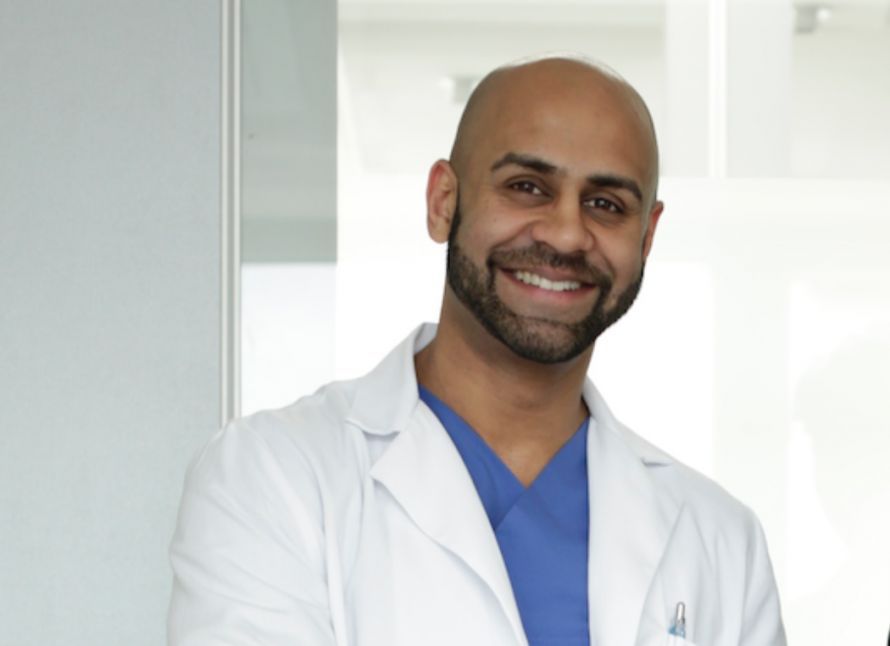
Interventional radiology is a relatively new specialty that is playing an increasingly important role. In Frankfurt am Main, a specialist in the diagnosis, treatment, and prevention of vascular diseases has gained international recognition in this discipline: Arun Kumarasamy, MBA, Chief of Interventional Radiology at Sachsenhausen Hospital in Frankfurt, established the corresponding center of excellence at Sachsenhausen Hospital. His patients experience high quality and medical excellence not only through his vast expertise but also through the well-thought-out organization of the entire clinic. The Leading Medicine Guide spoke with vascular specialist Arun Kumarasamy about the connections between health management and medicine, as well as the new possibilities in interventional radiology.
Leading Medicine Guide: Dr. Kumarasamy, at Sachsenhausen Hospital in Frankfurt, you have established a large, modern center of excellence for the diagnosis, treatment, and prevention of vascular diseases. This is actually quite unusual for a physician, especially since, in addition to your specialty training, you also studied international hospital and healthcare management.
Arun Kumarasamy: While working as a physician in various roles, I repeatedly observed that there is a gap between clinicians and management. They don’t speak the same language; there are communication problems, which often make collaboration difficult. That’s why I also completed this business degree; I really enjoyed it, and structuring and developing the Interventional Radiology department at Sachsenhausen Hospital in such a modern way was a wonderful challenge. But perhaps more on that in a moment.
Leading Medicine Guide: First of all, you became a doctor and had to do something you never wanted to do—but that ended up being the turning point in your career.
Arun Kumarasamy: Exactly. During my clinical rotation, I was supposed to dress diabetic foot wounds, and I really didn’t feel like doing it. But as things often go, one thing led to another. Back then, I thought, “These kinds of symptoms and findings don’t have to be this way—what can be done about them?” During my training in radiology, I developed a keen interest in interventional radiology. This is a relatively new subspecialty of radiology in which we can treat the vascular system with the help of radiological image guidance. These interventions—that is, minimally invasive procedures on blood vessels to treat narrowings and blockages—fascinated me. It turned out that this form of minimally invasive treatment suits me well and brings me a great deal of joy.
Leading Medicine Guide: How does such a talent manifest itself?
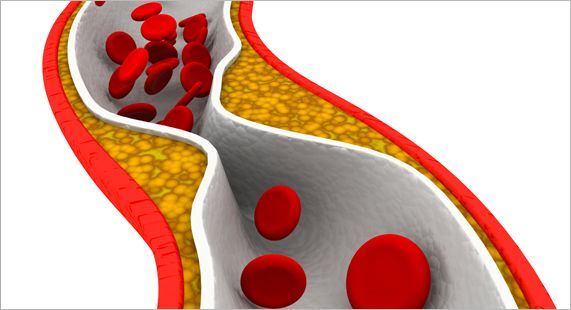
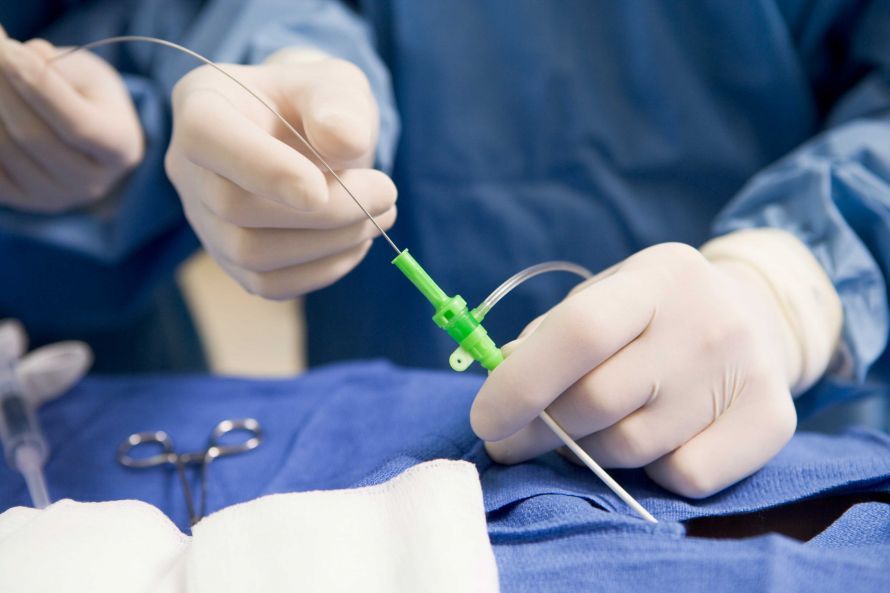
Arun Kumarasamy: Ultimately, it comes down to a special level of technical skill. Through extensive practice, I’ve refined my procedures and can now perform them in a relatively short amount of time. During a procedure, I advance a catheter just a millimeter thick into a blood vessel until I reach the site that needs to be treated. I can monitor everything using angiography. In my work, I’ve focused on the peripheral blood vessels—primarily those in the legs. My specialty, so to speak, has become chronic blockages in the pelvis, thigh, and especially the lower leg and foot arteries. Colloquially, these are patients with what’s known as “window-shop disease,” or, medically speaking, peripheral arterial occlusive disease (PAOD). In this condition, blood flow through the arteries in the limbs is impaired; those affected experience muscle pain even after walking for a short time because the leg or legs are no longer receiving sufficient blood flow. Hence the name “window-shopping disease.” Risk factors include the usual suspects, such as high blood pressure, smoking, and diabetes.
Leading Medicine Guide: What can you do for these patients with today’s medical treatments?
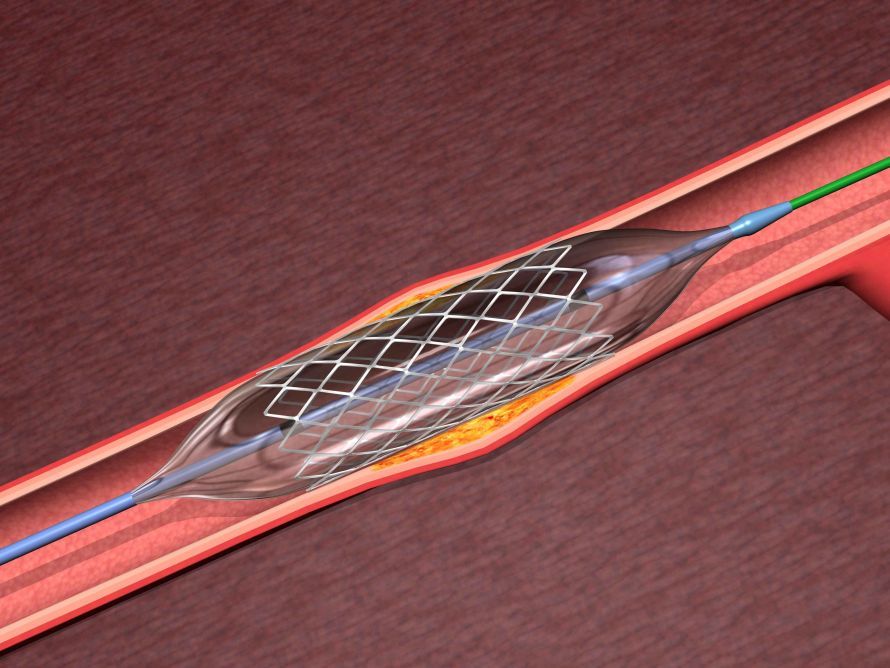
Arun Kumarasamy: The classic procedures—balloon angioplasty and stents—which we use to either dilate or stabilize the narrowed areas. We advance the balloon up to the stenosis and then inflate it for one to two minutes. Then we check whether this has achieved the desired result. With drug-eluting balloons, additional therapeutic steps can be taken at the same time.
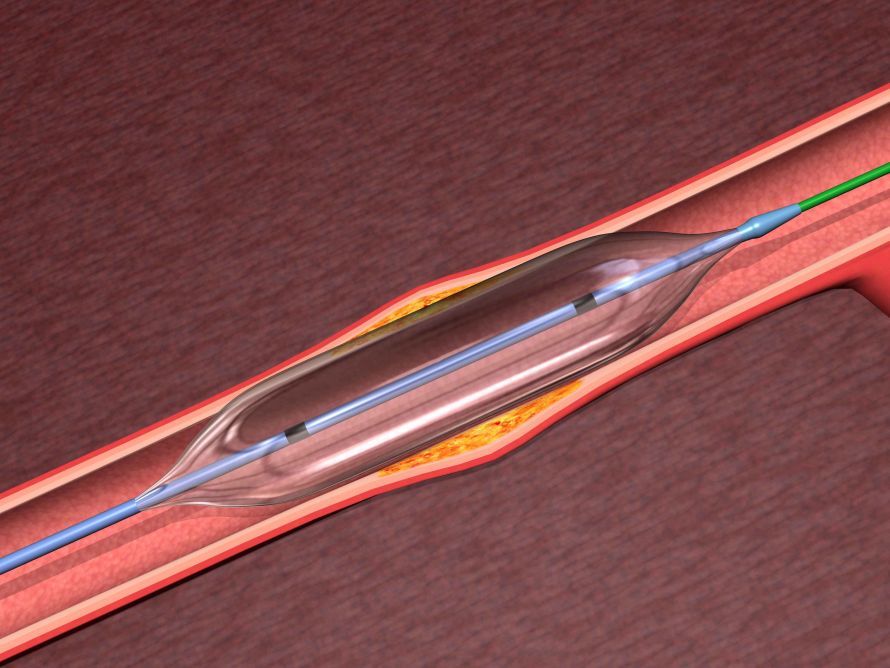
A stent—which is also familiar from other medical fields—is a vascular support that is inserted at the site of the narrowing and remains there permanently. We use almost exclusively state-of-the-art, laser-cut, self-expanding nitinol stents. The implant keeps the artery open; it is elastic and flexible and, over time, integrates completely into the vessel wall. These are the traditional procedures. A new treatment method is catheter-assisted rotational atherectomy, a mini-drilling system that allows us to remove plaque from the blood vessels.
Leading Medicine Guide: In everyday language, people always talk about calcifications in the arteries. Is it really calcium that’s depositing there?
Arun Kumarasamy: Yes, that’s actually the case—it’s a rock-hard material that we, so to speak, drill into and through. A layperson can imagine it like a tunnel boring machine that mills through the narrowings and simultaneously suctions out the loosened calcium deposits. This allows us to reopen the vessels very effectively and, in many cases, spare the patient the need for a stent. After all, stents unfortunately have the drawback that they can close up again. Today’s modern approach is called “Leave nothing behind.”
Leading Medicine Guide: That’s why it’s also important that your patients not only benefit from your medical expertise but also change their lifestyle after the procedure—for example, by quitting smoking and adopting a healthier diet and more physical activity in their daily lives.
Arun Kumarasamy: Yes, but while I can only recommend that, of course, it’s up to each individual to put it into practice. Perhaps a few more words on diabetic foot, which is essentially where my career began. Many amputations in people with diabetes are preventable, especially major amputations. You can save a great many more limbs if you intervene medically early on and treat incipient vascular narrowing or blockages appropriately.
Leading Medicine Guide: You established the Interventional Radiology department at Sachsenhausen Hospital, and in 2017 you began with 240 patient procedures; since then, the number of patients has nearly tripled. Your patients come from both Germany and abroad and are very satisfied with the treatment results. Can you tell us a bit about how it all began?
Arun Kumarasamy: While I was pursuing my MBA, I actually drew up a business plan—just for fun—on how to establish Interventional Radiology as a new unit. My goal was to optimize processes, make workflows more efficient, and design the entire architecture of such a center with function and practicality in mind. Then I presented this model to the hospital management and the board of directors at the time, and they were quite taken aback by what was possible. After that, we dove deeper into the planning, researched the latest technologies, and tested out equipment. Interventional radiology as a hospital department with its own beds—that’s something radiologists generally can’t offer. Interestingly, all the checklists from the industrial sector can be integrated very well into medicine. In medicine, too, we now have a wealth of processes that must interlock and should be structured as sensibly as possible, in a way that saves time and minimizes the risk of errors. There’s so much room for improvement—that fascinates me and spurs me on.
Mr. Kumarasamy, thank you for sharing your innovative ideas on optimizing the treatment of vascular diseases.
You can contact the specialist directly through his profile page on the Leading Medicine Guide.
Share this article
About the medical author
Claudia Dechamps
Editor
Claudia Dechamps – medical author: expert articles, professional insights and medical knowledge in the Leading Medicine Guide.
More about the medical author →Bürgerhospital Frankfurt
ProfileExpert Interviews
Read next
- Expert interview
Cardiogeriatrics: Significance and benefits in the context of hospital reform
Sep 21, 2026
Cardiogeriatrics: Significance and benefits in the context of hospital reform
Read more - Expert interview
Expert Interview with Professor Dr. Amadeus Hornemann, MPH
Sep 18, 2026
Prof. Amadeus Hornemann on Precision Medicine in Gynecology: Modern Surgery, New Techniques, Better Quality of Life
Read more - Expert interview
Expert Interview with Professor Dr. Konstantinos Anagnostakos
Sep 15, 2026
Prof. Anagnostakos on Painful Knee Replacements
Read more