Expert Interviews
Prof. Christian Taube: Breathing affects everyone!

Sabine Schneider ·
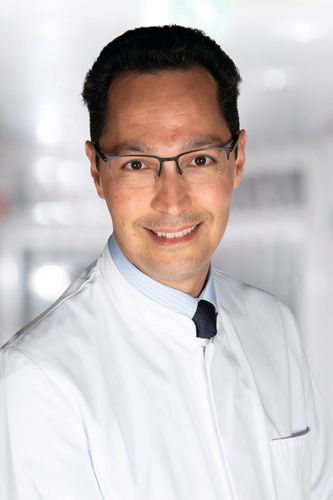
Prof. Christian Taube, M.D., head of the Department of Pulmonology at the Ruhrlandklinik Essen, is an internationally recognizedspecialist in allergology, pulmonology, and lung cancer. The center of excellence he leads treats all types of chronic obstructive and infectious lung and respiratory diseases—including rare lung diseases, occupational lung and respiratory diseases, and genetic disorders of the lungs and pleura. One of his areas of expertise is lung cancer. In an interview with the Leading Medicine Guide, he explains why lung diseases are continuing to rise worldwide.
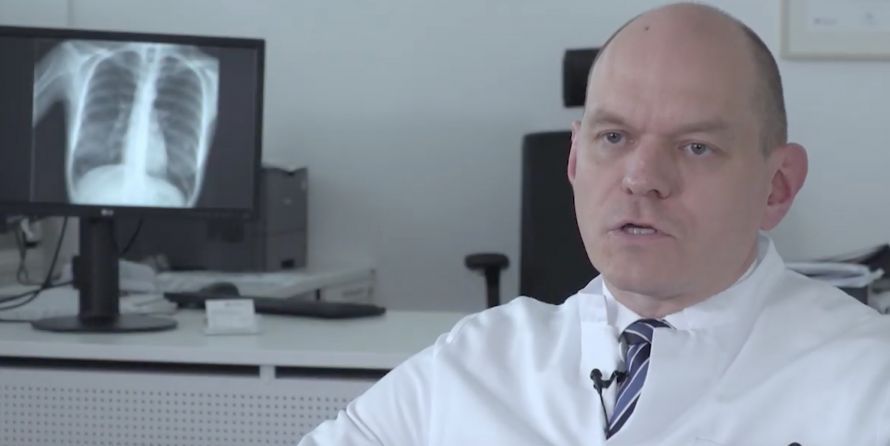
Leading Medicine Guide: Professor Dr. Taube, with well over twenty years of experience in daily clinical practice—have you noticed an increase in respiratory diseases?
Prof. Dr. Christian Taube: Globally, there has been an increase in respiratory diseases, particularly asthma and COPD.
Leading Medicine Guide: And what is the reason for this?
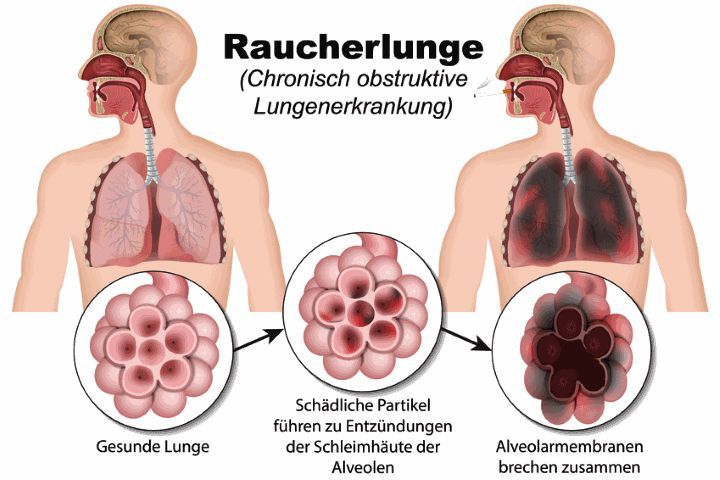
Prof. Dr. Christian Taube: There are various reasons. In the case of COPD, cigarette smoke inhalation is the primary factor. For asthma, an increase in the prevalence of allergies is a key factor.
COPD is an acronym borrowed from English that stands for chronic obstructive pulmonary disease and refers to chronic obstructive bronchitis (also abbreviated as COB).
Leading Medicine Guide: Respiratory diseases are considered one of the leading causes of death worldwide. Does the general public know enough about these diseases?
Prof. Dr. Christian Taube: The significance of respiratory diseases has increased considerably in recent years, but public awareness of them remains insufficient. Take, for example, the acute worsening—or exacerbation—of COPD. For one thing, there is no clear and memorable term for it, such as “heart attack” in cardiology or “stroke” in neurology. With these terms, everyone immediately knows that they refer to life-threatening conditions that require immediate action. In addition, patients with an acute exacerbation of COPD have a poorer prognosis than patients with a heart attack. That is why we take every exacerbation very seriously and ensure that patients receive prompt and effective treatment. It is essential that we raise public awareness of these facts on an even broader scale.
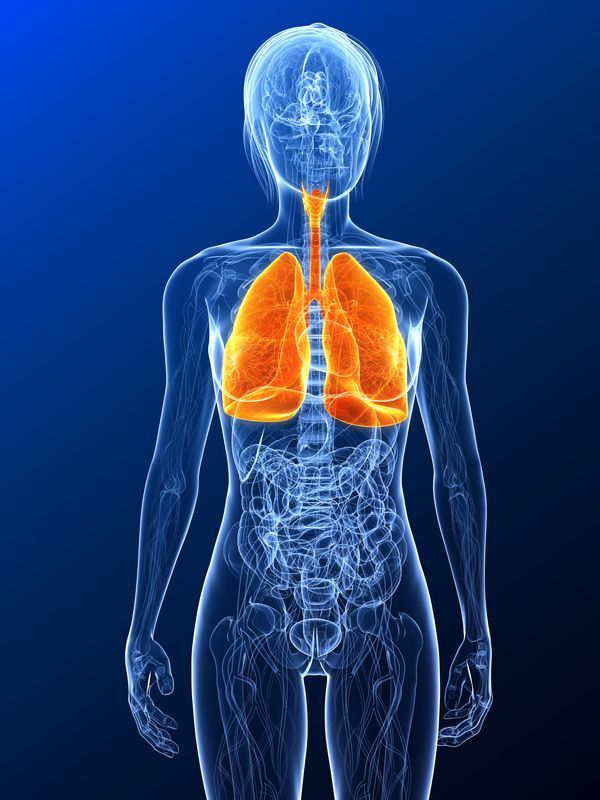
© Sebastian Kaulitzki / Fotolia
Leading Medicine Guide: Which respiratory diseases are treated most frequently?
Prof. Dr. Christian Taube: At Essen University Hospital – Ruhrlandklinik, we treat all kinds of acute and chronic lung diseases. The most common conditions include lung cancer, chronic obstructive pulmonary disease (COPD), asthma, and lung diseases such as pulmonary fibrosis—that is, scarring of the lung tissue. We also treat a large number of patients with rare lung diseases: for example, adult patients with cystic fibrosis, patients with genetic lung diseases such as alpha-1 antitrypsin deficiency, and rare tumors in the chest, such as mesothelioma and sarcomas.
Leading Medicine Guide: You work closely with the Department of Thoracic Surgery, for example, on lung transplants. How important are pre- and post-operative care for the success of these procedures?
Prof. Dr. Christian Taube: In the context of lung transplantation, there is very close collaboration at our West German Center for Lung Transplantation. The Department of Pulmonology plays a key role in preparing patients and providing follow-up care after the transplant. Close patient monitoring is particularly necessary after the transplant to detect potential complications—such as rejection of the transplanted lung—at an early stage and then treat them. Through close collaboration at our center, we strive to ensure optimal patient care.
Leading Medicine Guide: What exactly is a so-called “weaning center” for discontinuing long-term mechanical ventilation?
Prof. Dr. Christian Taube: Thanks to advances in medicine, more and more people are surviving critical illnesses. In many cases, it is necessary to place patients on a ventilator. One challenge, however, is weaning patients off ventilation after prolonged use—that is, helping them breathe independently again. This lengthy process is called weaning.
University Medical Center Essen – Ruhrlandklinik is a certified weaning center where we perform this weaning. Our interdisciplinary team is often successful in this weaning process. However, despite our best efforts, some patients are unable to completely do without mechanical ventilation. In such cases, continued care with long-term mechanical ventilation must be ensured, either at home or in a specialized facility.

Leading Medicine Guide: What particularly fascinates you personally about pulmonology?
Prof. Dr. Christian Taube: I am particularly fascinated by the versatility of the field: It ranges from respiratory diseases, such as asthma and COPD, to changes in lung tissue, such as fibrosis, or disorders of the respiratory pump or blood circulation in the lungs. The biggest challenge is keeping track of all the new medical developments for these conditions. That’s why I’m very happy to be working with a large team of medical specialists at University Medical Center Essen – Ruhrlandklinik, so that we can offer the best possible treatment and comprehensive care for all of these conditions.
That really sounds like an exciting and diverse field of work. Thank you very much for the very informative conversation, Professor Taube! For further questions or to contact him directly, Professor Taube can be reached via his profile page on the Leading Medicine Guide.
Share this article
About the medical author
Sabine Schneider
Editor-in-Chief
Sabine Schneider – medical author: Explore expert articles and medical expertise in the Leading Medicine Guide.
More about the medical author →Expert Interviews
Read next
- Expert interview
Cardiogeriatrics: Significance and benefits in the context of hospital reform
Sep 21, 2026
Cardiogeriatrics: Significance and benefits in the context of hospital reform
Read more - Expert interview
Expert Interview with Professor Dr. Amadeus Hornemann, MPH
Sep 18, 2026
Prof. Amadeus Hornemann on Precision Medicine in Gynecology: Modern Surgery, New Techniques, Better Quality of Life
Read more - Expert interview
Expert Interview with Professor Dr. Konstantinos Anagnostakos
Sep 15, 2026
Prof. Anagnostakos on Painful Knee Replacements
Read more