Expert Interviews
Hernia Surgery

Alexandra Pfitzmann · October 24, 2025
The editorial team of the Leading Medicine Guide had the opportunity to learn more about Professor Dr. Lutz Schneider’s surgical specialty—hernia surgery—during an interview.


Hernias are a common condition in which tissue protrudes through a weak spot in the abdominal wall or other areas of the body. They can have various causes and are often associated with symptoms such as pain or a feeling of heaviness. In many cases, surgical treatment is recommended to prevent complications and permanently resolve the symptoms. Modern surgical techniques enable minimally invasive and effective treatment.
“Hernias often manifest as swelling of the abdominal wall, such as in the navel or groin area. This swelling can cause a pulling pain, but it can also be completely painless at times. A medical evaluation is important in every case, as there is always a risk that the intestine or other tissue could become strangulated, which can constitute a medical emergency. Surgery is not always required immediately, but the urgency of treatment should still be assessed. Various factors play a role here: Pain is an important indicator, but it can also be caused by other factors. “If severe pain occurs or there is even a suspicion of incarceration, immediate action must be taken,” explains Prof. Dr. Schneider at the beginning of our conversation. 
Man in pain_AI-generated
A feeling of pressure or tightness in the area of the hernia is also common, especially with larger bulges. In advanced hernias, pain may occur during certain movements, such as bending over or straining, and in some cases there is a risk of incarceration or strangulation, which can be accompanied by acute, severe pain, nausea, vomiting, pallor, or a distended abdominal wall. It is advisable to see a doctor as soon as the first symptoms appear or a visible bulge is noticed, in order to evaluate the hernia and assess the risk of potential complications.
Prof. Dr. Schneider adds: “Hernias develop at natural weak points in the body. One example is the navel, which has a small opening during development in the womb through which the embryo was nourished. The same is true for channels for blood vessels or vestigial structures, such as those along the groin in women. These potential weak spots can stretch over time, allowing not only the tissue originally intended to pass through but also other structures to enter through these openings—resulting in a hernia. Conservative treatment is not advisable in this case, as it is a purely mechanical problem that cannot be resolved without surgical intervention.”
Various surgical procedures are available for treating hernias, and the choice depends on the type, size, and location of the hernia, as well as on the patient themselves.
Traditionally, open surgery is performed through an incision in the area of the hernia, during which the protrusion is removed and the abdominal wall is reinforced. Various reinforcement techniques are used here, such as the insertion of a mesh to increase the stability of the abdominal wall and prevent recurrence.
“There are essentially two approaches to the surgical treatment of hernias: open and minimally invasive procedures. The choice of method depends on various factors, including the location and size of the hernia, as well as previous abdominal surgeries. Umbilical hernias are usually treated with open surgery, as minimally invasive techniques offer few advantages in these cases. For inguinal hernias, however, the minimally invasive method is often the preferred option. However, very large hernias or previous abdominal surgeries may rule out the minimally invasive approach in some cases, making open surgery the more appropriate choice. Minimally invasive surgeries, such as the TEPP method, are performed through three small incisions of one to two centimeters on the abdomen. The procedure does not involve operating directly through the abdominal cavity; instead, a space is created above the peritoneum to access the hernial defect. The prolapsed tissue is carefully repositioned back into the abdominal cavity. A special mesh is then placed over the hernia defect, permanently sealing the weak spot. This mesh remains in the body permanently and ensures that the hernia remains securely closed over the long term, significantly reducing the risk of a recurrence. Minimally invasive procedures clearly have the advantage that, compared to open surgery, they usually leave smaller scars, cause less tissue trauma, and often allow for a faster recovery. “Patients can generally resume their normal activities more quickly, while medical safety is ensured by the precise placement of the mesh,” explains Prof. Dr. Schneider. 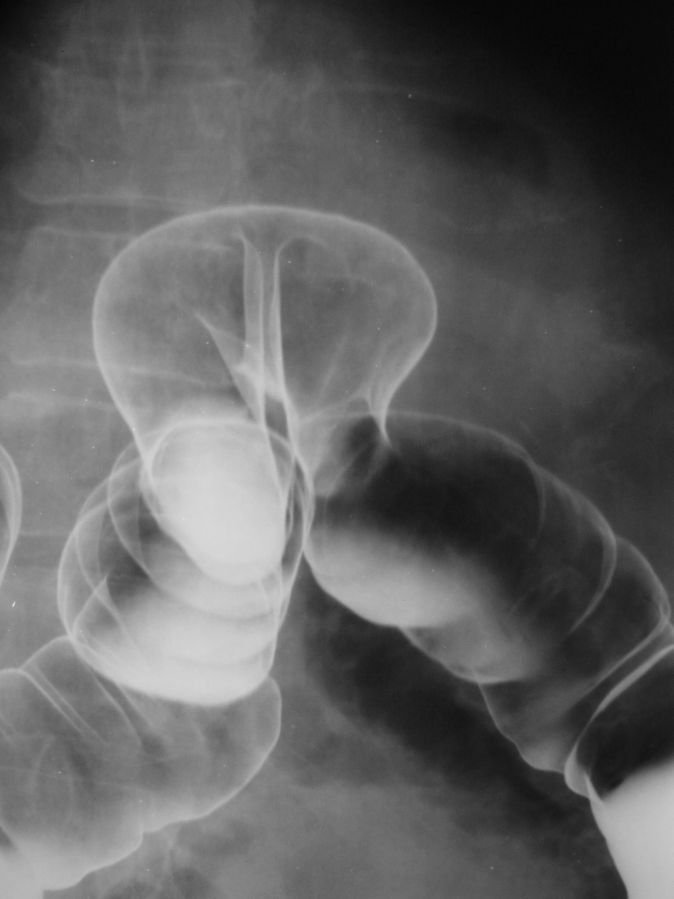
Hernia surgery, like any surgical procedure, carries certain risks and potential complications.
Hernia specialist Prof. Dr. Schneider explains: “In addition to the usual surgical risks, some specific complications can occur after hernia surgery. The risk of a hernia recurring is just under two percent for all methods. Other possible complications include bruising, inflammation, or injury to the spermatic cord. However, damage to the spermatic cord generally does not affect fertility as long as the other one remains intact, and sexual function is not impaired either. After surgery, it is important to take it easy for about four to six weeks, during which time heavy lifting should be avoided so as not to jeopardize healing. As a general guideline, loads of three to five kilograms should not be exceeded, depending on the type of procedure and the individual’s condition. If too much strain is placed on the body during this early phase, there is a risk that the implanted mesh could shift, which may require another surgery under certain circumstances. After that, however, a return to normal activities is usually possible without any problems,” he adds:
“There is essentially no specific way to prevent a hernia. Although many people believe that heavy lifting or certain behaviors cause a hernia, it is actually more of a matter of chance. Some people develop a hernia, others never do, and there is no way to reliably prevent one by changing one’s behavior. Therefore, avoiding certain activities for the rest of one’s life to prevent a hernia would be neither sensible nor effective.”
The recovery period after hernia surgery varies from person to person, but it generally lasts several weeks. The first few days after surgery are often marked by rest, reduced activity, and pain, which can usually be well managed with pain medication. During the first one to two weeks, it is recommended to avoid physical exertion, heavy lifting, and strenuous activities so as not to compromise wound healing.
To minimize the recurrence rate, careful surgical planning and the selection of an appropriate procedure are crucial. The use of a high-quality mesh to reinforce the abdominal wall has proven effective in increasing stability and preventing recurrence. For larger hernias, reinforcement with mesh is often essential. The suturing technique is also important: a stable, multilayered suture and the use of absorbable or durable materials help ensure wound stability.
Hernias occur more frequently in men than in women, particularly inguinal hernias. The reason lies in anatomy.
Prof. Dr. Schneider comments on this: “Hernias occur predominantly in middle age. In general, men are affected more frequently, especially with inguinal hernias, since more structures—such as the spermatic cord and blood vessels—pass through the natural opening in the abdominal wall, making this area more vulnerable. In women, this opening is smaller and is usually traversed only by the round ligament (ligamentum rotundum). Umbilical hernias follow a different pattern: they occur more frequently after pregnancy, as the abdominal wall is subjected to particular strain during this time. In general, however, there are only minor differences between the sexes when it comes to umbilical hernias.”
The Schneider Surgical Practice in Heidelberg places special emphasis on offering hernia surgery on an outpatient basis, which is still relatively rare today, especially for minimally invasive procedures. 
“Every step—from the initial examination through the detailed consultation to the surgery—is managed by the same doctor, ensuring that patients receive personalized, continuous care. This guarantees not only medical precision but also a high degree of trust and security. The practice is designed so that wait times are generally very short, and thanks to easy accessibility and a modern, pleasant atmosphere, patients’ visits are made as comfortable as possible. The scheduling of surgery is based on the patient’s individual findings and level of discomfort: If the hernia is not yet urgent, the surgery can be scheduled flexibly, which is particularly advantageous for working professionals or patients with family obligations. “With approximately 250 surgeries per year for inguinal and umbilical hernias, I personally have extensive experience and expertise, enabling patients to benefit from a high standard of care,” Prof. Dr. Schneider concludes.
Thank you very much for this important information, Professor Dr. Schneider!
- Prof. Dr. Lutz Schneider: an experienced surgeon with over 20 years of expertise in Heidelberg
- Director of the Heidelberg Surgical Practice since 2021, patient-centered& innovative
- Specializes in hernia and vein surgery, minimally invasive procedures,hand and superficial surgery
- Gentle, precise procedures that take both health andaesthetics into account
- Practice at the Salutem Health Center: interdisciplinary team, highstandards, personalized care
Share this article
About the medical author
Alexandra Pfitzmann
Editor
Alexandra Pfitzmann – medical author: expert knowledge, professional articles and medical insights in the Leading Medicine Guide.
More about the medical author →Expert Interviews
Read next
- Expert Interviews
Expert Interview with Professor Dr. Amadeus Hornemann, MPH
Sep 18, 2026
Prof. Amadeus Hornemann on Precision Medicine in Gynecology: Modern Surgery, New Techniques, Better Quality of Life
Read more - Expert Interviews
Expert Interview with Professor Dr. Konstantinos Anagnostakos
Sep 15, 2026
Prof. Anagnostakos on Painful Knee Replacements
Read more - Expert Interviews
Expert Interview with Professor Karl Philipp Kutzner, M.D.
Sep 11, 2026
Prof. Kutzner on Cutting-Edge Endoprosthetics at ENDOPROTHETICUM Mainz
Read more