Expert Interviews
When Your Eyes Itch and Water: What's Behind "Eye Flu"

Sabine Schneider ·
The eyes can also catch a viral infection—but how? And how do you get rid of it? First of all: “eye flu” presents with redness, itching, and watery eyes. In addition, the eyes hurt and the eyelids are swollen. About two weeks after infection, the first symptoms of viral conjunctivitis—as “eye flu” is called—appear. But then the symptoms worsen very quickly: what started as mild redness and watery, itchy eyes now develops into more severe inflammation, and vision is also impaired.

Prof. Ludwig Heindl, M.D., is a professor of ophthalmology at the University Hospital of Cologne. He is a nationally and internationally renowned expert in the field of ophthalmic oncology—that is, a specialist in tumors on and in the eye—and in ophthalmic plastic surgery at the University Hospital of Cologne. Prof. Heindl is thus an outstanding eye specialist who deals with complex conditions affecting the eye. Today, in an interview, he explains what “eye flu” is all about.
Leading Medicine Guide: What is “eye flu”? And how common is it?
Prof. Dr. med. Ludwig Heindl: “Eye flu” refers to conjunctivitis—an inflammation of the conjunctiva—which is primarily caused by adenoviruses. It is an eye condition that occurs year-round and worldwide, spreading rapidly—especially due to poor hygiene. However, local and seasonal outbreaks are frequently observed.
Leading Medicine Guide: So does that mean handwashing is a good preventive measure?
Prof. Dr. med. Ludwig Heindl: Hygiene is the be-all and end-all: washing your hands, but also ensuring that the ophthalmologist’s instruments are properly cleaned. Disinfection and sterilization are, of course, preventive measures. This is because adenoviruses are highly infectious and can be transmitted through respiratory droplets.
Leading Medicine Guide: How can I tell if I have “eye flu” rather than a simple cold? 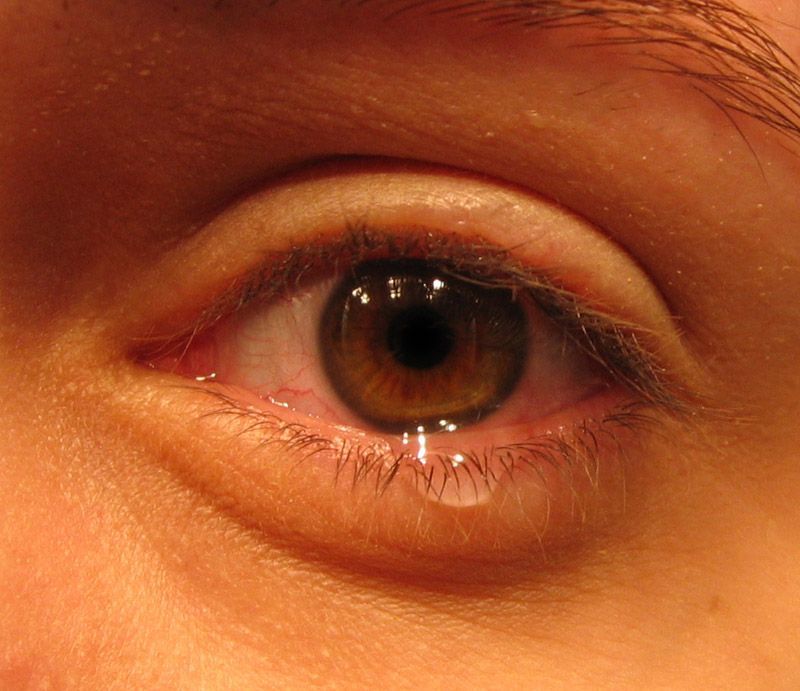
Prof. Dr. Ludwig Heindl: In fact, this distinction isn’t always easy to make at first. With “eye flu,” you experience similar symptoms, such as body aches, fever, malaise, and watery eyes. On top of that, the eye flu doesn’t really become noticeable until a few weeks later: The eye is red, itchy, swollen, and watery. It feels as though there’s a foreign object in the eye, and vision is blurry. Inflammation can also occur in the ear, the lymph nodes, the throat, and the cornea. As a long-term consequence, small opacities—like a starry sky—can disrupt the field of vision, and chronic corneal immune complexes may even develop.
Leading Medicine Guide: Is it true that a suspected case of “eye flu” must be reported immediately?
Prof. Dr. med. Ludwig Heindl: In many federal states, there is a mandatory reporting requirement to the relevant public health department as soon as the suspicion is confirmed. Sometimes the clinical findings alone are sufficient. A rapid adenovirus test can quickly detect a viral infection. It works much like a pregnancy test, but uses tear fluid. However, this procedure is still relatively rarely used due to its high cost.
Leading Medicine Guide: What does treatment look like? What should be kept in mind?
Prof. Dr. med. Ludwig Heindl: It’s still relatively difficult to treat eye flu. The first line of treatment is artificial tears. However, it’s always important to follow proper hygiene measures. It’s better to disinfect one more time and wash your hands thoroughly with soap to prevent the viruses from spreading further. However, if you have contracted eye flu yourself, you are of course unable to work and should avoid large crowds as much as possible. 
Thank you for the interesting conversation! Learn more and visit the profile of eye specialist Prof. Dr. Heindl in the Leading Medicine Guide!
Share this article
About the medical author
Sabine Schneider
Editor-in-Chief
Sabine Schneider – medical author: Explore expert articles and medical expertise in the Leading Medicine Guide.
More about the medical author →Clear Vision Cologne
ProfileExpert Interviews
Read next
- Expert interview
Cardiogeriatrics: Significance and benefits in the context of hospital reform
Sep 21, 2026
Cardiogeriatrics: Significance and benefits in the context of hospital reform
Read more - Expert interview
Expert Interview with Professor Dr. Amadeus Hornemann, MPH
Sep 18, 2026
Prof. Amadeus Hornemann on Precision Medicine in Gynecology: Modern Surgery, New Techniques, Better Quality of Life
Read more - Expert interview
Expert Interview with Professor Dr. Konstantinos Anagnostakos
Sep 15, 2026
Prof. Anagnostakos on Painful Knee Replacements
Read more