News
The Flu and Colds in Winter: Staying Healthy During the Cold Season

Melanie Al Tikriti, BSc ·
Tips and steps to prevent colds and the flu and protect yourself.
During the winter months, cold weather doesn’t just mean feeling chilly—it also brings an increased risk of the flu and colds because our immune systems are under particular strain at this time. Coughs, runny noses, and fevers occur more frequently, especially in communal settings such as nursing homes, offices, or schools.
With proper hygiene, a strong immune system, and timely preventive measures, the risk of infection can be significantly reduced.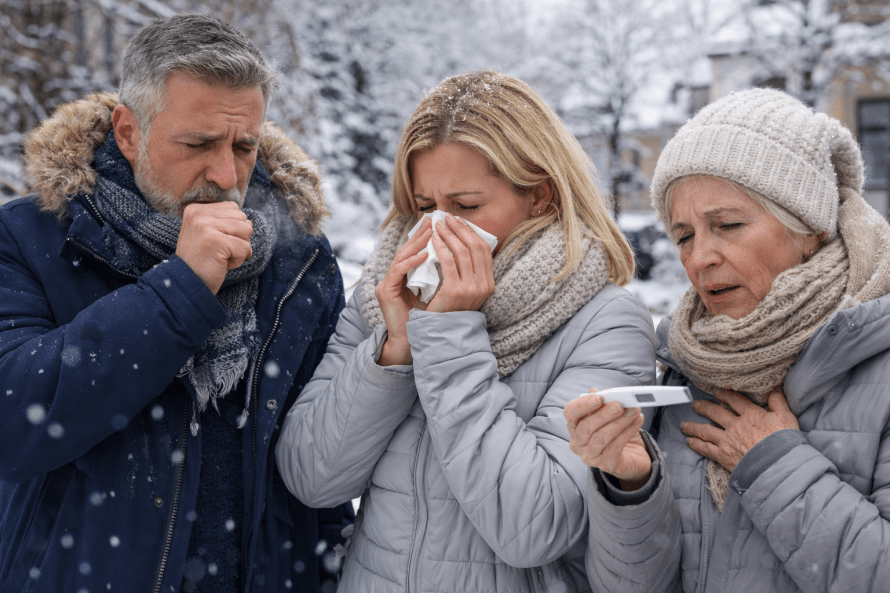
Flu or Cold—The Differences
It’s important to distinguish between the flu and a common cold, as they progress differently.
Flu (Influenza)
The flu is an acute viral infection that usually strikes very suddenly. Those affected typically experience:
- a high fever
- severe joint and muscle pain, accompanied by a headache
- a cough
- a sore throat
- extreme fatigue and exhaustion
Common cold
Colds usually develop gradually. Typical signs include:
- Runny nose
- mild cough
- occasional fever or sore throat
Colds usually subside after 7–10 days, while the flu can last 1–2 weeks.
If you have a persistent high fever, shortness of breath, or a sudden worsening of symptoms, you should definitely seek medical advice.
How Infections Spread
- Droplet transmission through coughing, sneezing, or speaking
- Contact transmission via hands, doorknobs, or surfaces
- Close contact in enclosed spaces
Myths About the Flu and the Common Cold
There are persistent myths surrounding the flu and the common cold that can lead to inappropriate behavior. Many people believe that you “catch a cold” solely from the cold, even though viruses are the actual cause.
The belief that you have to “sweat out” the flu can also be problematic, since when you have a fever, your body needs rest and plenty of fluids above all else.
Education helps people assess illnesses more realistically and take appropriate action.
Prevention: Staying Healthy Through Flu Season
Practice good hygiene consistently
Washing your hands regularly for at least 20 seconds significantly reduces the spread of viruses. Rooms should be ventilated frequently to bring in fresh air.
People who spend a lot of time in heated, enclosed spaces should also make sure the air doesn’t get too dry. Humidifiers or simple bowls of water can help. Tissues should be disposed of immediately.
Boost Your Immune System
- A balanced diet rich in fruits, vegetables, and vitamin C
- Daily exercise (including short walks)
- Adequate sleep
- Stress reduction
Get a flu shot—especially if you’re in a high-risk group
The following groups are at particularly high risk of severe illness:
- older adults
- Infants
- Pregnant women
- People with chronic conditions (e.g., diabetes, cardiovascular or lung diseases)
- People with weakened immune systems (e.g., due to medications or pre-existing conditions)
For high-risk groups, it is important to recognize infections as early as possible and seek medical advice at the first sign of symptoms. In addition, the annual flu vaccine is strongly recommended, as complications such as pneumonia or severe illness can occur more frequently.
Act quickly if symptoms appear
- Stay home to avoid infecting others
- Drink plenty of fluids
- Eat easily digestible foods
- Get plenty of rest
- Use fever reducers only as directed by a doctor
Why Antibiotics Don’t Help with the Flu and Colds
Antibiotics are effective only against bacteria—but the flu and colds are caused by viruses. Taking them unnecessarily therefore offers no benefit, but can cause side effects and contribute to the development of antibiotic resistance.
With viral infections, it is especially important to take it easy and specifically alleviate symptoms. Medications for fever or pain can provide relief, but they are no substitute for adequate rest.
If you’re unsure, you should always seek medical advice to rule out a secondary bacterial infection.
Conclusion: Prevention Pays Off
The flu and colds are a normal part of winter, but their severity can be significantly reduced through targeted preventive measures, good hygiene, and mindful management of one’s energy levels.
Those who pay attention to their body’s warning signs early on, take infections seriously, and allow themselves sufficient time to recover can avoid complications. This way, despite the increased risk of infection, the cold season can be spent in a healthier and more stable manner overall.
Share this article
Verified expertise
Recommended specialists
2 specialists
2 results

GASSMANN MEDICAL
Münstertal (Black Forest)


News
Read next
- News
Scabies: A contagious skin disease that is easily treatable
Oct 26, 2026
Severe itching and minor skin changes should be taken seriously
Read more - News
Heat Rash: What's Behind the Itchy Blisters
Oct 23, 2026
Heat Rash: Heat and Sweat Can Disrupt the Skin's Balance
Read more - News
Enlarged Prostate – When Medication Is Sufficient and When Surgery Is Recommended
Oct 21, 2026
Why Many Men Ignore Urinary Problems for Too Long
Read more