News
Why Caution Can Be Vital When Picking Mushrooms

Melanie Al Tikriti, BSc ·
For many people, a walk through the woods and a well-filled mushroom basket are simply part of late summer and fall. Whether porcini, chanterelles, or parasol mushrooms—mushrooms you’ve picked yourself are considered a special delicacy. However, every year there are numerous cases of mushroom poisoning because edible and poisonous mushroom species are mistaken for one another. Often, a single poisonous mushroom is enough to cause serious health consequences.
What makes this particularly treacherous is that some dangerous mushrooms are virtually indistinguishable from edible varieties. Furthermore, the first symptoms do not always appear immediately after consumption. It is precisely these delayed symptoms that can indicate severe poisoning and require immediate medical attention.
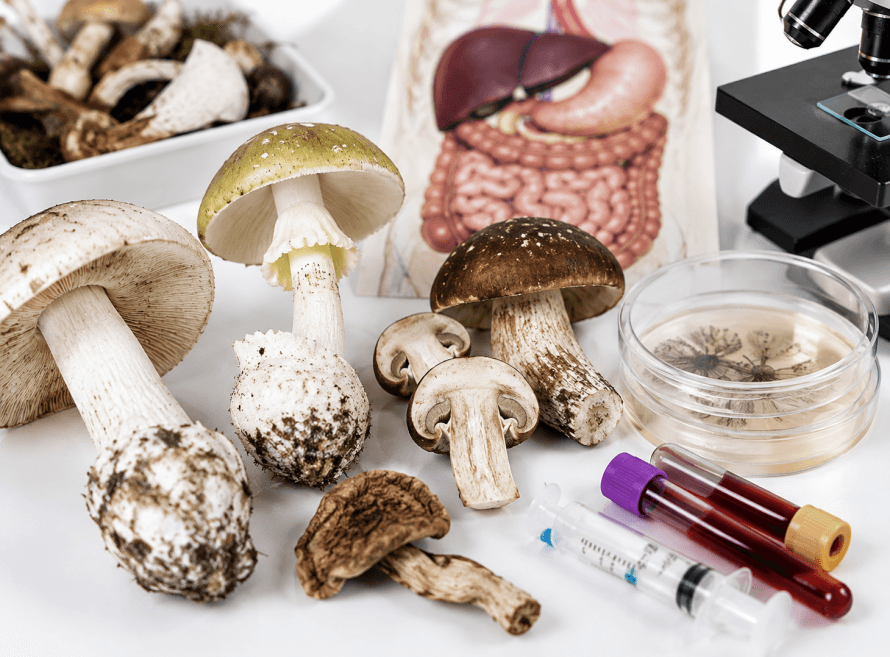
Image generated by AI
What is mushroom poisoning?
Mushroom poisoning is not food poisoning in the traditional sense, but rather the effect of natural toxins found in certain types of mushrooms. Depending on the mushroom, these toxins can damage the gastrointestinal tract, the nervous system, the liver, or the kidneys.
However, not every symptom following a mushroom meal automatically means poisoning. Spoiled mushrooms, improper storage, or individual intolerances can also cause similar symptoms.
Which mushrooms are particularly dangerous?
The green death cap is among the most dangerous poisonous mushrooms in Europe. It is responsible for most fatal cases of mushroom poisoning. Its toxins primarily attack the liver and, if left untreated, can lead to life-threatening liver failure. Since this mushroom visually resembles edible species, mix-ups occur time and again. The cone-capped death cap, various agarics, and certain webcaps also contain highly toxic substances.
What are the symptoms of mushroom poisoning?
The symptoms depend on the type of mushroom ingested, the amount consumed, and the specific toxin involved. Sometimes symptoms appear as early as 30 minutes after ingestion; other times, they do not appear until six to 24 hours later.
Typical signs of mushroom poisoning include:
- Nausea and vomiting
- severe abdominal pain
- Diarrhea
- Dizziness
- Headaches
- Circulatory problems
- Sweating
- Confusion or hallucinations
- Seizures
Symptoms that don’t appear until many hours after eating are particularly dangerous. They may indicate the presence of toxins that damage the liver and kidneys. After an apparent improvement, the person’s condition can suddenly take a drastic turn for the worse. Therefore, delayed symptoms should never be underestimated.
What should you do if you suspect mushroom poisoning?
If symptoms develop after eating mushrooms, seek medical help immediately. The sooner treatment begins, the better the chances of recovery. Under no circumstances should those affected try to induce vomiting on their own or rely on home remedies. It is, however, advisable to save any leftovers from the mushroom meal or uncooked mushrooms. These can help doctors or mushroom experts identify the specific mushroom causing the poisoning and tailor treatment accordingly.
Children, older adults, and people with pre-existing medical conditions, in particular, should seek immediate medical evaluation even if they experience only mild symptoms.
How is mushroom poisoning treated?
Treatment depends on the type of poisoning and the affected person’s overall health. The initial focus is on stabilizing circulation and replenishing lost fluids and electrolytes. In addition, activated charcoal or—depending on the toxin—specific medications may be administered.
In cases of severe poisoning, liver and kidney function are closely monitored. In rare cases, intensive care or even a liver transplant may be necessary.
How can mushroom poisoning be prevented?
The most important precaution is to collect only mushrooms that can be clearly identified. If you’re unsure, it’s better to leave any mushrooms you find where they are. Even mushroom identification apps or photos on the internet are no substitute for a reliable identification, since many edible and poisonous species can only be distinguished by subtle characteristics. Freshly picked mushrooms should be prepared as soon as possible, stored in a cool place, and thoroughly cooked.
Conclusion: Recognize mushroom poisoning early and take the right action
Mushroom poisoning can be harmless, but in some cases it can be life-threatening. Symptoms that appear later are particularly dangerous, as they often indicate severe organ damage. Anyone who develops symptoms after eating mushrooms should therefore not wait but seek medical help immediately. With an early diagnosis and individually tailored treatment, severe cases can often be prevented. Those who exercise caution when foraging for mushrooms and only collect those that can be clearly identified can significantly reduce the risk of mushroom poisoning.
Share this article
News
Read next
- News
Whiplash: Why Pain Often Doesn't Start Until Hours Later
Oct 15, 2026
Whiplash: Neck pain often does not appear immediately
Read more - News
Kissing Disease: Recognizing Symptoms and Treating It Properly
Oct 12, 2026
Pfeiffer's Glandular Fever: This viral infection can take a toll on the body for weeks
Read more - News
Parkinson's Disease – Modern Therapies and New Treatment Options
Oct 9, 2026
Parkinson's: Why an Early Diagnosis Can Have a Positive Impact on the Course of the Disease
Read more