News
Swollen Lymph Nodes: Harmless—or Time to See a Specialist?

Dorina Marlen Heller ·
Swollen lymph nodes? Many people are alarmed at first. But in most cases, the causes are completely harmless. In some cases, however, swollen lymph nodes can also be a sign of serious illness. In such cases, a visit to the doctor is strongly recommended. It’s helpful to be able to consult a proven specialist—one recommended by the Leading Medicine Guide.
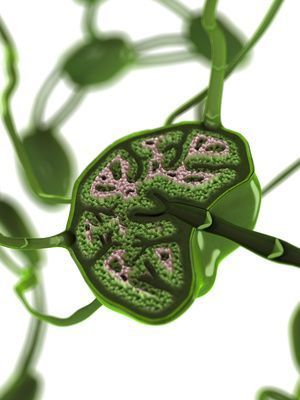
Our lymph nodes are bean-shaped structures embedded in our fatty and connective tissue, found individually or in chains along our lymphatic vessels. They are part of our immune system and play an important role in defending against infections. In their normal state, we are completely unaware of our lymph nodes, even though they are constantly at work protecting our bodies from disease.
Functions of Lymph Nodes
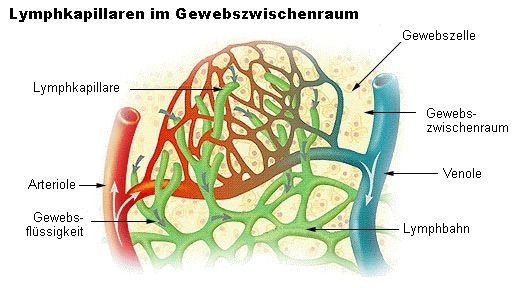
The most important function of our lymph nodes is to cleanse and filter interstitial fluid, known as lymph. Our body produces nearly five liters of this interstitial fluid every day. It flows through the lymphatic system, which functions like a kind of “sewer system.” Of our 600 to 700 lymph nodes, each one is responsible for cleansing the interstitial fluid of a specific region of the body or an organ. They cleanse the “interstitial fluid” before it re-enters the bloodstream. Pathogens and even cancer cells are flushed by the lymph into the nodes, where they are trapped. In the lymph nodes, immune cells are then activated and stimulated to produce antibodies. As a result, the lymph nodes swell.
Causes of Swollen Lymph Nodes
So when our lymph nodes swell, it initially means that they are particularly active and our immune system is working at full capacity. Swelling can occur, for example, as part of a viral infection—such as measles, rubella, or mononucleosis. Swollen lymph nodes can also indicate a bacterial infection, such as tonsillitis, chlamydia, or even tuberculosis. Sometimes, however, the cause is much more serious: In rare cases, swollen lymph nodes can be a sign of lymph node or lymph gland cancer. The location of the swollen lymph nodes provides clues as to the affected region of the body—an experienced specialist can recognize this immediately.
When should you see a doctor?
If the swelling has not subsided after three weeks at the latest, you should see a doctor. This is especially true if, in addition to the swollen and tender lymph nodes, other symptoms are present—such as persistent fatigue, fever, or unintentional weight loss. In such cases, it is advisable to get examined. The treating doctor can determine the cause and decide on the next steps in treatment.
Seeing a Specialist: Diagnosis of Swollen Lymph Nodes
To determine the cause of swollen lymph nodes, it is important to first examine the affected nodes by touch—a procedure known as palpation. Some lymph nodes are located very close to the skin’s surface, so they can be easily felt when they are enlarged. The consistency and surface texture, mobility, and tenderness of the lymph nodes provide clues as to the cause of the swelling. If the cause cannot be determined through palpation, further tests are necessary—such as a blood test or the collection of tissue samples. Of course, if cancer is suspected, imaging techniques are used, such as magnetic resonance imaging (MRI) and computed tomography (CT).
How can lymph node cancer be treated?
If lymph node cancer is detected early, the chances of a cure range from seventy to ninety percent. The treatment approach depends heavily on the severity, stage, and location of the tumor. Chemotherapy is often used. In serious cases, you can count on competent experts who will support you with their expertise and many years of experience:
For example, the internationally renowned cancer expert Prof. Dr. med. Ullrich Graeven, who serves as a specialist in hematology, oncology, gastroenterology, and medical oncology at the Department of Hematology, Oncology, and Gastroenterology at the Maria Hilf Clinics in Mönchengladbach. He has made a name for himself primarily as the director of the clinic’s Oncology Center and possesses a high level of expertise, particularly at the intersection of blood disorders and cancer. His areas of expertise also include the treatment of all diseases of the lymphatic system. This makes him exactly the right person to consult for leukemias, lymphomas, and solid tumors. Prof. Graeven is familiar with all modern diagnostic techniques and is particularly adept at quickly identifying malignant diseases—such as acute leukemia.

If needed, simply contact one of the listed physicians directly; the specialists at the Leading Medicine Guide will be happy to provide you with competent assistance!
Share this article
About the medical author
Dorina Marlen Heller
Editor
Dorina Marlen Heller – author: Explore expert medical articles in the Leading Medicine Guide.
More about the medical author →News
Read next
- News
Parkinson's Disease – Modern Therapies and New Treatment Options
Oct 9, 2026
Parkinson's: Why an Early Diagnosis Can Have a Positive Impact on the Course of the Disease
Read more - News
Kidney Stones – Modern Treatments, from Shock Waves to Lasers
Oct 7, 2026
Why Sudden, Severe Flank Pain Can Be a Warning Sign
Read more - News
Retinal Detachment: Flashes of Light Can Jeopardize Vision
Oct 5, 2026
Retinal Detachment: Quick Action Can Save Your Eyesight
Read more