Manual medicine is a proven treatment method based on the targeted application of manual techniques by specially trained physicians and physical therapists. This form of therapy is particularly effective for functional disorders of the musculoskeletal system, such as back, joint, and muscle pain. Manual medicine is a gentle alternative to medication and invasive therapies, and is frequently used to treat chronic conditions. It aims to restore natural mobility and relieve pain by correcting misalignments and blockages.
Below you will find further information on manual medicine as well as a selection of specialists.
What Is Manual Medicine?
Manual medicine, also known as manual therapy, encompasses a wide range of techniques used to treat functional disorders of the musculoskeletal system. These techniques involve targeted, often gentle manual maneuvers applied, for example, to the spine, joints, or muscles. The goal is to release blockages and improve range of motion. This form of therapy is primarily performed by specialists in orthopedics and trauma surgery, as well as by specially trained physical therapists.
Important: Manual medicine is not a separate medical discipline, but rather a specific treatment method used as part of comprehensive orthopedic or physical therapy treatment.
When is manual medicine used?
Manual medicine is used for a wide range of conditions resulting from functional disorders of the musculoskeletal system. It is particularly common in the following conditions:
- Back pain, particularly in cases of spinal blockages
- Joint pain, for example, in cases of osteoarthritis
- Muscle tension
- Headaches caused by tension in the neck and shoulder area
- Symptoms following sports injuries
Because of its gentle approach, manual medicine is suitable for both acute and chronic conditions. It can often complement or even replace medication.
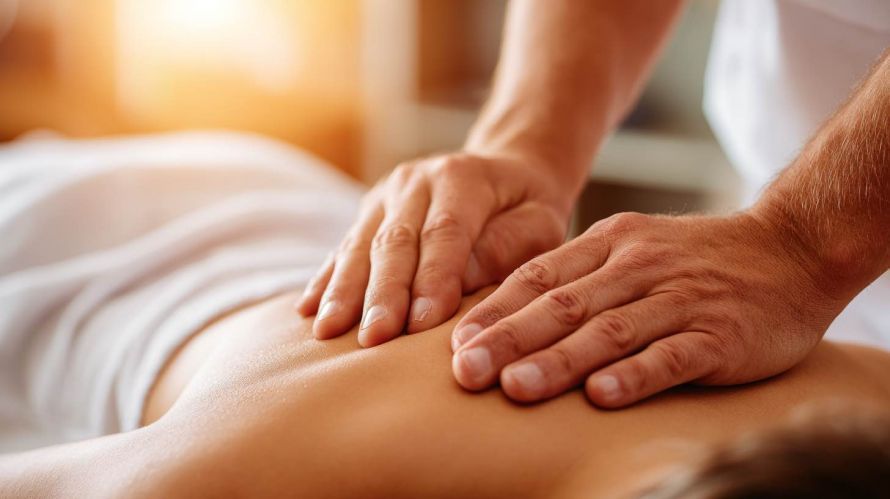
Gentle, manual medical techniques for treating functional disorders of the musculoskeletal system.
Treatment Goals
The main goal of manual medicine is to restore freedom of movement. Functional disorders of the joints, muscles, or spine are corrected through targeted manipulations and mobilizations to restore natural mobility. In addition, the therapy aims to:
- relieve pain by releasing tension and blockages in the musculoskeletal system
- improve blood circulation and metabolism in the affected tissue
- activate the body’s self-healing abilities
Through this holistic approach, manual medicine not only provides short-term pain relief but also aims to improve the long-term function and stability of the musculoskeletal system.
Methods of Manual Medicine
Manual medicine encompasses various techniques that are applied individually depending on the symptoms and clinical picture. Among the best-known methods are:
- Manipulation techniques: These involve using short, targeted movements to release a blockage in a joint or along the spine. Manipulation is often accompanied by an audible “crack,” which indicates that the blockage has been released.
- Mobilization: This gentler technique aims to improve the mobility of a joint through repeated, slow movements without applying excessive force.
- Soft-tissue techniques: Stretching and applying pressure to muscles and tendons relieve tension and promote blood circulation.
- Fascia treatment: This involves releasing adhesions in the connective tissue (fascia), which leads to improved mobility and pain relief.
Manual medicine is often combined with other treatment methods, such as osteopathy, physical therapy, or medical exercise therapy.
Procedure and Aftercare for Manual Treatment—Medically Supervised by a Physician, Even for Chronic Conditions
Treatment Procedure
A manual medicine treatment typically begins with a thorough examination by a physician or physical therapist. This examination focuses not only on the painful area but also assesses the entire musculoskeletal system for misalignments and blockages.
This is followed by the actual treatment, which can last between 15 and 45 minutes, depending on the technique used. The manual maneuvers are generally pain-free; however, mild, temporary pressure pain may occur only in cases of severely tense muscles.
What to Do After Treatment
After manual therapy, you should pay close attention to your body. Light physical activity, such as walks or stretching exercises, can support the therapy and help eliminate the released blockages in the long term. At the same time, you should avoid heavy physical exertion and intense workouts in the first few days after treatment.
Manual medicine is often integrated into a long-term rehabilitation program that includes regular exercises to strengthen and stabilize the treated areas.
Benefits and Risks of Treatment – Manual Medicine Techniques for Conditions Treated in Medical Physical Therapy
Benefits of Manual Medicine
Manual medicine offers noticeable therapeutic benefits for many conditions and complaints of the musculoskeletal system. Professional associations such as the German Society for Manual Medicine (DGMM) emphasize that restrictions in movement, muscular tension, and functional disorders in particular can be treated gently. Through targeted manual techniques, physicians can release blockages, improve mobility, and significantly reduce acute pain.
The method is effective for both acute and chronic conditions because it addresses not only structural but also musculoskeletal functional disorders. The treatment resembles chiropractic therapy in some respects, but it is more precise, has a stronger medical foundation, and is integrated into a comprehensive therapeutic approach. This is particularly beneficial for patients seeking a gentle, effective, and medication-sparing form of therapy.
Risks and Complications
Manual medicine is a gentle treatment method; however, as with any medical therapy, side effects may occur in rare cases. Possible risks include:
- Muscle soreness or mild pain in the treated area
- Dizziness or headaches after treatment, especially following manipulations of the cervical spine
- In extremely rare cases, nerve or vascular damage may occur if the treatment is not performed correctly.
It is therefore important that manual medicine be performed only by specially trained physicians or physical therapists to minimize the risk of complications.
Prognosis and Chances of Success
The chances of success with manual medicine depend heavily on the individual’s clinical presentation and the cause of the symptoms. In cases of acute functional disorders, such as spinal blockages or muscle tension, the therapy can often bring about significant improvement after just a few sessions. Chronic symptoms, on the other hand, usually require long-term therapy and accompanying measures such as physical therapy or targeted strengthening exercises.
Overall, manual medicine offers a promising and, above all, gentle alternative to medication or surgery, particularly for functional disorders of the musculoskeletal system.
Conclusion
Manual medicine is an effective and gentle treatment method used for functional disorders of the musculoskeletal system, such as back and joint pain. It is based on targeted manual techniques that release blockages and improve mobility. The therapy can be used for both acute and chronic conditions and offers a natural alternative to invasive treatments. It is important that the treatment be performed by trained specialists or physical therapists to minimize risks and maximize the success of the therapy.
FAQs on Manual Medicine
What distinguishes manual medicine from chiropractic therapy?
Manual medicine has established itself as a medical procedure over decades of development, whereas chiropractic therapy covers only a subset of this field. Manual medicine encompasses mobilization and diagnostic techniques; it is more medically grounded and focuses more on the overall function of the spine and joints.
Who is authorized to practice manual medicine, and what additional training is required?
In Germany, only specially trained physicians who have completed extensive training and certified continuing education are authorized to practice manual medicine. Osteopaths sometimes work in a complementary capacity; however, their therapeutic approaches are not identical, and their services are typically paid for out of pocket.
Does manual medicine help with acute and chronic pain?
Yes, many patients with acute and chronic pain benefit, especially when the cause is functional disorders, muscular blockages, or limited joint mobility. Mobilization techniques improve range of motion and can significantly reduce pain.
Can manual medicine permanently improve mobility?
The mobilization techniques of manual medicine aim to restore joint mobility and resolve muscular imbalances. This helps stabilize natural movement patterns, particularly in the spine and joints—often with long-lasting effects when the therapy is supplemented with exercises.