Osteopathy is a holistic form of therapy that aims to treat the body as a whole. It focuses not only on the symptoms of an illness, but also on the underlying causes. Gentle manual techniques are used to release blockages and activate the body’s self-healing abilities. This method can be particularly helpful for conditions affecting the musculoskeletal system.
But how exactly does it work? What conditions can be treated? And what do patients need to keep in mind? This article provides a comprehensive overview of osteopathy. You’ll also find a list of selected osteopathic specialists here.
What is osteopathy?
Osteopathy is an alternative medical treatment method in which the therapist uses their hands to identify and treat functional disorders in the body. It is based on the assumption that the body forms a single unit and is capable of healing itself when its structures are functioning properly.
Osteopaths view the body as a whole and do not focus solely on individual complaints or symptoms. By specifically releasing blockages in the joints, muscles, or fascia, the interaction between the body’s various structures can be improved.
Reasons for Treatment
Osteopathy can be used to treat a wide range of conditions, particularly problems with the musculoskeletal system. Typical conditions treated with osteopathy include:
- Back pain
- Headaches and migraines
- Joint pain (e.g., knee pain, shoulder pain)
- Tension in the neck and shoulder area
- Digestive problems
- Respiratory problems
This treatment method is not only intended for patients with acute symptoms. Chronic conditions can also be alleviated, as osteopathy does not merely target the symptom but seeks out the underlying causes. The goal of treatment is to activate the body’s self-healing abilities and improve health in the long term.
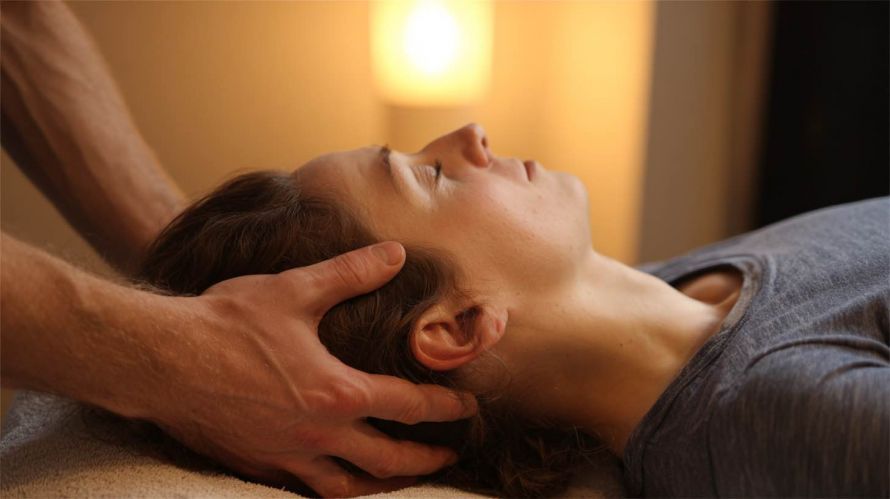
Osteopathic treatment using gentle manual techniques.
Manual procedures and follow-up care in osteopathic treatment—“Healing with the Hands” by experienced osteopaths
Methods of Osteopathy
Osteopathy is divided into three main areas:
- Parietal Osteopathy: This form focuses on the musculoskeletal system—that is, muscles, bones, and joints. Special techniques are used to release blockages and improve mobility.
- Visceral Osteopathy: Here, the focus is on the internal organs. The osteopath examines the mobility of the organs and their attachments within the body to identify and treat tension or misalignments.
- Craniosacral Osteopathy: This method focuses on the skull, the spine, and the sacrum. Through gentle manual techniques, the so-called craniosacral system—which relates to the central nervous system and cerebrospinal fluid—is harmonized.
Each of these techniques is individually tailored to the patient’s symptoms. The goal is to restore mobility and balance to the affected structures. In doing so, the osteopath uses only his or her hands as tools to specifically release blockages and support the body.
The Osteopathic Treatment Process
An osteopathic treatment typically begins with a detailed medical history (interview) to understand the patient’s symptoms. This is followed by a physical examination, during which the osteopath uses their hands to assess mobility and tension in the tissues. Based on the examination results, the therapist develops a personalized treatment plan. The duration of a session varies, but is usually between 45 and 60 minutes. Patients often notice an improvement in their symptoms after just a few treatments.
After Treatment – What Should Patients Keep in Mind?
After an osteopathic treatment, patients should give their bodies time to process the adjustments. It is important to drink plenty of water in the first few hours after treatment to support the body’s detoxification process. It is also advisable to take it easy physically so as not to overwhelm the body’s natural healing processes. Many patients feel immediate relief after treatment, while others may not notice noticeable improvements until a few days later.
If symptoms such as fatigue or mild discomfort occur, this is usually only temporary and indicates that the body is responding to the treatment. If in doubt, consulting with your osteopath may be helpful.
How Osteopathy Works – Benefits, Potential Risks, and Its Effect on the Fascia
Benefits of Osteopathy
Osteopathy offers a wide range of benefits because the hands-on treatment directly addresses mobility, tissue, and functional disorders. Within the field of osteopathy, the body is always viewed as an interconnected system, allowing not only symptoms but also deeper blockages within the body to be identified and released. This approach traces back to Dr. Andrew Taylor Still, who believed that self-healing can occur when structures are free to move.
Another benefit is that the treatment is tailored individually to the patient’s age, situation, and symptoms—which is particularly beneficial in pediatric osteopathy. Especially in young patients, gentle techniques can reduce tension, support developmental processes, and positively influence symptoms such as restricted movement, digestive problems, or sleep disturbances. Thanks to this holistic approach, patients of all ages benefit from a lasting improvement in their well-being.
Complications, Risks, and Prognosis
Like any treatment method, osteopathy carries risks, although these are generally considered low. In rare cases, symptoms may temporarily worsen after treatment. These reactions are usually temporary and subside after a few days. As a general rule, patients with acute inflammation, infections, or fractures should refrain from osteopathic treatment, as these conditions can complicate or worsen the therapy.
The likelihood of success with osteopathy varies from person to person and depends on the patient’s specific symptoms. However, many patients report significant pain relief and an improvement in their overall well-being after just a few sessions. The prognosis is particularly positive for chronic conditions, as osteopathic therapy specifically addresses the underlying causes rather than merely alleviating the symptoms.
Conclusion
Osteopathy is a gentle, holistic therapy that focuses on activating the body’s self-healing abilities. Using their hands as their primary tool, osteopaths can release blockages in muscles, joints, and organs, thereby treating a wide range of conditions. Whether you’re dealing with back pain, joint problems, or digestive issues—osteopathy offers a natural alternative or complement to conventional medicine. If you’re suffering from physical ailments and looking for a gentle form of treatment, osteopathy might be a good choice for you.
FAQs on Osteopathy
Why is the practice of osteopathy restricted to certain therapists?
Practicing osteopathy requires specialized training, as it demands a deep understanding of anatomy, functional chains, and manual techniques. Only trained osteopaths can safely assess which structures can be treated and which require medical evaluation.
What is structural osteopathy?
Structural osteopathy is a branch of the discipline that focuses on muscles, joints, fascia, and their mobility. It is frequently used because osteopathy is often particularly effective in cases involving mechanical restrictions or abnormal muscle tension.
How does osteopathy address functional complaints?
Osteopathy uses precise manual techniques to release tension and restore natural mobility. Many patients report benefiting from the treatment because it addresses not only the symptom but also the underlying functional problem.
Who is this treatment particularly intended for?
The treatment is intended for people of all ages who suffer from back, joint, muscle, or blockage-related complaints. It can also be a valuable complement to conventional medicine when functional disorders slow down the healing process or when additional manual support is beneficial.