
Trauma surgeons treat conditions such as torn cruciate ligaments, broken bones, and herniated discs, among others. Patients usually require surgical treatment. The range of treatments extends from simple procedures to complex, often multiple, surgeries. Here you will find further information as well as a selection of trauma surgery specialists and centers.
What is trauma surgery?
Trauma surgery is a medical specialty that deals with the surgical treatment of patients who have been in accidents. This includes
- those with severe injuries,
- work-related accidents,
- recreational accidents, and
- sports-related injuries.
Because it focuses on trauma to the musculoskeletal system, trauma surgery is closely linked to orthopedics and traumatology. The musculoskeletal system includes
- bones,
- tendons,
- ligaments, and
- muscles.
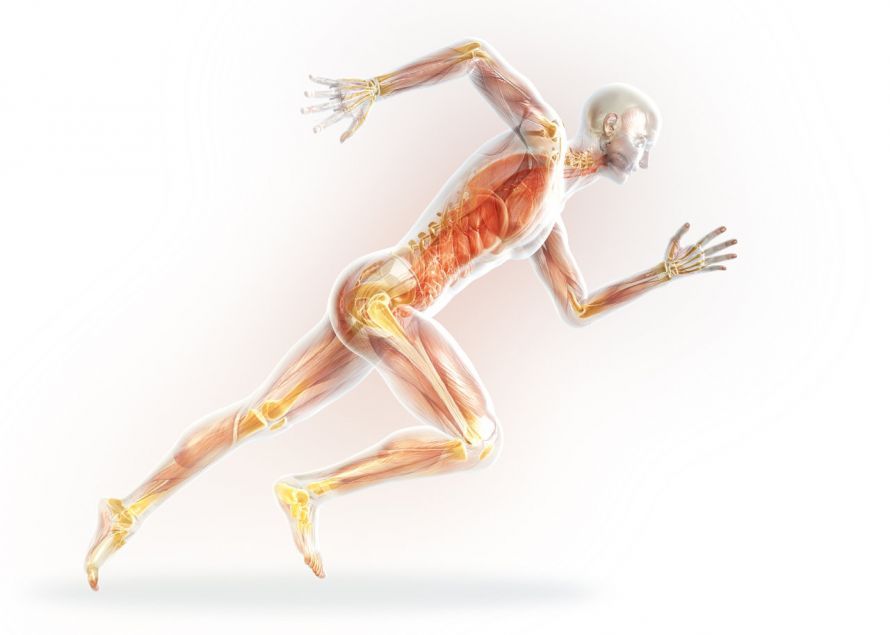
Highlighted joints and muscles of the musculoskeletal system © Axel Kock | AdobeStock
Patient care is provided
- at specialized clinics for trauma surgery, orthopedics, and traumatology and/or
- by private practice specialists in orthopedics and trauma surgery.
What qualifications must trauma surgeons have?
Trauma surgery specialists are generally designated as board-certified specialists in orthopedics and trauma surgery.
To earn this title, aspiring trauma surgeons must have completed at least six years of specialized training. During this time, trauma surgery specialists acquire in-depth knowledge in the fields of orthopedic surgery and traumatology.
A model training regulation issued by the German Medical Association specifies which examination and treatment procedures must be performed and how frequently. These include, for example, at least 200 surgical procedures of various types.
After completing their board certification, trauma surgery specialists may also pursue additional training in advanced trauma surgery. This focuses on the treatment of highly complex injuries (e.g., critically injured patients with polytrauma) and their sequelae, as well as the
- organization,
- monitoring, and
- implementation
of treatment for severely injured patients.

Trauma surgeons frequently treat acute injuries © kokliang1981 | AdobeStock
Scope of Services Provided by Trauma Surgeons
In the field of sports accidents and sports injuries, patients with
.
Recreational accidents are not uncommon among seniors due to age-related factors (e.g., femoral neck fractures and vertebral fractures) and among children (e.g., arm fractures).
- Work-related accidents usually involve
- fractures,
- contusions, or other trauma,
- but in some cases also with severe, multiple injuries (polytrauma)
.
A specialized clinic for trauma surgery and traumatology is particularly necessary when treating critically injured patients with polytrauma or traumatic brain injury.
Such a trauma center is equipped with state-of-the-art medical technology for diagnostics and initial care. This enables medical professionals to quickly assess the condition of a critically injured patient with polytrauma and initiate initial therapeutic measures.
Diagnostic Procedures in Trauma Surgery
Each examination typically begins with a medical history and a clinical examination. Often, trauma surgeons can already make a preliminary diagnosis at this stage.
With the help of imaging techniques, this diagnosis can then be confirmed or ruled out. In particular,
play a major role. CT and MRI are usually not available at private practices but, due to space requirements, are only found at specialized hospitals.
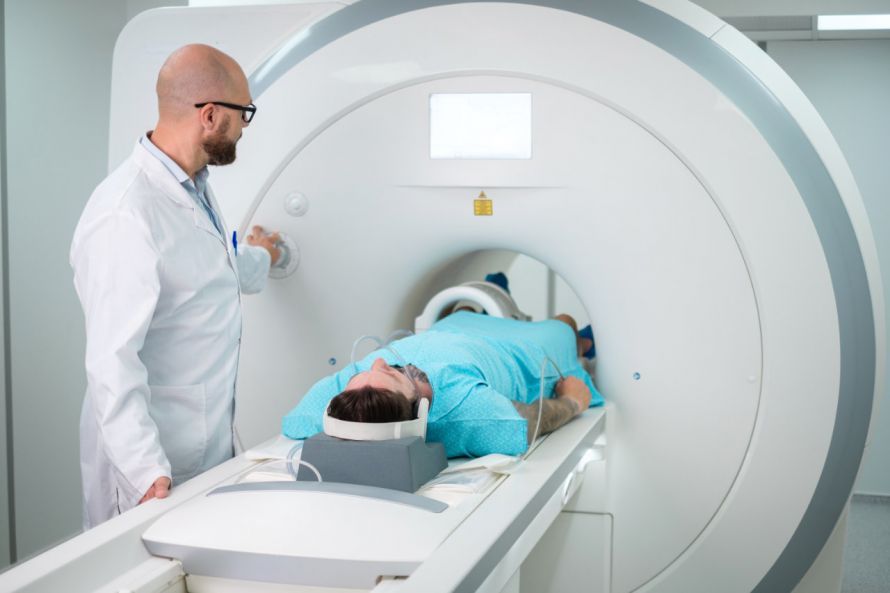
These diagnostic procedures provide trauma surgery specialists with precise information about the extent of any bone fractures or other internal injuries.
Therapeutic Measures Used in Trauma Surgery
In most cases, injuries requiring trauma surgery can only be treated through surgical intervention within the field of orthopedic surgery.
This can range from simple surgical procedures for uncomplicated bone fractures or minor trauma to extensive and repeated surgeries for critically injured patients with polytrauma. Specialists from other medical fields are often involved in the care of polytrauma patients.
Conservative treatments play a secondary role in initial care. However, drug therapies for pain relief or to reduce inflammation, for example, may be necessary.
Following surgery, physical therapy is often required, for example, to mobilize immobilized joints or extremities. Unless there is a compelling indication for surgery, conservative treatments may help avoid procedures that are not absolutely necessary.
Electrotherapy or stimulation current therapy, for example,
- in the treatment of pain,
- to relax and tense muscles, and
- to improve blood circulation
.

About the medical author
Dr. Claus Puhlmann
Medical Author · Medical journalist
Dr. Claus Puhlmann – medical author: expert articles, professional insights and medical knowledge in the Leading Medicine Guide.
More about the medical author →