Are you experiencing knee problems and wondering which knee specialist is right for you if you need knee surgery? Here you’ll find medical experts who work in hospitals and private practices and specialize in knee problems. All medical professionals have been handpicked for you according to strict guidelines to ensure they have the necessary expertise in sports orthopedics. Schedule an appointment—the knee specialists look forward to hearing from you.
The knee joint is the largest joint in the human body. Over the course of their lives, approximately 10% of the population experiences knee pain.
Common causes include injuries or signs of wear and tear. Misalignments of the leg axes—such as pronounced bowlegs or knock-knees—or a misaligned kneecap lead to an uneven distribution of load on the knee joint. While a dislocated kneecap causes immediate, severe pain in the knee, degenerative conditions such as knee osteoarthritis tend to cause persistent pain that puts strain on the joint. To determine the causes and treatment options on an individual basis, it is advisable to consult a knee specialist for a thorough evaluation.
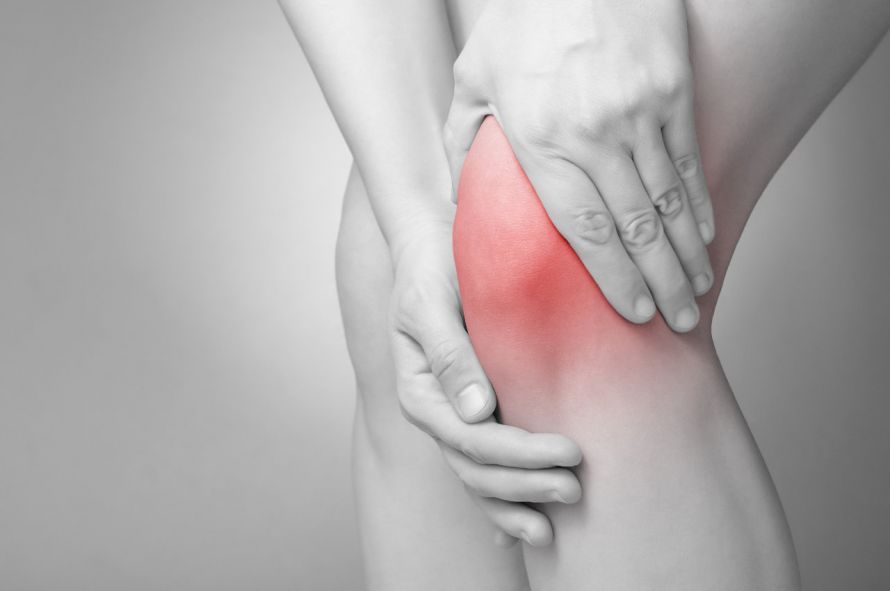
Knee Specialists: Orthopedics and Knee Specialists—Which Specialist Is Right for You?
Orthopedic specialists or trauma surgeons with a focus on sports medicine and knee surgery are the best professionals to consult. There is no single “best” doctor or hospital for knee issues. Instead, it is important to distinguish between the various injuries and conditions affecting the joint, such as acute inflammation.
A surgeon who excels at cruciate ligament surgery is not necessarily the best surgeon for knee replacement.
These knee surgeries are performed by specialized orthopedic surgeons
Arthroscopic Procedures
Using minimally invasive knee arthroscopy, experts make the final diagnosis and can already perform crucial treatments on ligaments or cartilage tissue, among other things.
Cartilage surgeries
- Knee cartilage reconstruction: Using various techniques, damaged cartilage tissue is replaced with new tissue, such as cartilage chips. The most commonly used technique, due to its good long-term results, is cartilage cell transplantation, which is an important method in orthopedic surgery.
- Cartilage cell transplantation: In this surgical procedure, usually performed arthroscopically, the surgeon repairs cartilage damage using the patient’s own cells.
- Meniscus Surgery: Damage to the meniscus—the cartilage discs in the knee joint—is caused either by an accident or by wear and tear. Tears can vary widely in severity. In many cases, knee surgery is performed on an outpatient basis during arthroscopy. For larger defects, a graft may be considered.
Ligament & Patella Reconstruction
- Knee ligament reconstruction: Doctors reconstruct torn ligaments using the patient’s own tendon tissue, which is harvested beforehand from a site selected by the physician. To ensure the long-term success of knee treatment, experts recommend several months of leg muscle strengthening through appropriate physical therapy.
- Cruciate Ligament Surgery: Depending on the severity, a cruciate ligament rupture can be surgically repaired in various ways. If this is performed using minimally invasive “keyhole” surgery, rehabilitation is generally shorter. If open knee surgery is performed, recovery usually takes a little longer, and therapy can be supported by an experienced orthopedic surgeon.
- Patella surgery: If the patella causes recurring symptoms due to a misalignment, doctors may recommend orthopedic surgery. The retinaculum release procedure is used to treat joint problems. The surgeon divides the outer retinaculum to lengthen it and reduce pressure on the lateral aspects of the patellofemoral joint.
Knee Joint Correction & Artificial Replacement
- Corrective osteotomy of the knee joint: Severe bowlegs or knock-knees can lead to joint problems and early wear and tear over time. The misalignment of the knee joints can be surgically corrected as early as adolescence to prevent future symptoms. However, even in adulthood, knee surgery may be recommended and can provide relief from symptoms.
- Knee Replacements: In cases of severely advanced osteoarthritis, early treatment options can improve the patient’s condition. Depending on the degree of damage to the knee joint, specialists may recommend a partial knee replacement (sliding prosthesis) or a total knee replacement (K-TEP)—that is, an artificial knee joint.
When is knee surgery necessary for knee pain, cartilage damage, or knee osteoarthritis?
Knee surgery is always necessary when all conservative treatment options have been exhausted without achieving a significant improvement in knee pain. In cases of injury, surgery can help prevent the development of knee osteoarthritis (gonarthrosis) later on.
The first step should always be to determine the exact cause of the symptoms in the knee joint. This can be done through a physical examination by a doctor, combined with imaging techniques such as X-rays, computed tomography (CT), or MRI.
Sometimes, however, knee arthroscopy is the only option. This procedure is, in itself, a surgical intervention.
Knee lavage or cartilage smoothing procedures are viewed critically today, as their benefit to the patient is questionable.
General Information About Knee Surgery
Duration
Are you wondering how long your knee surgery will take? There is no single answer to this question, as injuries and overall health can vary significantly from person to person.
Nowadays, arthroscopic surgeries often take only between 30 and 60 minutes. Even a realignment osteotomy of the knee joint surface can be completed in about an hour.
Experts typically implant knee replacements in about 75 minutes.
Costs
Depending on medical necessity, statutory and private health insurance plans in this country cover the costs of knee surgery in most cases.
Follow-up Care
Thorough follow-up care is essential for the long-term success of your treatment. For most knee surgeries, it is divided into two phases to address acute problems with the knee.
- Healing after joint replacement surgery is an important part of physical therapy. In cruciate ligament reconstruction, for example, the first phase focuses on wound healing and passive range of motion only. The goal is to reduce joint effusion, swelling, and pain and to protect the cruciate ligament to prevent a cruciate ligament tear.
- Restoration of function and stabilization: Muscle strengthening begins only in the second phase. This is crucial for stabilizing the knee joint, preventing joint wear and tear, and gradually increasing the knee’s load-bearing capacity—always in consultation with the treating physician.
What sets our knee specialists apart?
The Leading Medicine Guide features only select, highly qualified experts in knee surgery and joint replacement. All knee specialists possess a high level of professional expertise and many years of experience in the field of knee surgery.

About the medical author
Prof. Karl-Heinz Frosch
Medical Editor · Director of the Clinic and Polyclinic for Trauma, Hand and ReconstructiveSurgery · Hamburg
More about the medical author →