Nutrition coaching is professional nutritional counseling provided by a nutrition coach. The coach advises you using customized meal plans designed to promote a healthy and balanced diet, with the goal of achieving sustainable—and, above all, long-term—health benefits and your ideal weight.
Below you’ll find more information as well as specialists in nutrition coaching.
Definition: What is nutrition coaching?
Nutrition coaching refers to professional dietary counseling. A nutrition coach advises you on how to eat healthily. You receive detailed meal plans that you can incorporate into your daily life.
If you want to make a lasting change to your diet and lead a healthier life, working with a nutrition coach is a good idea. Since changing your diet isn’t easy, the nutrition coach also serves as a source of motivation. They help ensure that you stay committed and don’t fall back into old habits.
What does a nutrition coach do?
In today’s fast-paced world, a healthy and balanced diet is essential for preventing diseases such as diabetes mellitus, fatty liver disease, atherosclerosis, strokes, and back and joint problems.
Unfortunately, amid the stress of everyday life, it’s often not easy to put a healthy diet into practice.
That’s exactly what a nutrition coach is there for: to help you eat healthily in your daily life. They’ll explain why whole grains, fruits, and vegetables are important and why healthy fats are essential.
A varied diet ensures that you have little to worry about in terms of nutritional deficiencies. They help you understand how the biochemical processes in your body work. Together, you’ll also analyze your own eating habits.
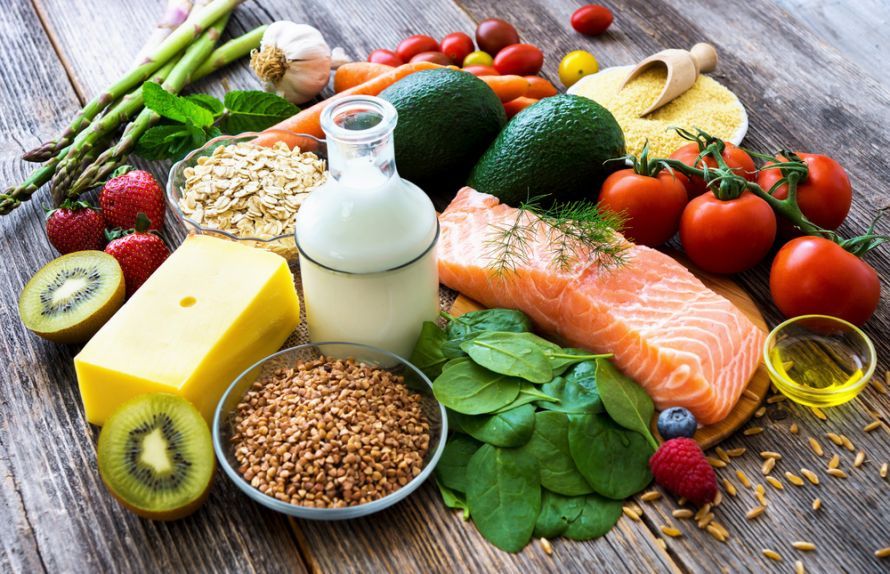
A healthy diet makes you feel healthier, fitter, and more energetic @ Daniel Vincek /AdobeStock
Remember to get enough exercise as well. If you’d like to incorporate more physical activity into your daily routine, a personal trainer can help.
Nutritional counseling can also be beneficial for athletes. If you aren’t gaining muscle mass despite extensive training, an improper diet may be the cause. Experts have found that nutrition accounts for 70 percent of athletic success.
Nutrition coaches are employed at rehabilitation and wellness centers as well as at fitness centers. However, they can also work independently.
The title “nutrition coach” is not a protected designation. In principle, anyone can call themselves that. If you’re looking for a good nutrition coach, pay attention to their reviews.
Also compare the prices of different providers, as they can vary significantly. By the way, many nutrition coaches offer a free initial consultation.
What is the goal of nutrition coaching and dietary changes?
In general, nutrition coaching is suitable for anyone who wants to eat healthier. However, it’s most commonly sought out by people who are dissatisfied with their body weight or who are obese. In these cases, nutrition coaching is helpful for losing excess weight that’s causing health problems.
The nutrition coach’s role is then to create personalized meal plans and monitor the patient’s health metrics.
They check the patient’s weight and body fat percentage at regular intervals. In some cases, they even check blood test results. This allows them to accurately analyze and track progress in weight loss.
Do you have allergies to certain foods, or have you been diagnosed with food intolerances? A nutrition coach can help you completely overhaul your diet.
Furthermore, competitive athletes benefit from nutrition coaching, which helps them improve their performance. Nutrition coaching is also beneficial during pregnancy to ensure that both mother and child receive all the essential nutrients.

A nutrition coach helps you achieve your nutrition and health goals step by step @ piai /AdobeStock
How does the initial consultation and nutrition counseling work?
Nutrition coaching begins with setting goals. Does the patient want to lose weight permanently or, for example, switch to a vegan or vegetarian diet?
Depending on the patient’s goals, the nutrition coach creates a personalized meal plan. This means you’ll receive a detailed breakdown from your coach of the nutrients you should consume daily. You’ll also get valuable tips on how best to prepare your meals.
You’ll carry out the dietary change largely on your own. However, you’ll have regular, scheduled appointments with your nutrition coach to review your progress.
During these sessions, a “target vs. actual” comparison is made. Your coach measures your current nutritional values and assesses how far they are from the target state. This allows the coach to easily determine whether the meal plan they’ve developed is actually working.
These appointments also give you, as a patient, the opportunity to discuss any issues with your nutrition coach and ask questions. Your nutrition coach should therefore always be available to you. Some even offer collaboration via apps and email, where you can review and analyze your food diary together.
There are now also online nutrition coaching services where the coach is available exclusively via email. Whether you choose in-person or online coaching is entirely up to you.
Many patients are hesitant about nutrition coaching. They think that a healthy diet doesn’t fit into their lifestyle. The opposite is actually true: If you eat a healthy, balanced diet, you’ll automatically feel fitter and healthier. Plus, there are plenty of delicious recipes that are healthy—so just give it a try!
What should you keep in mind after nutrition coaching?
Nutrition coaching is considered successful once you’ve achieved your goals. But now the challenge is to maintain them long-term. To succeed, patients still need a great deal of discipline. Whether you want to maintain your weight or cut out meat, for many patients, achieving their individual goals is difficult without the help of a nutrition coach.
What are the chances of long-term success?
Probably the biggest risk after successful nutrition coaching is falling back into old habits. You’ll only be able to maintain your weight loss permanently if you stay disciplined and continue living your new lifestyle after the coaching ends.
But that doesn’t mean you have to give up everything. Of course, healthy foods like fruits, vegetables, and whole grains should make up the bulk of your diet. But every now and then, a slice of cake or a slice of pizza is allowed. Don’t deny yourself everything; only then will you be able to make a lasting change to your diet and be happy doing it.
It’s best to pin the plans created by your nutrition coach to the refrigerator. That way, you’ll always be reminded to eat the right foods.
FAQ: Frequently Asked Questions
What happens during the initial consultation with the nutrition coach?
During the initial consultation, your individual goals are established, such as weight loss, muscle building, or dietary changes due to a medical condition. The nutrition coach will take your baseline measurements (height, weight, body measurements) and discuss your current eating habits with you. Based on this, the coach will create a personalized nutrition plan that’s practical for everyday life.
Who is a personalized nutrition coaching program suitable for?
In principle, coaching is suitable for anyone who wants to make long-term, sustainable, and balanced changes to their diet. It’s suitable for competitive athletes, people living with various health conditions—such as diabetes mellitus, Hashimoto’s disease, or food intolerances—and anyone who wants to develop a healthy relationship with food. It supports both preventive health care and targeted changes to dietary habits.
What are my chances of achieving lasting success?
Your chances of long-term success increase if you continue to practice your newly learned habits and actively integrate them into your daily life. Discipline, regular progress tracking, and consistent implementation in daily life are key.

About the medical author
Sabine Schneider
Editor-in-Chief
Sabine Schneider – medical author: Explore expert articles and medical expertise in the Leading Medicine Guide.
More about the medical author →Sources
https://medlexi.de/Ern%C3%A4hrungsberatung
https://www.geo.de/wissen/gesundheit/17166-rtkl-gesunde-ernaehrung-experten-streichen-alte-ernaehrungsempfehlungen