Trigger point therapy is a specialized form of manual therapy that specifically targets so-called trigger points—painful areas of muscle tension. It is used particularly for patients who suffer from chronic muscle and back pain. The goal of this therapy is to relieve symptoms by applying targeted pressure to the trigger points.
In this article, you’ll learn everything you need to know about trigger point therapy: from its definition and methods to aftercare and potential risks. You’ll also find a list of selected specialists in trigger point therapy here.
What is trigger point therapy?
Trigger point therapy is a form of manual therapy that specifically targets painful areas of muscle stiffness known as trigger points. Trigger points are localized areas of stiffness in the muscle fibers caused by
- overuse,
- poor posture, or
- injuries
. They often cause pain that radiates to other areas of the body, such as the neck or back. By applying targeted pressure to these points, the therapist attempts to release the tension and relieve the pain.
Causes of Trigger Points
Trigger points can develop for various reasons. They are often caused by:
- Muscle tension resulting from poor posture or a lack of exercise
- Muscle strain, e.g., from athletic activities
- Injuries or surgeries
- Stress or emotional tension
When is trigger point therapy used?
Trigger point therapy is used to treat a wide range of conditions caused by muscular problems. It is particularly common for:
- Back pain: One of the most common applications of trigger point therapy. Back pain is often caused by tension and stiffness in the muscles.
- Neck pain: Trigger points in the neck area can also cause severe discomfort that radiates to the head or shoulders.
- Headaches and migraines: Trigger points in the neck and shoulder muscles are often the cause of headaches.
- Shoulder pain: Tension and stiffness in the shoulder and back muscles can cause pain and restrict movement.
- Tennis elbow and other overuse syndromes: Trigger point therapy can also be effective for sports-related overuse conditions such as tennis elbow.
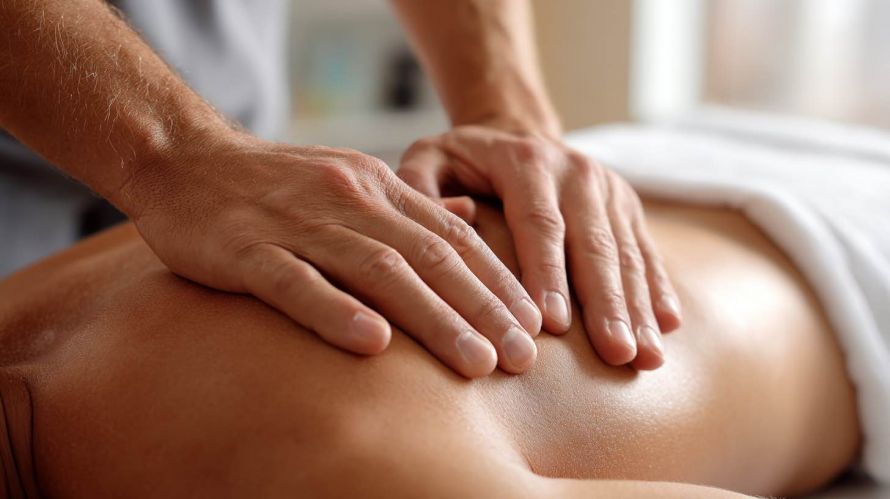
Manual treatment of trigger points to relieve muscular discomfort.
How does trigger point therapy work?
Trigger point treatment is performed by a specially trained therapist, usually a physical therapist or manual therapist. The treatment consists of various techniques aimed at deactivating the trigger point and relaxing the muscles. Here are the most common methods of trigger point treatment:
- Direct pressure: The therapist applies targeted pressure to the trigger point using their fingers or special tools. This pressure may be painful at first, but ideally it releases the tension and reduces pain.
- Massage techniques: Gentle massage of the surrounding muscles loosens the area around the trigger point, which also helps relax the affected muscles.
- Stretching: After pressure treatment, the affected muscle groups are often stretched to relax the muscles and improve mobility.
Depending on the severity of the symptoms, several sessions may be necessary to achieve lasting improvement. The duration and intensity of the treatment are tailored individually to the patient and the affected muscles.
Post-Treatment Care After Trigger Point Therapy
After trigger point treatment, it is important to follow certain guidelines to support the success of the therapy. Here are some recommendations:
- Rest: Avoid strenuous physical activity after treatment to prevent re-straining the muscles.
- Heat therapy: Heat helps further relax the treated muscles. A warm bath or a hot water bottle can be helpful.
- Stretching exercises: Your therapist may show you stretching exercises you can do at home to keep your muscles loose.
- Adequate Hydration: Drink plenty of water after treatment to improve blood flow to the muscles and promote the elimination of metabolic waste products.
Benefits and Risks of Trigger Point Therapy for Frequent Muscle Tension
Benefits of trigger point treatment
Trigger point therapy is one of the most effective methods for reducing myofascial pain. Because trigger points in the muscles often refer pain to other areas of the body, targeted trigger point treatment can frequently provide rapid and significant relief from symptoms. Many patients notice improved mobility and reduced pain in their daily lives after just a few sessions.
A major advantage is the variety of therapeutic options: In addition to manual techniques, an acupuncture needle can also be used to release deep-seated tension in the muscle. This allows access to areas of muscle tissue that are otherwise difficult to reach. If trigger points recur, patients can also perform simple self-treatment at home with proper guidance.
For both acute and chronic pain, the therapy often leads to a noticeable relaxation of the muscles. This improves blood circulation, makes movement easier, and helps the body move away from its painful compensatory posture. For many patients, trigger point therapy therefore represents an effective, gentle, and sustainable way to manage muscular discomfort.
Risks and Complications
Trigger point therapy is generally a very safe form of treatment. However, as with any therapy, side effects may occur. Common side effects include:
- Muscle pain: It is normal to experience temporary, mild muscle pain after treatment. However, this usually subsides after one to two days.
- Bruising: Small bruises may develop when intense pressure is applied. However, these are harmless and go away on their own.
- Circulatory problems: Some patients report dizziness or circulatory problems after treatment. These occur primarily when the treatment was very intense.
In rare cases, more serious complications such as nerve irritation or persistent pain may occur. If you experience unusually severe symptoms after treatment, you should consult your therapist or a doctor.
Prognosis: How effective is trigger point therapy?
Trigger point therapy is an extremely effective method for relieving muscular symptoms. Many patients report a significant improvement in their symptoms after just a few sessions. The therapy often yields lasting results, particularly for chronic back pain and muscular tension.
However, the success of the treatment also depends heavily on the patient’s individual circumstances. For some patients, it is necessary to combine trigger point therapy with other treatment methods, such as physical therapy or exercise therapy, to achieve long-term success.
Conclusion
Trigger point therapy is an effective method for specifically treating muscle tension and pain. Applying targeted pressure to the trigger points can release tension and relieve pain. Trigger point therapy is a proven treatment method, particularly for chronic back and neck pain. As with any therapy, however, you should always ensure that it is performed professionally by an experienced therapist and remain aware of potential risks.
FAQs on Trigger Point Treatment
How effective is trigger point massage, and can it really treat trigger points?
Trigger point massage aims to specifically treat hardened areas in the muscles. Manual pressure can effectively release trigger points, thereby relieving pain and improving mobility. Many patients also report significant muscle relaxation after just a few sessions.
Does health insurance cover trigger point therapy?
Stand-alone trigger point therapy is usually not fully covered by public health insurance plans, but it may be included as part of treatment when performed as part of medically prescribed physical therapy or manual therapy. Some insurance plans subsidize additional services—it’s worth checking with your specific provider.
What is the difference between trigger point therapy and fascia therapy?
Trigger point therapy focuses on clearly defined areas of muscle tension, while fascia therapy treats the entire connective tissue. Both methods can help treat trigger points and reduce pain, but trigger point massage targets specific points more precisely.
Can trigger point therapy help with long-term symptoms?
Yes—especially when trigger points are causing pain, the therapy can provide lasting relief. The combination of pressure techniques, stretching, and manual therapy improves blood circulation, promotes muscle relaxation, and significantly enhances mobility.