Craniomandibular dysfunction (CMD) is a general term for malfunctions in the interaction between the skull (cranium) and the lower jaw (mandible). These dysregulations can be structural, functional, biochemical, or psychological in nature.
About eight percent of people in Germany are affected by craniomandibular dysfunction.
Craniomandibular dysfunction is widespread yet little known. Not all patients require treatment, but for some, their quality of life is severely impaired by the symptoms.
The most common type of craniomandibular dysfunction is a malocclusion, in which the upper and lower jaws do not fit together properly.
This leads to problems in the masticatory system and can have unpleasant effects on the entire body.
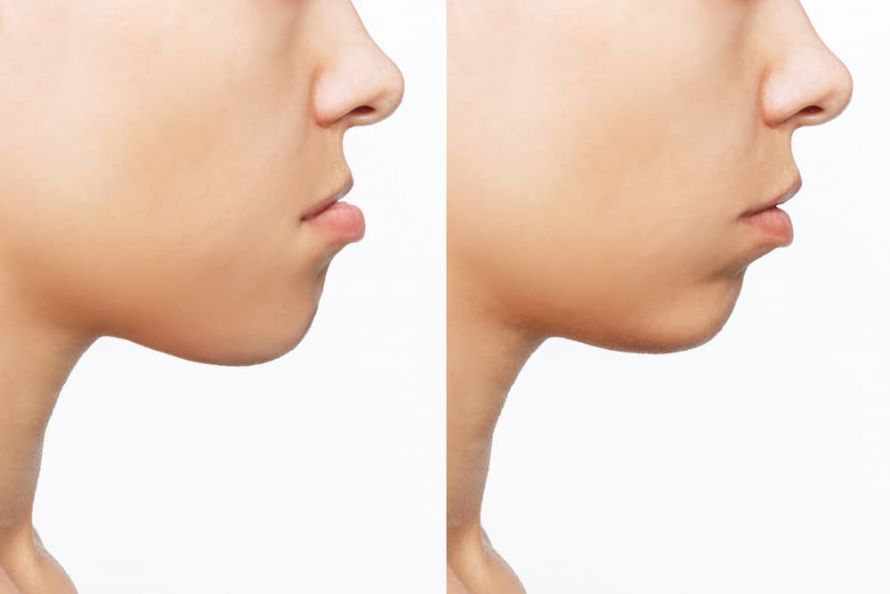 In craniomandibular dysfunction (CMD), the upper and lower jaws do not align properly @ Марина Демешко /AdobeStock
The Causes of Craniomandibular Dysfunction
Craniomandibular dysfunction is a multifactorial disorder. This means that several factors contribute to its development.
The most common cause is misaligned teeth (such as a malocclusion). When the upper and lower jaws do not fit together properly, doctors refer to this as malocclusion.
Misaligned teeth can be genetic. Gaps between teeth and fillings or crowns that are too high or too low can also be responsible.
Misalignments can also develop following orthodontic treatment. The surrounding muscles—such as the head and facial muscles—react to the strain on the temporomandibular joints with severe tension. This is the body’s way of trying to compensate for the misalignment.
If this compensation is unsuccessful, it can lead to chronic muscle tension in the body’s musculoskeletal system.
Another common cause of craniomandibular dysfunction is teeth grinding (bruxism), which occurs primarily at night.
Constant teeth grinding that exceeds normal levels leads to severe wear on the teeth. In the worst case, it can result in a shortened dentition.
Chronic stress and psychological tension can also contribute to craniomandibular dysfunction. Stress can lead to constant tension in the jaw area.
Other risk factors include:
- traumatic changes to the temporomandibular joints or cervical spine
- excessive nail-biting and chewing gum
- surgery in the head and neck area
- Poor posture and poor sitting posture
- Joint inflammation
Symptoms that may indicate craniomandibular dysfunction
The symptoms of craniomandibular dysfunction are extremely varied and nonspecific. It often goes undetected, or doctors may not diagnose it until some time has passed. If you experience several symptoms at the same time, you should get checked for craniomandibular dysfunction.
The following symptoms are characteristic of this condition:
- Headaches
- Sleep disturbances
- Ear pain
- Tinnitus
- Jaw and tooth pain
- Difficulty swallowing
- Facial pain
- Dizziness
- Vision problems and/or sensitivity to light
- Neck pain
- Back pain
- Numbness in the limbs
Other symptoms may also occur that are not typically associated with craniomandibular dysfunction.
These include, for example:
- Nausea
- Tingling in the fingers
- Loss of appetite
- Mood swings or
- Depressive moods
Properly Diagnosing Craniomandibular Dysfunction
Early diagnosis of the disorder is important, as progressive strain on the temporomandibular joints worsens the prospects for recovery. Craniomandibular dysfunction is usually diagnosed by a dentist.
A so-called functional analysis or functional diagnosis is used to make the diagnosis. In the first step of the clinical functional analysis, the dentist conducts a thorough medical history review.
The patient’s medical history provides insight into their symptoms and any potential genetic predispositions.
Following the medical history review, the dentist palpates the temporomandibular joints and masticatory muscles to detect tension, abnormal movement, or noises.
To detect a malocclusion, the patient must bite down on a colored sheet. If the impression shows abnormalities, an instrumental functional analysis is performed.
Using a bite registration, the dentist determines the positional relationship between the upper and lower jaws. A bite registration is a soft tray (made of wax or plastic) that the patient bites down on.
A facebow measures the position of the jaw relative to the skull. Using the data collected, dental professionals create a plaster model that mimics the patient’s chewing movements.
The articulator simulates not only chewing movements but also various treatments. This allows the dentist to select the treatment that will yield the best results.
Treatment Options for Craniomandibular Dysfunction
Treatment for craniomandibular dysfunction depends on the cause of the condition and requires a holistic approach. Typically, several specialists collaborate on the treatment.
The dentist corrects misaligned teeth by prescribing a bite splint. The plastic bite splint quickly relieves symptoms and helps move the jaw into the correct position.
Depending on the severity of the symptoms, the patient wears the splint only at night or around the clock.
For patients who do not wish to wear a bite splint, various procedures can be used to permanently correct the bite. Chewing surfaces can be reshaped or restored using ceramic onlays, crowns, or implants.

Orthodontic treatments are also an option for the permanent correction of misaligned teeth. Physical therapists, orthopedists, and osteopaths play a role in treating poor posture or disorders of the muscles and joints.
If depressive moods or other mental health issues accompany craniomandibular dysfunction, treatment by a psychologist is advisable.
Patients should reduce stress through appropriate measures such as exercise, autogenic training, or muscle relaxation.
These various therapeutic approaches can be used in combination as needed.
Find CMD Specialists Here
The first point of contact for pain and discomfort in the jaw area is a dentist or an orthodontist. They can typically perform a functional assessment and review your medical history to diagnose CMD.
Not every doctor is familiar with the condition, so they may not always recognize it based on its diverse symptoms. It is therefore best to consult a doctor who is a member of the CMD umbrella organization and is up to date on the latest developments.
If you experience symptoms in your shoulders, neck, or hips, it makes sense to see an orthopedist. They can confirm or rule out a connection to CMD.
Share this article