Gastroenteritis is a common infectious disease of the gastrointestinal tract, colloquially known as the stomach flu. Medically referred to as gastroenteritis, it is an inflammation of the stomach and intestines—that is, a combination of gastritis and enteritis.
Gastroenteritis is caused by various pathogens, including viruses, bacteria, and parasites. Viral infections caused by noroviruses or rotaviruses are particularly common, while bacterial pathogens such as Campylobacter, Salmonella, and Escherichia coli also play a role. Typical symptoms include diarrhea, nausea, vomiting, and abdominal pain. In severe cases, gastroenteritis can lead to dehydration and electrolyte imbalances.
Acute gastroenteritis often occurs suddenly and is self-limiting in most cases.
What is gastroenteritis?
Gastroenteritis is an inflammatory disease of the gastrointestinal tract, the most prominent symptom of which is diarrhea. The name is composed of “gastro-” (medical term for stomach), “-enter” (medical term for intestine), and “-itis” (medical term for inflammation). In common parlance, gastroenteritis is also known as the stomach flu.
What exactly is affected by gastroenteritis?
Gastroenteritis causes inflammation of the mucous membrane that lines the entire gastrointestinal tract. In most cases, this inflammation is caused by pathogens, but it can also result from medications that are poorly tolerated or from chemical toxins, such as metals or certain plant-based substances. Food intolerances can also ultimately lead to a nonbacterial (meaning without detectable bacteria) inflammation of the mucous membrane.
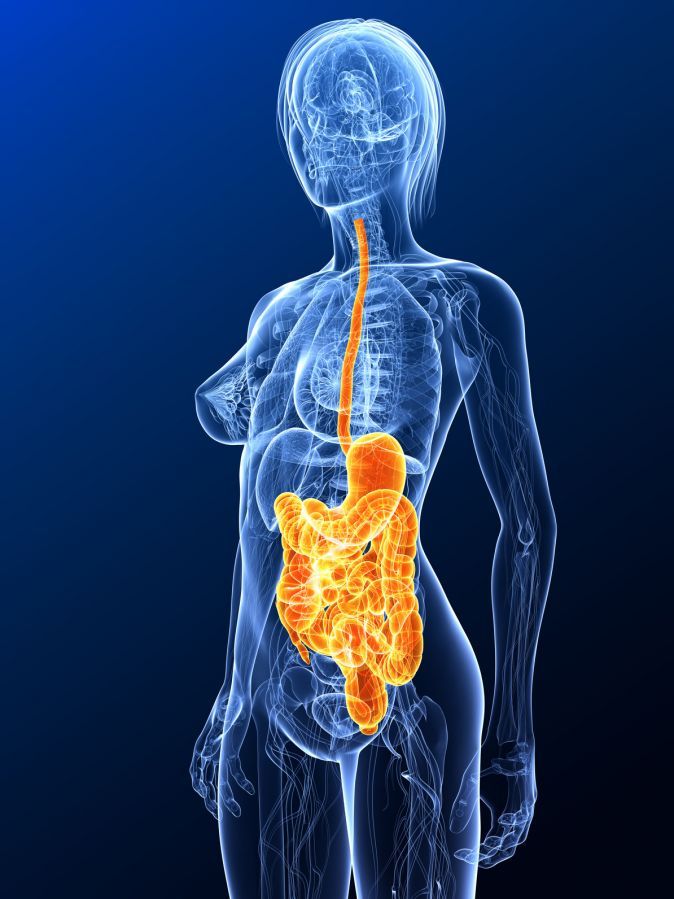
Although the mucous membrane throughout the entire gastrointestinal tract (i.e., from the stomach to the rectum) can become inflamed, the small intestine is most commonly affected. Involvement of the stomach is also not uncommon, but the large intestine is affected only in exceptional cases.
What causes gastroenteritis?
Gastroenteritis can have various causes. In most cases, especially during the winter months, gastroenteritis is triggered by viruses. Bacteria and parasites can also cause the disease. Rotaviruses and noroviruses are the most common causes of gastroenteritis.
Bacterial infections are much less common but tend to be more severe. The most common bacterial pathogens include Salmonella, Campylobacter, Shigella, Yersinia, and the intestinal bacterium Escherichia coli. Infection by parasites usually occurs when traveling to countries with low hygiene standards. These are primarily countries in Africa, Central America, and South Asia.
Gastroenteritis is usually transmitted through contact with contaminated surfaces. As few as 10 to 100 viral particles are enough to cause infection. When pathogens from feces and vomit come into contact with objects and surfaces, they can be transferred from there to the mouth and digestive tract of other people through contact with the hands. This is known as fecal-oral transmission; “fecal” refers to stool, and “oral” refers to the mouth.
Occasionally, it also occurs through droplet transmission, in which tiny particles of vomit spread through the air.
When traveling abroad, people usually become infected through contaminated drinking water or food. This is particularly the case in less developed countries, such as parts of Africa or Asia. Poor hygiene conditions, in particular, are a cause of the higher incidence of gastrointestinal infections in these regions.
Can antibiotics also cause gastroenteritis?
Taking antibiotics is also a common cause of diarrhea. The reason for this is that antibiotics damage the normal gut flora and can thus lead to increased growth of pathogenic bacteria. These, in turn, can sometimes produce toxins and release them into the gut (so-called exotoxins) or act as toxins themselves (so-called endotoxins). These toxins, as well as the pathogenic bacteria, can be detected in stool samples. The only sensible course of action in such cases is to stop taking the antibiotic so that the gut flora can recover and rebuild itself.
What are the symptoms of gastroenteritis?
Depending on the pathogen, symptoms can range from very mild to severe. The most common and prominent symptom is diarrhea, which can be watery, especially in the case of a viral infection.
With gastroenteritis, symptoms usually begin suddenly. The incubation period—that is, the time between infection and the onset of symptoms—ranges from 4 to 48 hours. Typical symptoms associated with gastroenteritis include:
- vomiting and nausea
- severe diarrhea
- Loss of appetite
- a pronounced feeling of illness
Depending on the type of pathogen, other symptoms may also occur, such as:
- Abdominal pain
- Elevated temperature or fever
- Body aches
- Skin rash
- Blood in the stool
How long does gastroenteritis usually last?
Symptoms usually subside after 24 to 48 hours. If symptoms do not improve after 48 hours, you should definitely see a specialist. Gastroenteritis should not be taken lightly, as vomiting and diarrhea can lead to a loss of fluids, electrolytes, and nutrients.
How is gastroenteritis diagnosed?
In most cases, gastroenteritis can be diagnosed through a medical history and physical examination. Further tests or complex imaging procedures are rarely necessary. A stool sample may be indicated to identify pathogens, especially if antibiotic-associated (caused by antibiotics) gastroenteritis is suspected.
What is important when taking a medical history?
Taking a medical history is extremely important. This includes, in particular, asking about the
- medical history,
- medication use, or
- specific events leading to the illness.
Among other things, a stay abroad or contact with sick individuals are important factors here and must be asked about. However, the use of specific medications or suspected food intolerances should also be inquired about and mentioned. Furthermore, questions are typically asked about the consistency of the stool, its frequency, and any additional traces of blood.
What does the physical examination involve?
In addition to the medical history, the physical examination is another very important and often pivotal diagnostic measure. During this examination, the abdomen is palpated; in particular, the physician checks for any tender areas or localized tenderness in the abdominal cavity. Resistances—that is, palpable hardening—can also be detected during the physical examination.
A stethoscope is used to listen to bowel sounds. Experienced physicians can already suspect the presence of narrowings based on this alone, without the need for further tests or imaging.
The skin and its condition are also assessed. Dry skin and so-called “standing skin folds” are important indicators of excessive fluid loss, which can amount to several liters a day in cases of severe diarrhea. This fluid loss leads to reduced elasticity of the connective tissue, which is the cause of the standing skin folds. Once fluid balance is restored, the skin usually regains its original elasticity.
When are further tests necessary?
In certain cases, further testing is necessary, including in the following situations:
- in infants under 3 months of age
- if there is blood in the stool
- after a stay abroad in high-risk areas
- in cases of severe and prolonged illness
- in cases of immunodeficiency, such as AIDS
- if there are significant underlying medical conditions
- if the patient works in communal facilities or processes food
- if the patient has taken or is planning to take antibiotics
Further tests may include blood, urine, and stool tests; in rare cases, an endoscopy (colonoscopy) or an ultrasound.
What treatment options are available for gastroenteritis?
The majority of patients are treated without medication; antibiotics should be avoided whenever possible. The most important thing in cases of gastroenteritis is adequate fluid intake. Patients should drink plenty of fluids (especially water and unsweetened tea) to compensate for fluid loss. For infants, toddlers, and the elderly, electrolyte powders may also be prescribed; in particular, deficiencies in magnesium, calcium, and potassium can cause symptoms and should be replenished promptly. In cases of severe fluid loss, hospitalization and intravenous therapy may be necessary.
In addition, those affected should try to eat light foods such as crackers, soups, bananas, carrots, or oatmeal. Occasionally, medications that suppress vomiting or bowel movements are also prescribed. In certain cases, antibiotic therapy is necessary. This is advisable, for example, in severe cases, for premature infants, the elderly, cases of bloody diarrhea, and infections caused by bacterial pathogens such as Salmonella, Shigella, or Escherichia coli.
What is the prognosis for gastroenteritis?
Generally, a gastrointestinal infection is harmless and resolves within just a few days. However, there are certain high-risk groups for whom the course of the illness can be severe and, in extreme cases, even life-threatening. These include newborns, infants, and older adults, who lose fluids and electrolytes due to severe and frequent vomiting. Closer monitoring is also advisable during pregnancy and breastfeeding to prevent complications for both mother and child.
FAQ
What exactly is gastroenteritis?
Gastroenteritis is an inflammation of the stomach and intestines that is usually caused by an infection. It is often referred to as the stomach flu and is one of the most common gastrointestinal infections. Infectious gastroenteritis can be caused by viruses, bacteria, or parasites.
What pathogens cause gastroenteritis?
The most common causes are viral infections such as noroviruses or rotaviruses. Bacterial pathogens such as Campylobacter, Salmonella, Vibrio cholerae, or Escherichia coli can also trigger bacterial gastroenteritis. Less commonly, parasites are responsible, for example, after consuming contaminated food.
How long does acute gastroenteritis last?
Acute gastroenteritis usually has a short course and resolves within a few days. As long as symptoms persist, those affected are often contagious, sometimes even during the incubation period. In most cases, recovery occurs without antibiotic treatment.
When is gastroenteritis severe or dangerous?
Gastroenteritis can become severe if severe diarrhea and vomiting lead to significant dehydration. Older adults and young children are particularly vulnerable. In severe cases, an IV may be necessary to restore fluid and electrolyte balance.
How is gastroenteritis treated?
Treatment depends on the causative agent and the patient’s clinical condition. In most cases, the primary focus is on fluid replacement, supplemented as needed by probiotics or loperamide. In cases of bacterial infection, antibiotic or antimicrobial therapy may be necessary in select cases, such as with Clostridium difficile infections or severe cases. Hygiene measures are important to prevent further transmission.
Share this article