Expert Interviews
CEREC (CEramic REConstruction): Precise Dental Restorations in Just One Visit

Alexandra Pfitzmann ·
CEREC is a digital procedure that allows all-ceramic dental restorations to be designed and milled directly in the dental office—without impressions, without temporary restorations, and in just one visit. Using a 3D camera, the tooth is precisely scanned, and the inlay, crown, or partial crown is digitally designed and immediately fabricated on-site. The result is a precisely fitting, aesthetic restoration that blends in naturally and can be placed immediately.
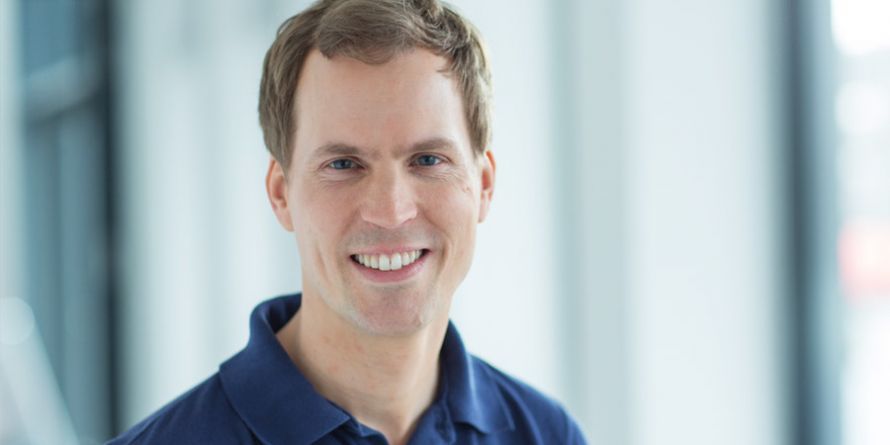
“A key factor for the CEREC procedure is the size of the defect, as the technology relies on milled ceramic, which requires a certain layer thickness. The procedure is not used for very small defects because no more tooth structure should be removed than is absolutely necessary. In many other cases—especially for single-tooth restorations—the method is well-suited, however. The decision is based on the individual condition of the tooth, and as soon as it is clear that the indication is appropriate, the digital process begins. This involves using a scanner that captures up to 50,000 images per second, processes them, and generates up to one million three-dimensional measurement points per second. This enormous amount of data already demonstrates just how precise the result will be. “The technology offers not only speed but, above all, accuracy—and precision means long-term durability, fewer treatments, and a longer lifespan for the patient’s own teeth,” explains Dr. Delschen at the start of our conversation.
The high level of fit accuracy stems primarily from the fact that the digital scan is completely free of material deformation. Impression materials shrink, expand, react to temperature or humidity, and can be distorted by the patient’s movements. Even plaster models undergo minimal changes as they harden.
“The process begins with an important organizational step: a transparent explanation of costs, a detailed treatment and cost plan, and clarification of whether supplemental insurance will cover part of the treatment. Only then does the actual treatment begin. The patient is usually anesthetized, and as soon as the necessary area of the tooth has been prepared, the digital scanner is used. This is essentially a small camera that captures image sequences at high speed and uses them to create a precise digital model. This is completely painless for the patient, as no traditional impression with impression material is necessary. The patient simply keeps their mouth open, and within a few seconds, the entire jaw is digitally captured. After the scan, the patient simply remains seated, as the goal is to complete the restoration in a single visit. While the restoration is being fabricated, the patient waits about half an hour. The restoration is then adjusted, tried in, and, if everything fits, cemented in place immediately. This way, the patient leaves the office on the same day with the final restoration, without a temporary restoration and without any additional appointments. “More extensive work is also carried out in the same building, but in an external lab a few floors below, while the CEREC restorations are created right here in the office,” says Dr. Delschen, describing the process at his practice, and continues:
“The treatment can be completed in a short amount of time, and the ceramic used is not a proprietary material, but essentially the same high-quality ceramic restoration used in other procedures. The practice uses prefabricated ceramic blocks from one of the world’s largest dental manufacturers, which ensures consistently high material quality. The custom restoration is precisely milled from these blocks. While there are differences between the various types of ceramic, these primarily relate to the respective manufacturer, not to durability or strength. In terms of lifespan, the milled ceramics are absolutely comparable to traditional ceramic restorations. This allows for a variety of restorations to be performed on patients—ranging from partial crowns to full crowns and inlays. CEREC particularly excels with inlays, partial crowns, and crowns—that is, wherever individual teeth require precise and stable restoration. The procedure is not suitable for removable dentures, as it is not technically designed for that purpose. The situation becomes more complex with bridges: Here, the indications are limited because the system can only accommodate smaller bridge spans. Furthermore, these restorations must be milled from zirconia, which, while functionally excellent, has slight aesthetic limitations, as zirconia does not always deliver a visually perfect result.”
The exceptional fit achieved with CEREC results from a combination of high-precision optics, the complete elimination of deformation errors, digital analysis of the occlusion, and machine-based fabrication that precisely follows the digital data. The result is a dental restoration that feels more natural, fits more securely, and is more reliable in the long term because it is based on a digital twin of the tooth that replicates reality more precisely than any conventional method.
CEREC is particularly well-suited for types of dental restorations where a precise fit, high stability, and a natural-looking aesthetic are crucial. The technology truly shines whenever a tooth needs to be partially or completely reconstructed and a metal-free, durable ceramic restoration is desired.
“CEREC is not equally suitable for every situation. If half or an entire jaw needs to be fitted with crowns, the work is generally outsourced to an external laboratory because the complex steps can be carried out more safely and with greater control there. Anterior crowns are also typically outsourced, as this area is particularly demanding from an aesthetic standpoint. This involves true precision work, in which a dental technician with extensive experience and a keen eye for detail crafts the individual color nuances and structures. This is not something that can be accomplished in a single session, and the goal is to achieve a result that looks absolutely natural and reveals no visible transitions whatsoever. The motivation for using CEREC therefore lies less in aesthetic advantages than in the combination of speed, precision, and the elimination of the need for a temporary restoration. Digital fabrication delivers a very high degree of accuracy, and because the final restoration is placed immediately, the often problematic phase involving a temporary restoration is eliminated. Temporary restorations are never completely airtight; they can fall out, break, or cause sensitivity, and are generally rather uncomfortable. A single-visit restoration avoids these risks, and the tooth benefits as a result. “As soon as the anesthesia wears off, the patient can eat normally and go about their day,” emphasizes Dr. Delschen.
During a CEREC treatment, several steps take place that flow seamlessly into one another, enabling the entire process—from diagnosis to the finished restoration—to be completed in a single session.
First, the tooth is scanned in real time using an intraoral camera. Millions of measurement points are used to create a precise 3D model that completely replaces the traditional impression. The restoration is designed based on this digital model: The software analyzes tooth shape, contact points, and bite, while the dentist virtually models the crown, partial crown, or inlay and adjusts it for anatomical precision. A high-precision milling unit then mills the restoration directly from a ceramic block before it is polished or fired in a kiln. After the try-in, the restoration is permanently cemented in place and can bear a load immediately. The patient leaves the office during the same visit with a perfectly fitting, final restoration—without a temporary, without a second appointment, and without any waiting time.
Dr. Delschen explains: “Digital diagnostics enable an impressively high level of fit that goes beyond what can be achieved with traditional impressions—even though conventional dental restorations already offer a very high level of precision. With conventional impressions, a negative impression is first created, which is then cast in plaster. Both materials undergo minimal changes due to shrinkage or expansion, and each intermediate step introduces small inaccuracies. These processes are well-coordinated, but a perfectly precise match is simply not possible due to the properties of the materials. With digital scanning, all of that is eliminated: the situation in the mouth is captured one-to-one, without any detours and without changes in the materials. This results in significantly higher precision. My practice has been using this system since 2018, and patient feedback has been consistently positive. Above all, they appreciate that an impression is no longer necessary, recognize the benefits of the digital approach, and are pleased with how quickly the process is—since they only have to come in once. In addition, this often results in cost savings compared to external labs, which require more steps and thus more time. More and more dental practices are offering this procedure—it was developed as early as the 1970s, and with the rise of digital technology, it has become virtually indispensable today. In the U.S., a major dental chain even advertises that patients can choose whether they want to visit the dentist once or twice. The system takes patients’ needs seriously and, thanks to decades of refinement, achieves a level of precision that directly benefits them.”
CEREC is ideal whenever a single tooth or a few adjacent teeth are to be restored with an all-ceramic restoration. The digital precision and the ability to complete the procedure in a single visit are major advantages in these cases.
Digital diagnostics has fundamentally transformed modern dentistry far beyond the CEREC system. Today, it is no longer just a technical tool but an integral part of diagnostics, planning, and treatment—and it influences nearly every step of a treatment. Its greatest value lies in the fact that it makes biological structures visible that would be nearly impossible to assess with the naked eye or using two-dimensional methods, and that it makes treatments more plannable, safer, and more predictable.
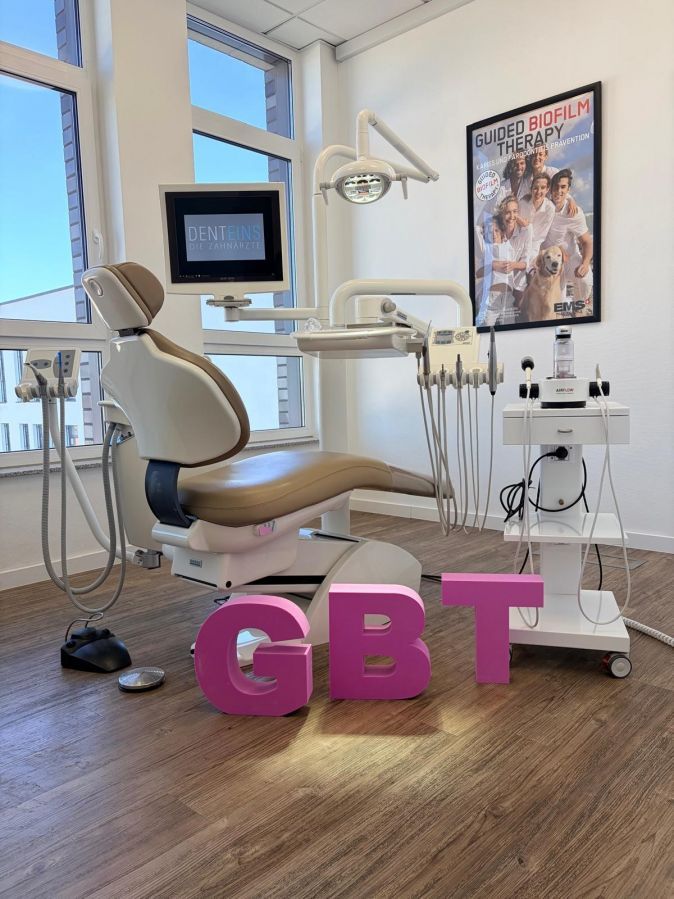
“Purchasing the necessary technology is certainly a major step for a dental practice, as it requires a complete digital infrastructure to use the system effectively. In the treatment room, there is a PC with a monitor to which the scanner or camera is connected, so that the scan is immediately visible. As soon as the scan is complete, the file is sent to the practice’s in-house laboratory. There is a large milling machine there, into which the ceramic blocks are clamped. Two milling bits work simultaneously from both sides, precisely milling the restoration out of the block. The milling unit is wirelessly connected to the scanner, allowing data to be transmitted directly. The system is complemented by a kiln that heats up to over 1,000 degrees and can fire glazes or apply other surface finishes in a very short time as needed. However, mastering this technology requires a solid learning phase. You can’t just jump right in, because without thorough training, the work quickly leads to frustration. In practice, therefore, half the team undergoes intensive training right from the start, and new dentists receive comprehensive training before they begin working with the system. Everyone on the team should be proficient in CEREC, because it’s only with experience that the work becomes truly enjoyable. Those who don’t take the time to learn the system properly often give up on it quickly. In everyday practice, the lines between traditional dental restorations and CEREC are increasingly blurring, as digital scans are also used by external labs and the two approaches are becoming intertwined. Many patients come specifically for CEREC, especially if their previous dental practice does not offer the procedure. One example is an anxious patient who traveled from Portugal, received complete CEREC treatment under general anesthesia, and flew back the next day—a case that demonstrates just how much the method is designed for efficiency and patient comfort,” Dr. Delschen points out, concluding our conversation by emphasizing:
“For people with severe dental anxiety, treatment in just one session is truly an ideal solution. They only have to come in once, receive just a single anesthetic, and go home the same day with a high-quality, long-lasting restoration. This eliminates the worry about additional appointments, repeated procedures, or a lengthy treatment process. Precisely because anxious patients often haven’t been to the dentist in a long time and have multiple issues to address simultaneously, it’s a major advantage when many steps can be combined into a single appointment. If general anesthesia is also used, they aren’t even consciously aware of the entire process—they fall asleep and wake up with beautiful, finished teeth.”
Thank you very much, Dr. Delschen, for this wonderful insight into CEREC treatment!
- Specialist in Endodontics, Cosmetic Dentistry, and Implantology
- Extensive expertise in microscopic root canal treatments
- CEREC dental restorations: all-ceramic, impression-free, completed in a single session
- Modern cosmetic dentistry with natural, harmonious results
- Precise planning and placement of dental implants
- Gentle treatment for anxious patients
- Wide range of services: preventive care, dental splints, periodontitis treatment
Share this article
DENTEINS | Ihrer Zahnarztpraxis im Ärztehaus Plus!
ProfileExpert Interviews
Read next
- Expert interview
Expert interview with Professor Dr Elmar Herbst, PhD
Oct 15, 2026
Patient-centred and personalised knee surgery
Read more - Expert interview
Cardiogeriatrics: Significance and benefits in the context of hospital reform
Sep 21, 2026
Cardiogeriatrics: Significance and benefits in the context of hospital reform
Read more - Expert interview
Expert Interview with Professor Dr. Amadeus Hornemann, MPH
Sep 18, 2026
Prof. Amadeus Hornemann on Precision Medicine in Gynecology: Modern Surgery, New Techniques, Better Quality of Life
Read more