Expert Interviews
Expert Interview with Dr. med. dent. Stephan Delschen - Removable and Fixed Prosthetics

Alexandra Pfitzmann ·
Dr. med. dent. Stephan Delschen is an experienced and highly qualified dentist who is particularly renowned for his expertise in endodontics, cosmetic dentistry, and implantology. At his practice, DENTEINS in Troisdorf, he not only offers his patients comprehensive dental care but also ensures that every visit is as pleasant as possible. The practice features a modern and inviting design, and air-conditioned rooms combined with a deliberately stress-free atmosphere ensure that patients feel completely at ease. With his broad range of expertise, Dr. Delschen is proficient in the entire spectrum of modern dentistry.
Of particular note, however, is his deep expertise in endodontics—especially in complex root canal treatments—as well as his innovative approaches to cosmetic dentistry. Through the targeted use of state-of-the-art technologies, such as surgical microscopes and low-radiation X-ray equipment, Dr. Delschen achieves precise and long-lasting treatment results. Patients suffering from dental problems or seeking cosmetic improvements can rest assured they are in the best hands. As a member of the German Society for Implantology (DGI) and the Academy of Practice and Science (APW), he stays up to date on the latest developments in dental research and continuing education. This benefits his patients, as he offers them the best possible care and individually tailored treatments.
At his practice, Dr. Delschen offers, among other services, professional teeth cleanings, cosmetic dentistry, implants, dentures, and innovative, impression-free all-ceramic crowns, partial crowns, and inlays. Patients with dental anxiety also benefit from his pain-free treatment methods, which include the use of nitrous oxide to help manage anxiety. Dr. Delschen places particular importance on giving his patients ample time for consultation and individualized treatment planning, so that they feel safe and well cared for at every stage of treatment.
The editorial team at Leading Medicine Guide was able to obtain more information on the topic of “Fixed and Removable Prosthetics” during a conversation with Dr. Delschen.
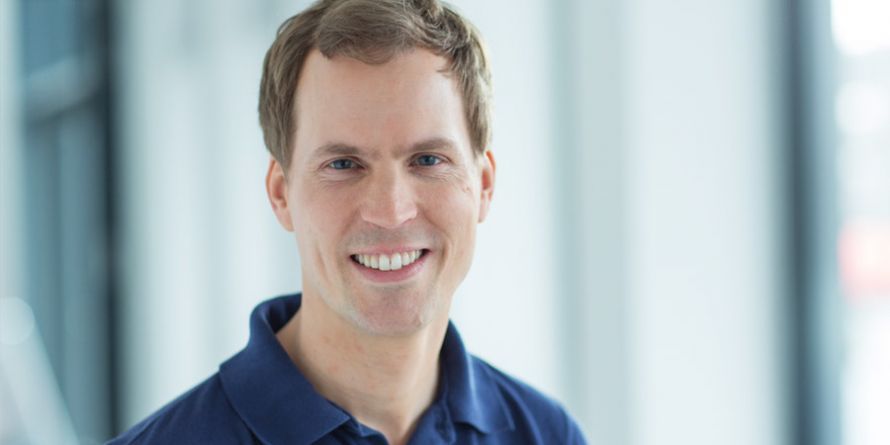
Fixed and removable prosthetics are two important concepts in modern dentistry that provide patients with dental replacements and help restore the function and aesthetics of the dentition. Fixed dental restorations, such as crowns and bridges, are permanently attached in the mouth and offer a stable, natural solution for tooth replacement. In contrast, removable prostheses, such as partial or full dentures, are flexible and can be removed by the patient themselves. Both options have their respective advantages and disadvantages, and the choice of the appropriate dental prosthesis depends on the patient’s individual needs, oral health, and personal preferences.
The decision as to whether fixed or removable dentures are the better choice for a patient depends on several factors related to both the patient’s medical condition and personal preferences.
“The primary factor in the decision is the number of abutments—that is, existing natural teeth or implants. Other considerations include aesthetic factors, ease of cleaning, and, of course, the patient’s preferences. When it comes to a fixed restoration, you should generally have at least six abutments available. This simply provides the necessary stability. From the outside, the difference is usually not even noticeable—unless someone has been toothless for a long time, especially in the upper jaw. If the jawbone has receded significantly there, a removable prosthesis may actually be the better aesthetic solution. The plastic used in the denture can essentially mimic the appearance of the resorbed bone. If this isn’t done, the teeth often look too long and have to be angled very steeply because the jawbone resorbs not only in height but also inward,” explains Dr. Delschen, adding:
“In terms of handling, fixed restorations feel just like your own teeth in everyday life. With removable options—and this is important—they are usually what are known as conditionally removable restorations. They remain in the mouth practically all the time, even at night, and are removed only twice a day for about five minutes each time for cleaning. This cleaning is done by hand—that is, with a toothbrush, the traditional way. Keeping them in the mouth also has clear aesthetic advantages. Anyone who has ever seen what a face looks like without a prosthesis knows what is meant: the entire jaw area collapses somewhat. With a permanently worn prosthesis, on the other hand, the facial shape remains stable.”
Fixed and removable dentures also differ significantly in terms of durability, comfort, and functionality, which plays a decisive role in the choice of dental prosthesis.
“Fixed dentures are considered the preferred solution by many patients. The desire for fixed teeth is completely natural—especially when significant financial investments are already required. Many people are generally only familiar with fixed dentures and have little to no experience with removable or conditionally removable restorations. It is often the responsibility of the treating dental practice to provide comprehensive information and convey a realistic picture.
In terms of comfort, there is often little difference with modern restorations. You can even eat an apple with a conditionally removable prosthesis—this is no longer the deal-breaker it may have once been. The key factor here is proper instruction from the dental team. Once patients understand how to care for them, they function reliably in everyday life. When it comes to materials, however, there are differences. Fixed dental restorations are generally made of ceramic materials—due to their aesthetics, color stability, and durability. For removable restorations, plastic is usually used, at least for the superstructure. This material offers significant advantages, particularly in terms of reparability. If a ceramic restoration breaks, the entire restoration usually has to be remade—which is often not economically feasible. Plastic, on the other hand, can be easily repaired and, if necessary, recolored or replaced.
Nowadays, modern plastics also offer a very high-quality aesthetic. For fixed restorations, however, plastic is not an option—simply because repair in the mouth is virtually impossible and impractical. Furthermore, composite is not inherently color-stable. While this can be easily remedied in removable restorations through polishing or replacement, it poses a real problem for permanently cemented solutions. “That’s why the fixed option remains a ceramic solution,” Dr. Delschen makes clear.
Durability depends on various factors. If the ceramic does not break, such a restoration can last for many years—sometimes even decades. It is important that everything remains sealed and is checked regularly. Oral care and hygiene habits play a crucial role here. It is difficult to specify a universal lifespan because each case must be considered individually.
Dr. Delschen comments: “Regular checkups are performed just as they are for any other dental restoration or for natural teeth—that is, through a standard dental examination. Whether it’s a crown, a bridge, or a denture doesn’t initially play a major role in the checkup routine. The patient’s age is not a limiting factor here. Rather, it is a matter of overall health—that is, the ability to maintain oral hygiene, the quality of the bone, and the number of available abutments. There are certainly 80-year-olds for whom a fixed restoration can be performed without hesitation. At the same time, there are significantly younger people with very poor dental health for whom such a solution is out of the question. The individual case is always the deciding factor.”
Osteoporosis tends to play a minor role in everyday dental practice. Periodontitis is often much more relevant. If anything, aspects such as bone height and bone width are more important in the assessment—rather than bone density alone.
Medications such as bisphosphonates can pose problems when using implants. Bisphosphonates are frequently prescribed, especially for patients with osteoporosis. “From a dental perspective, they present a particular challenge. Before starting such therapy, the jaw must be thoroughly examined and, if necessary, cleared of inflammation. Special caution is required while taking these medications, because if surgical procedures become necessary, there is an increased risk of so-called bone necrosis—that is, areas of bone with poor blood supply that can die off. However, with careful planning and good oral health management, these risks can be controlled. If all the necessary conditions are met in advance, the treatment can generally proceed without complications,” notes Dr. Delschen.
Before a prosthetic restoration—whether fixed or removable—is even considered, thorough and careful preparatory work is always the top priority.
“It all begins with a detailed medical history. The focus here is on the conversation with the patient. It’s about listening carefully: What are the patient’s wishes? What does the patient envision? The next step is to determine whether any preliminary treatments are necessary. The foundation must be right before we can even discuss dental prosthetics. Only once this foundation is in place does the actual consultation regarding the prosthetic restoration take place. This often involves several consultations—two to three times, if necessary—until the right solution is found together with the patient. In addition, 3D diagnostics in the form of a digital volume tomogram (DVT) may be performed at this stage or even earlier. At the same time, creating a detailed cost estimate plays a central role. This, too, is discussed with the patient and adjusted until it meets their individual needs. If implants are necessary, that is the next step. “These must first be placed and allowed to heal over an extended period before the prosthetic restoration can be completed,” says Dr. Delschen, describing the next steps:
“For a fixed restoration, the process typically involves two to three appointments leading up to the final placement. The dental laboratory is already involved during the first preparation appointment. Photos are taken, and the color and shape of the teeth are discussed—often the patient also brings old photos to help achieve an aesthetic result that matches their expectations. After a thorough try-in and close coordination with the lab, the restoration is placed, followed by a follow-up appointment. At that point, the treatment is complete—at least formally. For a removable restoration, the process is slightly different. If no implants are needed or if they are already exposed, a preparation phase begins here as well. Minor preparations may still be necessary. Photos, shape, and color analysis are also carried out here in collaboration with the lab. This is followed by several fitting appointments.
These are significantly more extensive than for fixed restorations, as the patient can actively influence the process throughout. It is precisely this close collaboration that is essential. The process concludes with a final fitting, during which speech, fit, and overall comfort are assessed. After insertion, one or two follow-up appointments are scheduled to ensure proper function and fit. For both fixed and removable restorations, dental care does not end with the insertion of the restoration. Regular checkups and professional cleanings ensure that the prosthesis is preserved over the long term. Continuous patient care ensures that wearing comfort is guaranteed over the long term—regardless of the type of restoration chosen.”
A practice with its own on-site, high-quality dental laboratory, such as Dr. Delschen’s practice, offers tangible advantages—particularly through the close, well-coordinated collaboration between the dentist and the technician. High-quality materials—ideally manufactured in Germany—along with tested components and the long-standing experience of both parties ensure consistently high quality. After all, true precision arises where expertise meets continuity.
“Someone who performs a procedure only rarely can hardly expect the same result as someone who performs this task daily. Professional routine, sound training, and empathy in dealing with patients are the qualities that matter. Good counseling means working together to find the best solution for each individual—not to persuade or pressure, but to educate. Numerous patients report negative experiences with dental care abroad. One example: A young influencer from the region had all her teeth crowned at a foreign clinic, including an improperly placed implant. The result was months of pain, several necessary root canal treatments, and corrective procedures. Some of the dental restorations also had to be remade. In another case, instead of the desired four to six veneers, all of the patient’s teeth were crowned—another irreversible procedure. Of course, there are competent colleagues abroad, but such cases show that they often work under considerable time pressure and that procedures are highly compressed—especially when it comes to performing complex work. It is precisely at this point that problems frequently arise.
Therefore, we strongly advise against undergoing such treatments abroad. Similar reports exist in other medical fields as well—for example, with procedures such as gastric bypass surgery. Follow-up care often cannot be guaranteed, which can lead to complications. Furthermore, aesthetic pressure is increasingly a major factor, especially among young people. The desire to look like certain role models influences decisions about procedures that often have far-reaching consequences. At the same time, a growing interest in topics such as teeth whitening is entirely understandable. Reputable practices offer solutions in this area as well, but always assume full responsibility. Excessive measures such as so-called “power bleaching” are not standard practice. Instead, they work with a sense of proportion to balance function and aesthetics—in a lasting and responsible manner,” states Dr. Delschen.
Cost, Quality, and Responsibility:
Why sustainable planning pays off when it comes to dental prosthetics.
“The decision to seek prosthetic treatment abroad is often driven by cost. However, people often overlook the fact that removable restorations can actually be more expensive than fixed ones in some cases. Cost planning also depends on individual adaptation: Each treatment plan is designed together with the patient to ensure it is both functionally and financially feasible. No one receives a restoration that doesn’t fit their individual circumstances—neither in terms of implementation nor budget. Financing models offer additional flexibility. A good example: If you replace an inexpensive product three times, you’ll end up paying more than you would for a high-quality, durable solution—just like with a shovel, which you’d rather buy once and get it right than buy three cheap ones. Unlike gardening equipment, however, mistakes with dental prostheses cannot be easily reversed. Once damage occurs, correcting it is costly. Private supplemental dental insurance can cover a significant portion of the costs—especially for dental prostheses or implants. The benefits depend on the specific plan and the duration of the insurance coverage. “Those who have been insured for a long time can usually count on substantial financial support,” explains Dr. Delschen.
The most common question from patients revolves around the start of treatment. But before dental prostheses are fitted, the focus is on restoring jaw function—because long-term success is only possible on a stable foundation.
“Many patients come to the practice specifically seeking prosthetic care—and the demand is often correspondingly high. Since a great deal of time and care is invested in preparation and consultation, it’s important to find the right time slots for appointments. However, it’s not uncommon for functional problems to underlie the desire for dental prostheses. Severely worn or damaged teeth, for example, can lead to discomfort in the temporomandibular joints. In such cases, it is necessary to first restore function—to turn back the clock, so to speak. As part of the initial assessment, we carefully examine whether there are any limitations or symptoms in the temporomandibular joint and how severe the tooth wear (abrasion) is. This is often followed by a preparatory measure, such as establishing a new bite height using a bite splint. Complementary physical therapy may also be beneficial. Only once the patient is symptom-free does the actual prosthetic treatment begin. Because one thing is clear: dental prostheses must not be placed on an unstable foundation. Only when function is restored can the result be successful in the long term,” explains Dr. Delschen.
Thank you very much, Dr. Delschen, for your important insights!
Share this article
DENTEINS | Ihrer Zahnarztpraxis im Ärztehaus Plus!
ProfileExpert Interviews
Read next
- Expert interview
Expert interview with Professor Dr Elmar Herbst, PhD
Oct 15, 2026
Patient-centred and personalised knee surgery
Read more - Expert interview
Cardiogeriatrics: Significance and benefits in the context of hospital reform
Sep 21, 2026
Cardiogeriatrics: Significance and benefits in the context of hospital reform
Read more - Expert interview
Expert Interview with Professor Dr. Amadeus Hornemann, MPH
Sep 18, 2026
Prof. Amadeus Hornemann on Precision Medicine in Gynecology: Modern Surgery, New Techniques, Better Quality of Life
Read more