Expert Interviews
Cosmetic Dentures and Digital Smile Design: Precision for a Natural Smile

Alexandra Pfitzmann ·
Aesthetic dental restorations and Digital Smile Design combine modern technology with precise planning to harmoniously align the shape, color, and function of the teeth.
Through digital analysis and visualized before-and-after simulations, we create dental restorations that are not only medically sound but also aesthetically tailored to the patient’s face, facial expressions, and personality.
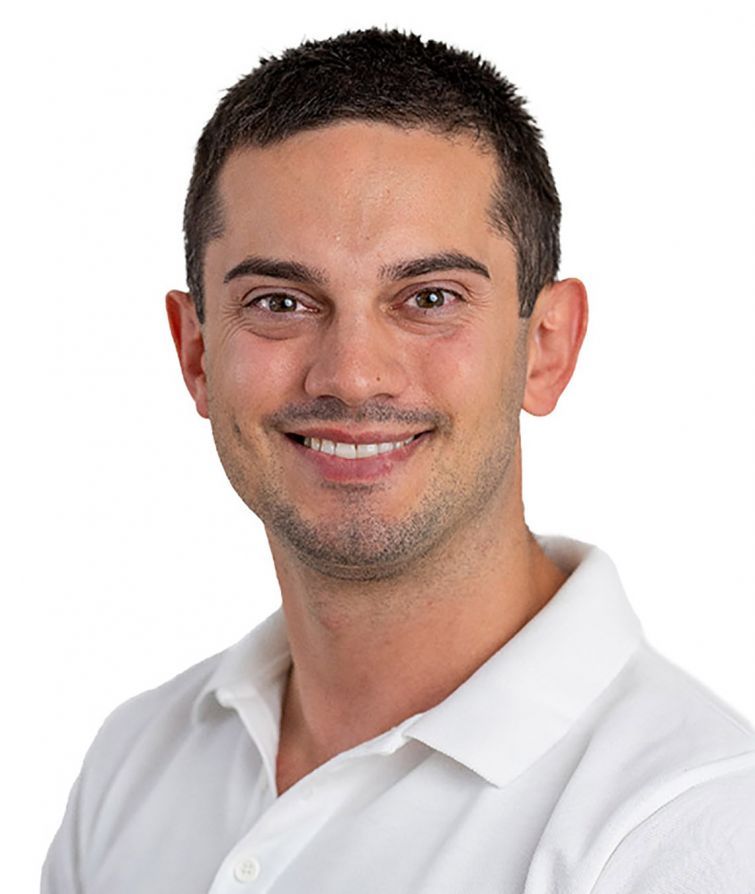
“The goal of aesthetic dental restorations is to replace lost or damaged teeth as perfectly as possible—not only functionally but also visually. While conventional restorations often prioritize the restoration of chewing function, aesthetic dentistry also takes into account factors such as facial proportions, lip contours, tooth shape, color, light reflection, and a person’s individual charisma.
Modern ceramic restorations now produce results that are virtually indistinguishable from natural teeth. A high-quality dental restoration should never look artificial but rather blend harmoniously into the patient’s overall appearance. It is precisely this individualization that distinguishes a purely functional restoration from an aesthetic reconstruction,” explains Dr. Kaiser.
Digital Smile Design is a comprehensive digital planning process that goes far beyond simple image editing and elevates aesthetic dentistry to a level that is precise, reproducible, and transparent to patients.
“Digital Smile Design is a modern planning concept that allows us to digitally visualize the final treatment outcome even before the actual therapy begins. Using photos, videos, digital dental scans, and specialized software, we analyze the patient’s individual facial and dental aesthetics. The major advantage is that patients can see their future smile even before treatment begins. This ensures maximum transparency and planning reliability. Patient preferences can be taken into account early on, and various treatment options can be discussed together. In our practice, Digital Smile Design is part of a fully digital workflow.
Through intraoral scanners, 3D technology, and computer-aided planning, we can significantly improve communication between patients, dentists, and dental technicians, thereby achieving predictable results. Modern ceramics offer impressive stability and durability, while glass-ceramics meet the highest aesthetic standards, particularly in the anterior region. The choice of material is always individualized and depends on the load, position in the mouth, aesthetic requirements, and the patient’s personal preferences.
Thanks to modern CAD/CAM technologies and our digital manufacturing processes, we can now produce extremely precise and durable restorations. For me, the focus is not on choosing a specific material, but on finding the best long-term solution for the patient. “This individualized approach reflects my philosophy of modern, sustainable dentistry,” Dr. Kaiser explains.
Digital Smile Design combines medical precision, aesthetic planning, and emotional reassurance—making the journey to a new smile clear, transparent, and personalized.
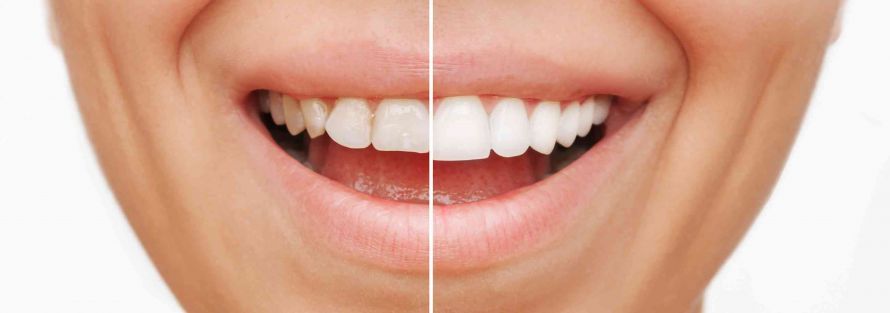
A dental restoration looks natural when it blends so harmoniously into the face—visually, functionally, and in terms of facial expressions—that it is not recognizable as a reconstruction. Several finely coordinated factors are crucial here.
Dr. Kaiser emphasizes: “A natural-looking dental restoration is never achieved by tooth color alone. What matters is the harmonious interplay of numerous factors. These include tooth shape, the proportions of individual teeth, their position in the dental arch, surface texture, the translucency of the ceramic, and how they coordinate with the lips, facial features, and facial expressions. Every person has unique aesthetic characteristics.
That is why, before every treatment, we analyze not only the teeth but the entire face. The goal is to create a smile that suits the patient’s personality and does not look artificial or ‘contrived.’ Close collaboration between the dentist and the dental technician is particularly important in this regard. Modern digital technologies support us in the planning phase, but the final customization is still carried out with a great deal of experience, craftsmanship, and a deep understanding of aesthetics.”
The natural appearance of aesthetic dental restorations depends largely on shape, color, and light reflection. Individual tooth shapes with characteristic contours and slight asymmetries create authenticity, while the multi-layered color structures and translucency of high-quality ceramics replicate the optical properties of natural teeth. Equally crucial is their harmonious integration into the face: proportions, lip line, smile line, and facial expressions determine visual perception. An intact, symmetrical gum line further contributes to an unobtrusive overall appearance. Functional parameters such as bite alignment, chewing movements, and temporomandibular joint stress influence long-term stability and must be incorporated into the treatment plan.
Aesthetic correction is particularly suitable for people who desire a more harmonious, natural, or functionally improved smile—whether due to discoloration, worn teeth, minor misalignments, old fillings, or visible restoration margins.
It is ideal for patients whose teeth are generally healthy, whose gums are stable, and for whom changes in shape or color are the primary concern. Aesthetic treatment can also be very effective following accidents, in cases of asymmetrical tooth shapes, or when a smile no longer matches a patient’s facial expressions.
“Cosmetic corrections are suitable for patients who are dissatisfied with the shape, color, position, or substance of their teeth and who desire a more harmonious appearance. We frequently treat people with worn teeth, gaps between teeth, old fillings, or crowns, as well as patients who wish to rejuvenate their smile overall. However, stable oral health is always a prerequisite for successful treatment. If there is active inflammation, untreated cavities, or advanced periodontal disease, these must be treated first.
I generally advise against purely cosmetic procedures without a medically sound indication. “My goal is not to follow trends, but to achieve long-term, stable, functional, and aesthetically pleasing results. Good treatment not only improves appearance but also preserves the health of the teeth and periodontal tissues,” states Dr. Kaiser.
Today, high-quality aesthetic restorations consist almost exclusively of modern, translucent ceramics because they realistically mimic the natural tooth structure in terms of color, texture, and light reflection. All-ceramic materials such as lithium disilicate and zirconia are used most frequently.
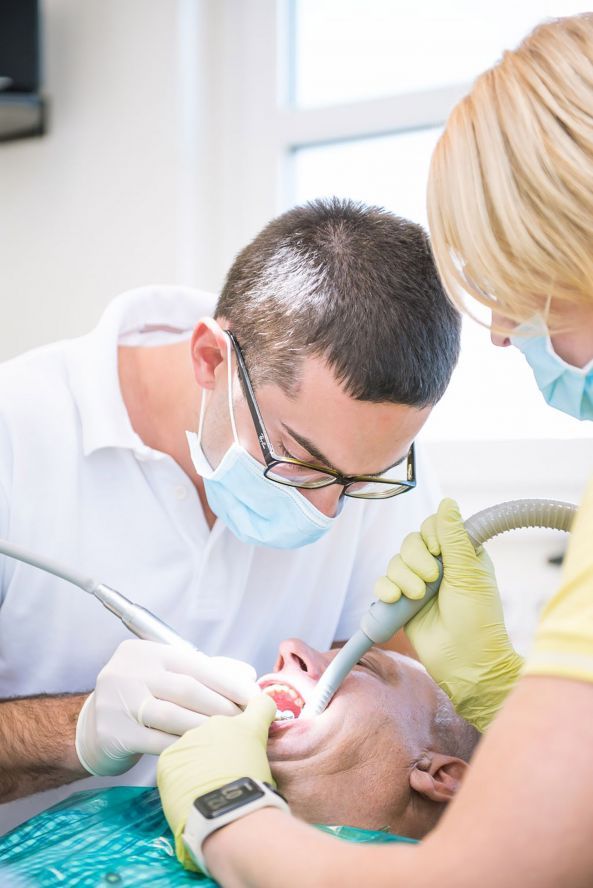
“In modern aesthetic dentistry, high-quality all-ceramic materials are primarily used. These materials are characterized by excellent biocompatibility, high stability, and natural light dynamics. In the visible anterior region, we frequently use highly aesthetic glass-ceramics that can mimic natural enamel with remarkable realism. In the posterior region or for extensive reconstructions, high-strength zirconia ceramics are often used, as they offer exceptional durability.
The choice of material is always made on a case-by-case basis and depends on the load, position in the mouth, aesthetic requirements, and the patient’s personal preferences. “Thanks to modern CAD/CAM technologies and digital manufacturing processes, it is now possible to produce extremely precise and durable restorations,” emphasizes Dr. Kaiser.
Lithium disilicate is characterized by high translucency and a pronounced light-reflective layering effect, making it ideal for aesthetically demanding restorations such as veneers, partial crowns, and anterior tooth reconstructions. Zirconia, on the other hand, offers maximum strength and long-term stability; modern multilayer variants now also achieve a high level of aesthetics and can be used in both the anterior and posterior regions.
Hybrid materials combine ceramic and polymer components; they are more elastic and are particularly suitable for minimally invasive or functionally flexible restorations. Composites are primarily used for temporary restorations or minor aesthetic corrections, as they are inferior to ceramic materials in terms of wear resistance and color stability. The visual differences are primarily due to translucency and the ability to mimic natural enamel and dentin layers. High-quality ceramics are superior in terms of durability: lithium disilicate demonstrates a high clinical success rate over many years, while zirconia often lasts for decades.
The choice of material depends on tooth position, functional stress, aesthetic requirements, and the amount of remaining tooth structure. Digital planning methods such as Digital Smile Design support precise diagnosis and material selection.
The journey from the initial consultation to the finished new smile follows a structured, medically sound process in which diagnostic precision and aesthetic planning are closely intertwined. Each phase—from analysis through digital simulation to final implementation—logically builds upon the previous one and ensures that the result is both functionally stable and aesthetically compelling.
Dr. Kaiser explains: “Every treatment begins with a detailed analysis. We assess the initial situation through clinical examination, digital photos, intraoral scans, and, if necessary, three-dimensional X-ray diagnostics. This is followed by individualized treatment planning. With the help of Digital Smile Design, we can visualize the desired result even before treatment begins and discuss it with the patient.
Depending on the initial situation, the treatment involves various steps—ranging from professional oral hygiene and teeth whitening to ceramic veneers, implants, or complex reconstructions. The duration varies depending on the scope of the treatment. Minor aesthetic corrections can be completed within a few weeks. Extensive restorations often take several months, as functional, biological, and aesthetic aspects must be carefully coordinated.”
To ensure that aesthetic dental restorations remain stable in the long term—and not only look good but also function reliably from a medical standpoint—several fundamental requirements must be met.
Long-term stability is always achieved when the gums, bone, bite, and tooth structure are in a healthy, functionally balanced state. Only when these medical fundamentals are in place can aesthetic dental restorations achieve their full potential—looking natural, harmonious, and durable under stress.
“Long-term success is always based on biological health. An aesthetically perfect dental restoration can only function permanently if the gums, bone, and the entire oral environment are healthy. A periodontal system free of inflammation is particularly important. Conditions such as periodontitis must be thoroughly treated before any aesthetic reconstruction. Sufficient bone conditions also play a decisive role, especially with implants.
Another key factor is the function of the masticatory system. Improper bite forces, bruxism, or unfavorable occlusal relationships can significantly impair the longevity of even high-quality restorations. That is why we always view aesthetics and function as an inseparable unit. In my view, sustainable dentistry arises precisely where biological health, functional stability, and natural aesthetics converge.
“Only when all three factors are taken into account can a treatment outcome remain successful for many years,” Dr. Kaiser emphasizes at the end of our interview.
- Specialist in cosmetic dentistry, implantology, and invisible orthodontics
- Practice in Draßburg — modern equipment, digital processes, in-house dental lab
- Areas of Focus — Aesthetics, CEREC, Implantology, Periodontology, TMJ, Invisible Braces
- Digital same-day restorations — 3D printing, digital impressions, ceramic milling for single-visit restorations
- Multiple master’s degrees — implantology, medical law, orthodontics, digital dental technology
- International professional articles, author for the journal “ZahnArzt”
- Family-run practice since 1991 — taken over by Dr. Kaiser in 2020, long-standing team (some with 30+ years of experience)
- Comprehensive consultation, empathetic care, high professional precision
- Wide range of treatments—from fillings to complex reconstructions for all age groups
- Affordable solutions — affordable installment plans for more extensive treatments
Share this article
About the medical author
Alexandra Pfitzmann
Editor
Alexandra Pfitzmann – medical author: expert knowledge, professional articles and medical insights in the Leading Medicine Guide.
More about the medical author →Expert Interviews
Read next
- Expert interview
Cardiogeriatrics: Significance and benefits in the context of hospital reform
Sep 21, 2026
Cardiogeriatrics: Significance and benefits in the context of hospital reform
Read more - Expert interview
Expert Interview with Professor Dr. Amadeus Hornemann, MPH
Sep 18, 2026
Prof. Amadeus Hornemann on Precision Medicine in Gynecology: Modern Surgery, New Techniques, Better Quality of Life
Read more - Expert interview
Expert Interview with Professor Dr. Konstantinos Anagnostakos
Sep 15, 2026
Prof. Anagnostakos on Painful Knee Replacements
Read more