Expert Interviews
Dr. Krappel: Spinal Regeneration with PRP

Claudia Dechamps ·
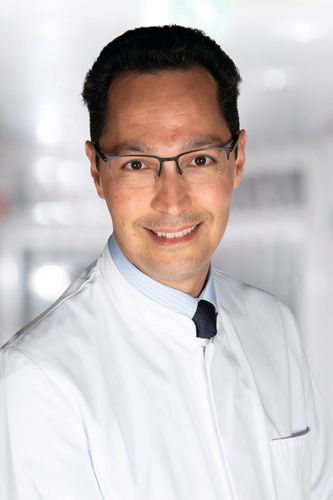
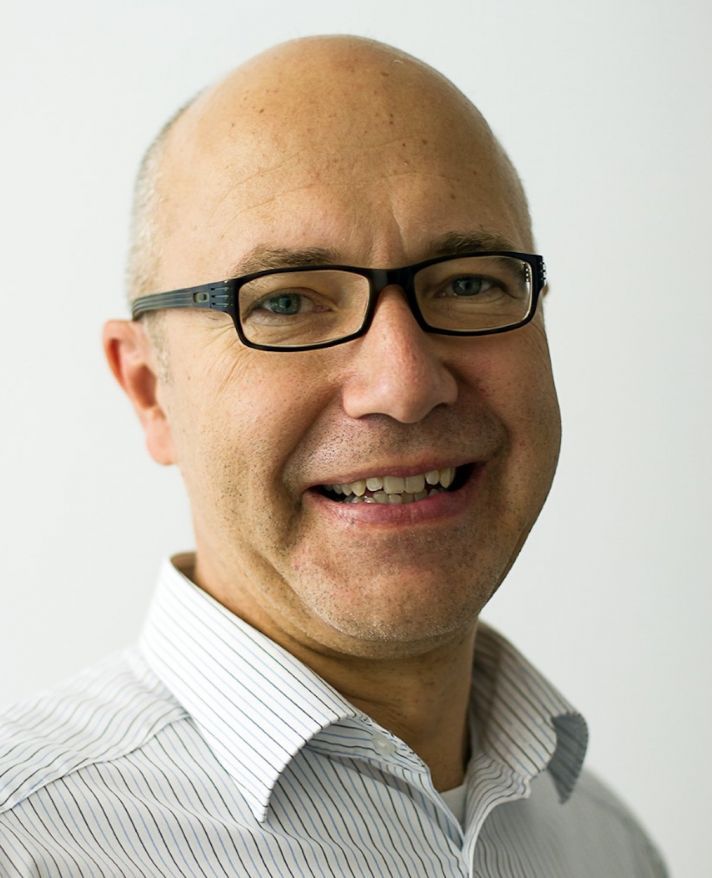
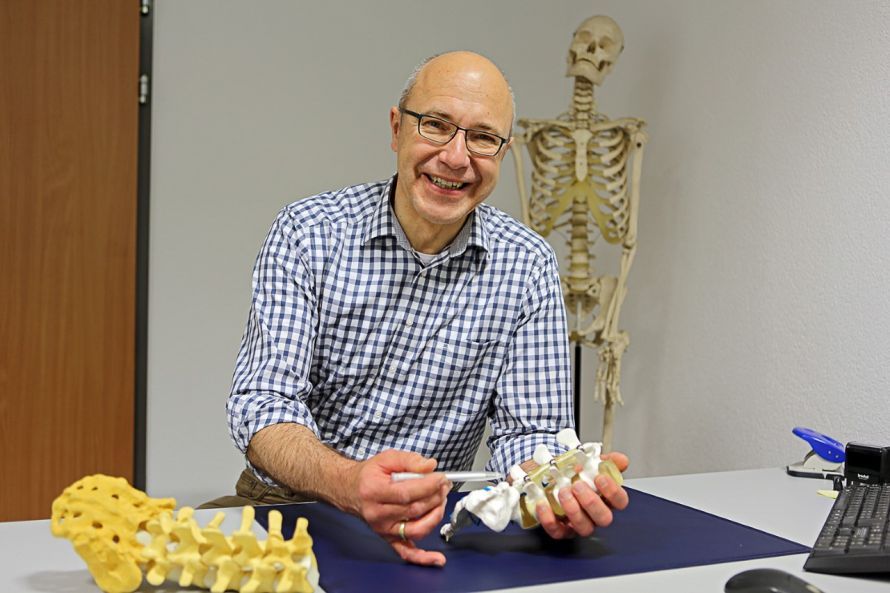
Dr. Ferdinand Krappel, M.D., is a specialist in spinal surgery at the Upper Valais Hospital Center in Brig—and has made the Valais Spine Center well-known far beyond the canton’s borders. The Upper Valais Hospital Center itself is an integral part of the Valais Hospital. Thanks to the excellent, high-quality medical care provided by Dr. Krappel and his team, the Valais Spine Center was recertified for another four years in early 2021 by the German Spine Society and Euro Spine, the European Spine Society.
As a specialist and researcher, Dr. Krappel has been fascinated by the spine for decades. He believes there is still so much new to discover and research in this field. In an interview with the Leading Medicine Guide, Dr. Krappel discusses modern treatment options for the spine and explains the regenerative PRP procedure.
 Leading Medicine Guide: Dr. Krappel, you’ve been working in the field of spinal medicine for three decades. Isn’t that monotonous?
Dr. Ferdinand Krappel: No, not at all. The back isn’t just a single joint like the hip or the shoulder. It consists of many individual joints—large and small—intervertebral discs, muscles, and ligaments. The structure of the spine is unique—stable and resilient, yet flexible and elastic at the same time. We physicians and scientists are still discovering new things about the spine: How does this chain of joints function, how do they interact with one another, or how does one joint block another? The back is—in my view, of course—the most important part of the body.
Leading Medicine Guide: Most people associate the word “back” with pain. Back problems are the second most common reason for sick leave.
Dr. Ferdinand Krappel: Exactly—back pain is terrible, and anyone experiencing it needs to see a doctor immediately—not just in a week. I place the highest priority on this at my clinic. Aside from that, we’re still in the process of learning about and understanding pain from a scientific perspective. Pain has many dimensions—physical, psychological, and chronic. So, with every patient, I first take a great deal of time to analyze their pain together with them: How did it start, where does it occur, when does it appear, and how intense is it?
Leading Medicine Guide: And what about pain that has more psychological causes?
Dr. Ferdinand Krappel: We always experience everything as a whole person; the body and mind are interconnected—they simply cannot be separated. And we doctors cannot always completely eliminate the pain. But we can help the patient learn to cope with it. It’s important to define the goals during the consultation: What does my patient want to achieve? What is medically feasible? How can we enable a life with less pain? When I first started working in Switzerland, I went to see the director of the psychiatric clinic and told him that we would be working closely together from now on. Pain is a complex phenomenon. That’s why I also began studying psychology on the side.
Leading Medicine Guide: So surgery isn’t the first choice for back pain?
Dr. Ferdinand Krappel: Absolutely not. The first thing we do is talk our patients out of surgery. After the pain analysis comes the “technical examination,” so to speak. Think of it this way: The spine has a mechanical structure consisting of vertebrae, ligaments, muscles, and intervertebral discs. And then there’s the “electronics”—the nerves and blood vessels that supply everything. So we look for where the pain might be coming from and try to eliminate it with targeted pain injections. Based on the patient’s feedback, we then proceed slowly and cautiously. Take a close look—that’s my motto.
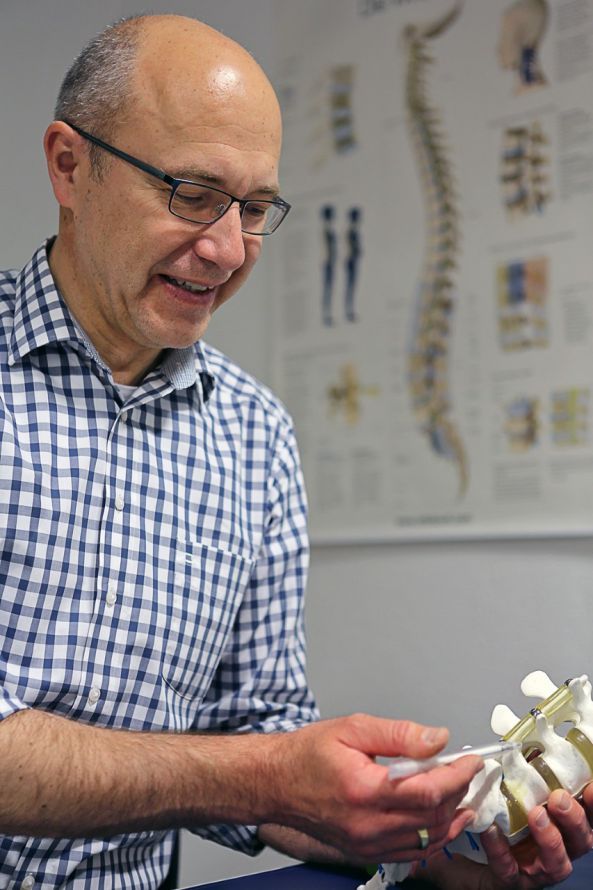
Leading Medicine Guide: Do you mainly see older people with signs of wear and tear in their backs?
Dr. Ferdinand Krappel: No, on the contrary. We’re seeing more and more younger people with degenerative conditions. And these aren’t just people with a predominantly sedentary lifestyle, but also many athletes.
Leading Medicine Guide: Don’t we all think that exercise is healthy?
Dr. Ferdinand Krappel: Of course—exercise is essential, and staying fit makes sense. But in moderation. A young spine that’s still growing should be exercised with caution. Think of it this way: if you sow a lawn and then run right over it, everything gets ruined again. Unfortunately, we’re seeing more and more damage to the intervertebral discs in young people—especially those between the ages of twenty and thirty. The gym certainly plays a role here. Weight training should only be done according to a well-designed workout plan and under professional supervision. But genetic predispositions, lifestyle, and diet also affect the intervertebral discs. In conclusion, I can say that doing a lot of exercise isn’t necessarily good for the body. And here’s something that will surely please those who aren’t big on exercise: taking a one-hour walk every day—you can’t go wrong with that, and it does wonders for your health.
Leading Medicine Guide: What do you do with young patients who come to your office with intervertebral disc problems?
Dr. Ferdinand Krappel: First of all, we’ve changed our approach. In the past, we would implant a dynamic system to stabilize the spine in young people with intervertebral disc damage. But the downside is that such a procedure simultaneously alters the entire system. Now we’ve discovered new methods for treating younger patients: regenerative therapies. Regenerative—or restorative—medicine is about stimulating the regrowth of diseased, injured, or damaged tissue. We motivate the body, so to speak, to heal itself. Orthopedics, in particular, offers a wide field for the application of regenerative methods. A great deal of research and investigation is currently being conducted in this area; there are experimental and clinical studies, but some approaches are still far from widespread medical application.
Leading Medicine Guide: What is already possible when it comes to treating intervertebral disc damage?
Dr. Ferdinand Krappel: For certain types of intervertebral disc damage, we can use the “Platelet-Rich Plasma” (PRP) procedure. This is a relatively new therapy, but one that is becoming increasingly established in orthopedics. In PRP, blood is drawn from the patient and then processed in a specific way. So, in a sense, the patient is treated with a product derived from their own blood. This is possible because platelets play a key role in all of the body’s repair processes. They contain growth factors, stimulate cells, and improve blood flow. This is what the therapy takes advantage of. Using specific centrifugation techniques, platelet-rich plasma is extracted from the patient’s own blood; this is then specially processed and injected into the damaged intervertebral discs.
Leading Medicine Guide: What patients are naturally most interested in is: Does the procedure have any side effects—and how does PRP work?
Dr. Ferdinand Krappel: Because we use the body’s own product in this therapy, there are no side effects. PRP stops inflammatory processes and triggers repair mechanisms. So far, each clinic has developed its own specific preparation methods, but efforts are underway to develop a standardized production process for PRP. Exactly how the enriched plasma works and where it takes effect has not yet been conclusively clarified scientifically. But it helps the intervertebral disc regenerate on its own. I conducted a study in which all patients remained symptom-free and relapse-free even three years after treatment. Often, a single injection is sufficient; some patients require up to three sessions. The results depend somewhat on the condition of the patient’s own blood. The treatment can be performed on an outpatient basis; a session lasts about fifteen minutes. PRP is significantly more effective than cortisone; you’ll need to check with your health insurance provider on a case-by-case basis to see if they’ll cover the treatment.
Share this article
About the medical author
Claudia Dechamps
Editor
Claudia Dechamps – medical author: expert articles, professional insights and medical knowledge in the Leading Medicine Guide.
More about the medical author →Affidea Brig - Center for Spine, Regenerative Medicine and Pain Therapy
ProfileExpert Interviews
Read next
- Expert interview
Cardiogeriatrics: Significance and benefits in the context of hospital reform
Sep 21, 2026
Cardiogeriatrics: Significance and benefits in the context of hospital reform
Read more - Expert interview
Expert Interview with Professor Dr. Amadeus Hornemann, MPH
Sep 18, 2026
Prof. Amadeus Hornemann on Precision Medicine in Gynecology: Modern Surgery, New Techniques, Better Quality of Life
Read more - Expert interview
Expert Interview with Professor Dr. Konstantinos Anagnostakos
Sep 15, 2026
Prof. Anagnostakos on Painful Knee Replacements
Read more