Expert Interviews
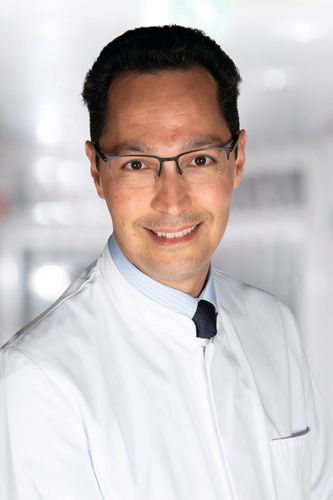
Modern Knee Surgery and Regenerative Therapy: Improving Mobility with Stem Cells and Cartilage Treatment—An Expert Interview with Dr. med. univ. Christian Lang

Alexandra Pfitzmann ·
Dr. med. univ. Christian Lang is a board-certified specialist in orthopedics and traumatology, as well as an expert in sports medicine, with his own private practice in Salzburg. As a knee specialist, he focuses in particular on the diagnosis and treatment of knee problems arising from a wide variety of causes—ranging from acute sports injuries to chronic conditions such as osteoarthritis or degenerative changes in the joint. He combines his many years of experience with state-of-the-art medical procedures and places great emphasis on providing personalized care to his patients. His practice focuses on both conservative and surgical treatment methods.
Dr. Lang relies on a broad spectrum of innovative treatment options, including ACP therapy (autologous blood therapy), shockwave therapy, hyaluronic acid injections, EMTT technology, and regenerative procedures such as stem cell therapy. These methods are used in particular for early-stage osteoarthritis or overuse injuries and aim to alleviate symptoms early on, reduce inflammation, and delay surgery for as long as possible. When surgical intervention is necessary, Dr. Lang offers a comprehensive range of joint-preserving and joint-replacement knee surgeries at the Wehrle-Diakonissen Private Clinic.
These include, among others, cruciate ligament reconstructions, meniscus suturing and replacement, cartilage replacement procedures, realignment and derotation surgeries, as well as partial and total knee replacements. The goal of every treatment is to restore pain-free function and preserve the joint’s natural mobility as much as possible—always with a view toward a rapid and lasting return to daily life or athletic activity. In addition to his specialization in the knee joint, Dr. Lang also treats conditions and injuries of other joints, such as the shoulder, hip, and ankle. Here, too, he employs a personalized treatment approach that combines state-of-the-art technology with in-depth orthopedic expertise.
A thorough diagnostic evaluation, a personal consultation, and an honest assessment of treatment options always form the foundation of every treatment plan. Dr. Christian Lang is distinguished not only by his professional expertise but also by his personal approach. In his state-of-the-art practice in Salzburg, he treats his patients with great dedication and engages them in open, respectful dialogue. The goal of his work is to relieve pain, restore mobility, and thereby sustainably improve his patients’ quality of life—whether they are young athletes, active seniors, or professionals with demanding jobs who suffer from functional complaints.
The editorial team of the Leading Medicine Guide spoke with Dr. Lang about knee surgery and modern treatment approaches.

Knee problems can severely limit quality of life—whether due to sports injuries, overuse, or age-related joint wear and tear. Thanks to modern medical procedures, there are now a wide range of options available to specifically improve the function of the knee joint. Innovative techniques in knee surgery, as well as regenerative approaches such as stem cell therapy or cartilage treatments, not only provide pain relief but often also help preserve the joint structure in the long term. The goal is to make surgical procedures as minimally invasive as possible or, in certain cases, to avoid them altogether—for greater mobility, quality of life, and an active daily routine.
Accurate diagnosis is the foundation of any successful treatment for knee problems—it plays a decisive role in determining whether conservative therapy is sufficient or whether surgery is necessary.
“First and foremost, as in all areas of medicine, a thorough medical history and clinical examination take priority. It is particularly important for me to find out how long the symptoms have been present and whether there has been any prior treatment—especially by other doctors or colleagues. This influences the next steps that follow. When it comes to diagnostic imaging, I rely primarily on conventional X-rays and MRI; these are my two most important methods. Depending on the clinical question, I may also use ultrasound, a high-quality CT scan, or other imaging modalities—whichever is available to obtain the most accurate picture and a well-founded assessment. The goal is to perform what is known as staging—that is, to accurately assess the current stage of the disease and determine whether conservative treatment is possible. I was originally trained as a surgeon, but due to technical advancements in recent years, conservative therapy has become significantly more important and, in many cases, is now just as effective as surgery. “The decision between conservative and surgical treatment is ultimately always an individual one—it depends, among other things, on the patient’s age, any pre-existing conditions, and, of course, their overall health,” explains Dr. Lang at the beginning of our conversation.
In cases of early-stage or functional knee problems, surgery can often be avoided. Instead, individually tailored conservative therapies are used. The focus is on physical therapy to strengthen muscles and stabilize the joint. In addition, injections of processed autologous blood (ACP) or hyaluronic acid can help with cartilage damage or inflammatory conditions. Modern physical therapies such as shockwave or EMTT therapy support pain relief and tissue regeneration. For chronic pain, multimodal pain management may be beneficial. The goal is to alleviate symptoms, preserve knee function, and avoid surgery whenever possible.
Regenerative cartilage treatment with stem cells can be a particularly useful alternative to surgery if the cartilage damage is not yet too advanced and there are no mechanical blockages, pronounced axial misalignments, or ligament instability.
Especially in younger or physically active patients with localized cartilage defects—such as those resulting from an accident or early-stage osteoarthritis—this form of therapy can often delay or even prevent the need for surgery. Stem cell therapy aims to stimulate the body’s own ability to regenerate cartilage and improve joint function naturally. Stem cell therapy is often combined with other procedures, such as ACP therapy or hyaluronic acid, to enhance the effect and further improve the joint environment.
“The correct term for the cells used is mesenchymal stromal cells (MSCs) or perimesenchymal cells. Nevertheless, the term ‘stem cell therapy’ has become established because it is easier to understand for patients as well as for medical professionals outside this specialty. This therapy is particularly suitable for patients with deep, locally confined cartilage defects in which previous surgical interventions have failed to achieve sufficient cartilage healing. The range of surgical procedures for cartilage treatment is broad—it extends from microfracturing to procedures such as Autocart or minced cartilage techniques, all the way to complex and costly cartilage cell transplantation. If such procedures do not yield satisfactory results, stem cell therapy may be a viable alternative. Older patients with advanced cartilage degeneration, as well as younger people with pre-existing damage from surgeries—such as on the cruciate ligament or meniscus—and severe third- or fourth-degree cartilage lesions also benefit from this treatment. Preparation for the therapy is straightforward and essentially limited to diagnostic testing. In addition, an ultrasound is usually performed on the area from which the stem cells are harvested—typically the abdominal wall. The procedure itself takes about an hour, is performed on an outpatient basis, and is usually done under local anesthesia; light sedation is also available upon request. This completes the actual treatment. This is followed by a personalized post-treatment plan that includes targeted physical therapy, careful mobilization, and supportive measures such as dietary supplements. “The entire therapy is always tailored to the individual patient’s needs,” explains Dr. Lang.
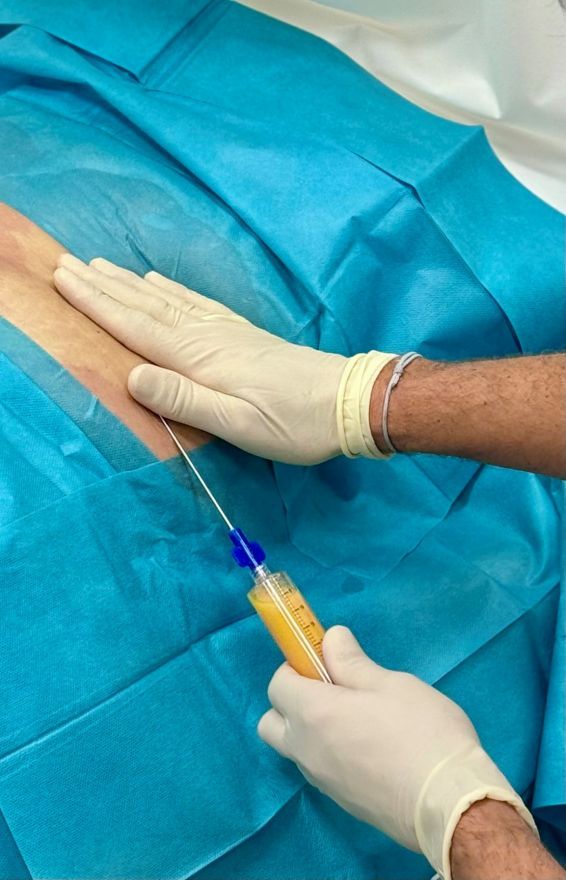
For patients to benefit from stem cell treatment in the knee joint, certain medical criteria must be met. The extent of the cartilage damage is the primary determining factor. The therapy is particularly suitable for people with localized cartilage defects or early-stage osteoarthritis, in whom the overall joint structure is still intact. The cartilage layer must not yet be completely destroyed, and the joint should be neither severely deformed nor unstable. Even significant alignment abnormalities—such as pronounced bowlegs or knock-knees—should be corrected beforehand, as they can negatively impact the success of the treatment.
Modern cartilage-preserving procedures differ significantly from traditional knee surgeries in several respects, particularly when considering the healing process and long-term load-bearing capacity.
“Cartilage transplantation is a complex surgical procedure that is usually performed in two stages. First, the patient’s cartilage cells are harvested and cultured in the laboratory. In a second surgery, the cultured cartilage tissue is then implanted into the affected area. A simplified version of this procedure involves harvesting the patient’s own cartilage cells directly during surgery, processing them—for example, by mincing them into a fine paste—and applying them to the defect using the body’s own adhesive. This method also requires surgery under anesthesia with an inpatient stay. In contrast, stem cell therapy is a minimally invasive procedure. In this procedure, stem cells—usually from adipose tissue—are harvested, processed, and injected into the affected joint. These cells are characterized by their so-called pluripotency, meaning they can develop into various cell types. The goal is to trigger regenerative processes through their interaction with the surrounding tissue, reduce inflammation, and stabilize the cartilage tissue. However, stem cell therapy is only suitable if a certain basic structure of the cartilage is still present. In cases of deep defects extending down to the bone, it is not sufficient on its own. In such cases, a combination of surgical cartilage treatment followed by stem cell administration may be beneficial to promote regeneration and stabilize the defect in the long term,” states Dr. Lang.
It is important to make a realistic assessment of the individual situation, as success depends heavily on the extent of the damage, the patient’s cooperation, and the careful selection of the appropriate procedure. The goal is always to preserve the joint’s natural function for as long as possible—and thereby maintain not only mobility but also quality of life.
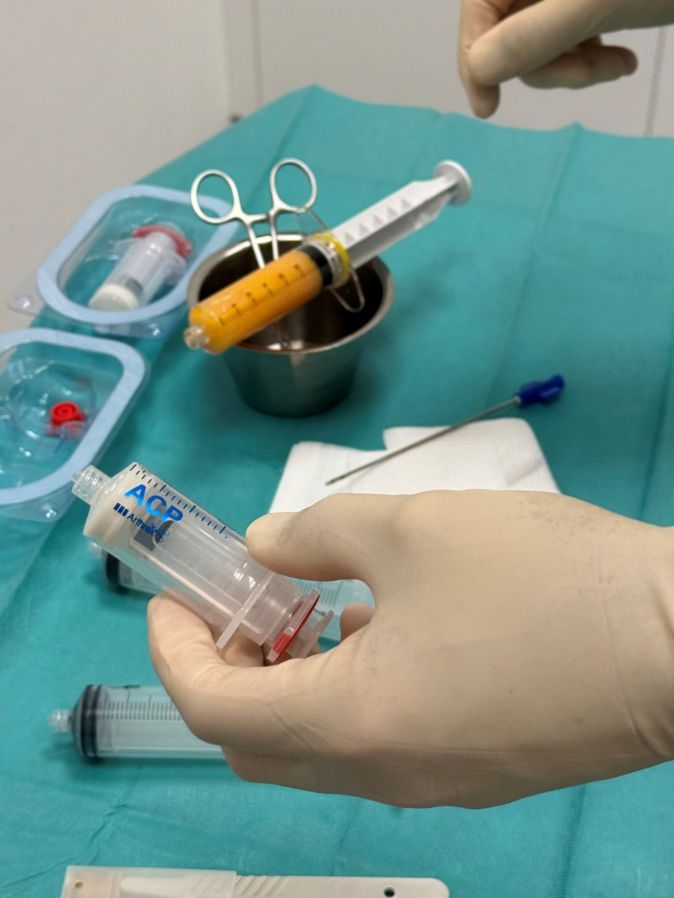
The first noticeable improvements after treatment often occur very early on—many patients report initial relief as early as the day of treatment or the day after. In other cases, it takes about two to three weeks. However, the actual effect of the therapy can continue to develop over a period of up to six months. Within this half-year, the full effect unfolds, and everything achieved during this period is considered the potential therapeutic outcome.
“Once these six months have passed, the effect is generally complete. From this point on, it is increasingly common for the improvements achieved to last for three to four years—without any additional measures. Should the need arise again after a few years, the procedure can generally be repeated. However, it must be reassessed whether the condition of the affected joint has deteriorated in the meantime and whether repeating the treatment is advisable. This is not a procedure that regenerates the joint or completely restores the cartilage. Rather, the goal is to alleviate symptoms, improve mobility, and enhance quality of life. However, complete restoration of the joint is not achieved through this method. There is no formal limit on the number of times the procedure can be repeated. However, there are still insufficient long-term results available across multiple treatment cycles—for example, over twelve years or more. In addition to the medical merits, the economic aspect must also be considered, as the costs are not covered by statutory health insurance in many cases. Patients usually bear the costs themselves or through private supplemental insurance,” says Dr. Lang, adding:
“The stem cell therapy itself is largely painless for most patients. Fat cells are typically harvested from the abdominal wall under local anesthesia. An anesthetic is injected under the skin along with a solution, making the procedure virtually painless. Patients may feel only a slight tugging or pinching sensation, but this usually lasts only a very short time. The injection into the joint is somewhat more uncomfortable, as local anesthesia is not used there—it would impair the effectiveness of the stem cells. Instead, the skin at the injection site is heavily numbed using cold therapy, which significantly reduces the pain. The actual injection then usually causes only a brief, pressure-like pain. In the hours or one to two days following the procedure, an uncomfortable sensation of pressure may occur, as the injected substance is significantly more viscous than that used in conventional injections. However, this discomfort can be effectively managed with common pain relievers.”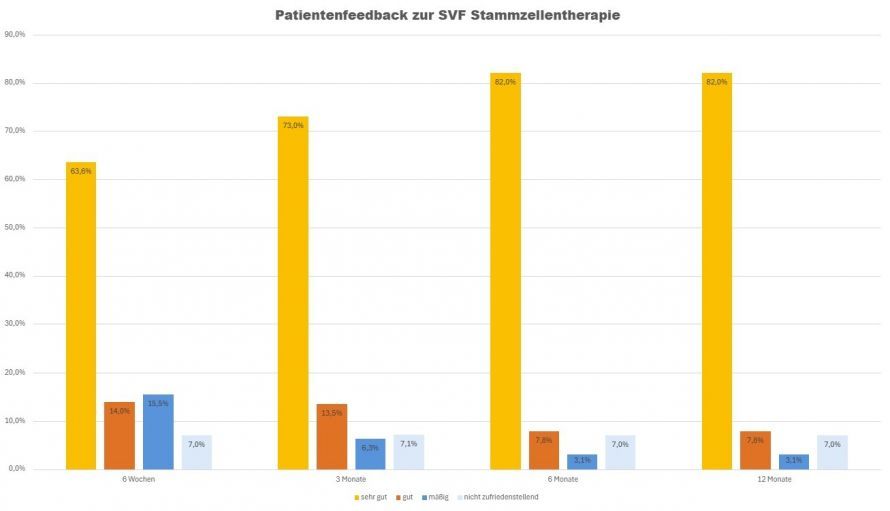
The combination of knee surgery and biological regeneration—such as through autologous blood treatments or stem cell therapies—represents a promising advancement in orthopedic therapy, as it naturally promotes joint healing and can improve the outcomes of surgical procedures. This integrative approach makes it possible to combine the advantages of modern surgery with the regenerative properties of biological therapies to optimize both pain relief and long-term healing.
Cortisone is frequently used for acute symptoms, particularly in the knee joint, to provide rapid pain relief. Compared to stem cell therapy, the greatest advantage of cortisone is its very rapid onset of action. When combined with a pain reliever, the inflammatory response is usually suppressed immediately, leading to a rapid improvement in symptoms.
Dr. Lang emphasizes: “Cortisone neither contributes to cartilage regeneration nor does it improve the long-term function of the synovial membrane or the joint capsule, which play a central role in the course of the disease. It is therefore a short-term solution whose effects—depending on the case—last a few weeks or, in rare cases, a few months. There is no structural improvement in the joint. For this reason, from the perspective of a sustainable therapy, cortisone is not really comparable to stem cell therapy. Cortisone is primarily used when immediate relief is needed—for example, in the case of an acutely swollen and painful knee ahead of an upcoming trip or an important event. In such cases, cortisone provides rapid relief, whereas stem cell therapy requires some planning and time for the effects to take hold. However, cortisone is not suitable for long-term results and is therefore generally used only in acute, exceptional situations. Stem cell therapy, on the other hand, aims not only at short-term pain relief but also at a long-term improvement in joint function. It stimulates regenerative processes and can thus produce positive effects over months and years. Side effects are extremely rare. There are hardly any contraindications—only in patients on strong blood thinners must medication be temporarily adjusted for the treatment, similar to what happens during surgery. A 48-hour interruption is usually sufficient. The procedure is performed in a specially equipped procedure room under monitor surveillance, ensuring patient safety throughout the entire process. The only limitations apply in cases of very advanced osteoarthritis—in such cases, a case-by-case assessment must be made to determine whether the treatment is still appropriate.”
In the future, the range of treatment options at the practice in Salzburg will be expanded even further—some of these options are already available. These include, for example, ozone therapy, which has been shown to stimulate stem cell activity. This method serves as a supportive measure to further promote regenerative processes. Cryotherapy is also being used more frequently and is already an integral part of the conservative treatments offered.
“The range of therapeutic options is very broad overall. It includes infusion therapies to regulate acid-base balance as well as targeted nutritional supplements, which are specially developed and tailored in collaboration with pharmacists. In particular, collagen-based preparations have been shown in studies to aid in the regeneration of various tissue structures in the body. This is supplemented by other proven substances such as coenzyme Q10 and high-quality omega-3 fatty acids. The goal is to provide patients with holistic care—from the first contact through to the completion of treatment. We use both conservative and surgical approaches, supported by therapeutic massage, physical therapy, and individually tailored measures to ensure the best possible care,” explains Dr. Lang, who also offers a few recommendations for preventing cartilage damage:
“From a medical perspective, there are some common mistakes people make when it comes to caring for their knee joints. People who are physically inactive often tend to be overweight—a significant risk factor for joint problems. Conversely, physical activity can also be problematic if not performed correctly. Running, in particular, is a popular choice, even though it can be very stressful, especially for those with existing joint problems or old injuries. It therefore makes sense to choose a sport carefully. A visit to an orthopedist or sports medicine specialist can help assess your individual condition—such as leg alignment, muscle structure, or overall joint resilience. Often, people lack a balanced training plan: Many focus exclusively on endurance training and neglect strength training, which is just as important. Stretching, such as through yoga, is also often overlooked, even though it contributes significantly to joint health. Fundamentally, many people lack a conscious understanding of their own physical limits. A medical evaluation can help identify the right type of activity. A balanced approach also plays a central role in nutrition—neither purely plant-based nor exclusively protein-heavy. A balanced acid-base balance is also crucial: a low acid level has a positive effect on joints, tendons, and muscles and can significantly reduce inflammatory reactions in the body.”
Thank you very much for the interview, Dr. Lang!
Share this article
Expert Interviews
Read next
- Expert interview
Expert interview with Professor Dr Elmar Herbst, PhD
Oct 15, 2026
Patient-centred and personalised knee surgery
Read more - Expert interview
Cardiogeriatrics: Significance and benefits in the context of hospital reform
Sep 21, 2026
Cardiogeriatrics: Significance and benefits in the context of hospital reform
Read more - Expert interview
Expert Interview with Professor Dr. Amadeus Hornemann, MPH
Sep 18, 2026
Prof. Amadeus Hornemann on Precision Medicine in Gynecology: Modern Surgery, New Techniques, Better Quality of Life
Read more