Expert Interviews
"Dr. Robot," the Medical Assistant: Prof. Caversaccio Restores Hearing
Sabine Schneider ·
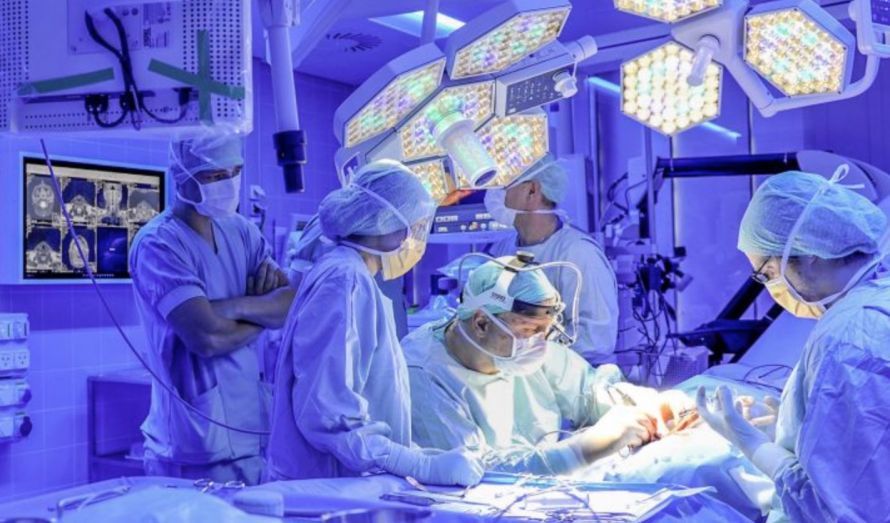
In recent years, medicine has made some astonishing advances—for example, in the field of computer-assisted surgery. In the field of otolaryngology as well, there are specialists who use this state-of-the-art technology: Prof. Dr. med. Marco Domenico Caversaccio, who specializes in particularly complex tumors of the head and neck at Inselspital Bern, has already been able to restore hearing to many deaf patients. He explained in detail to the Leading Medicine Guide what this entails.
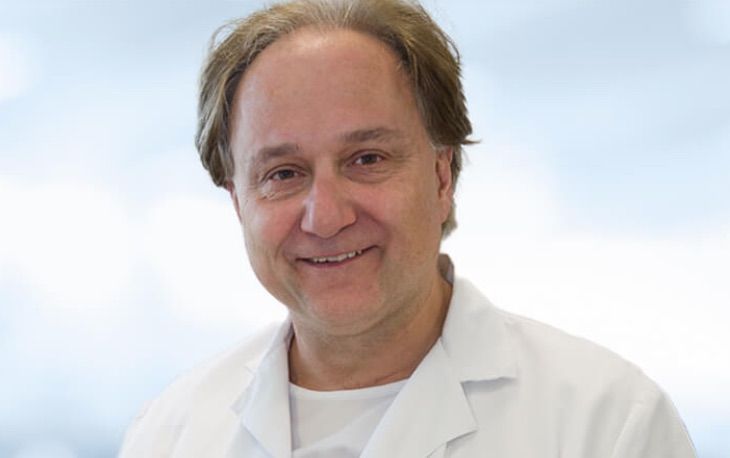
As clinic director and chief physician, Prof. Caversaccio heads the University Clinic for ENT, Head, and Neck Surgery at Inselspital; he is also deputy director of the ARTORG Center for Biomedical Research at the University of Bern. This internationally renowned center offers a glimpse into what the ENT specialist has been intensively focusing on for quite some time. For at the ARTORG Center—just as at Inselspital—the course is being set for the future. They are experimenting with artificial intelligence there. So it’s no wonder that Prof. Caversaccio uses the latest robotic technology. What’s more: Thanks to his early focus on technical development, he has long possessed a wealth of experience. He has also set standards from the very beginning when it comes to particularly innovative robotic technology in the field of ENT.
Leading Medicine Guide: Professor Caversaccio, did you quickly realize that the ENT field in particular benefits so greatly from robotic assistance?
Prof. Dr. med. Caversaccio: That’s obvious, precisely because we ENT physicians deal with the smallest bones in the human body and because our work demands tremendous manual dexterity anyway. We’re talking about vital sensory organs here—and because, for example, it is primarily the ability to hear that allows people to participate in social life. Until recently, those who had lost this ability had little hope that their condition would ever change. But since medicine is making such tremendous progress, different standards apply today: We have already frequently succeeded in restoring the ability to hear to deaf people—in a way that allows them to lead a social life with virtually no disruption.
Leading Medicine Guide: How would you describe the success rate?
Prof. Dr. med. Caversaccio: Certainly, even “Dr. Robot” doesn’t always succeed. But if it’s conceivable to compensate for hearing loss—even up to complete deafness—then we leave no stone unturned. To do this, we rely on state-of-the-art, completely newly developed hearing aids—for example, cochlear implants that can be successfully implanted in the ear. Older patients in particular, who have become nearly deaf due to illness, for instance, can suddenly rejoice in their regained ability to hear.
Leading Medicine Guide: But how exactly does this work with the robot that so many patients are pinning their hopes on?
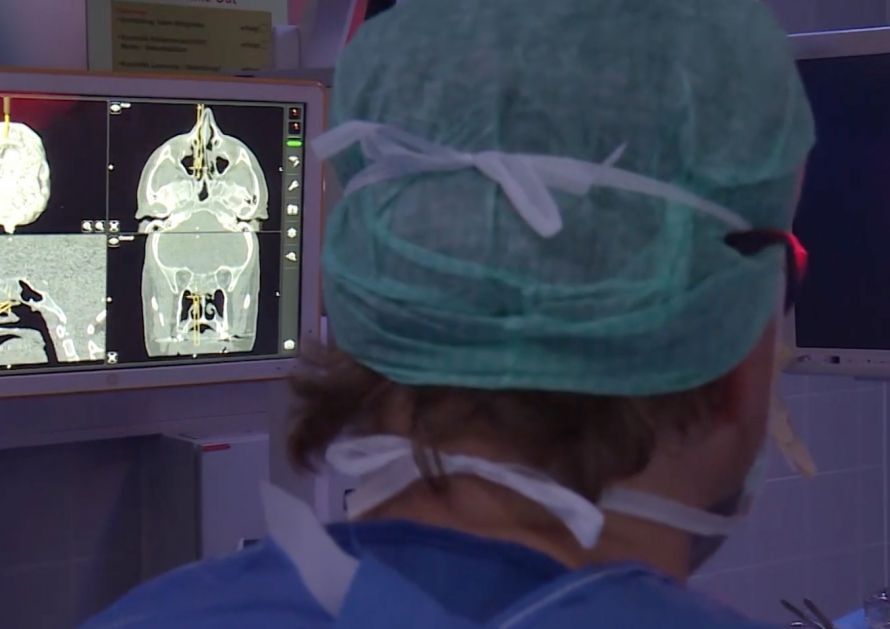
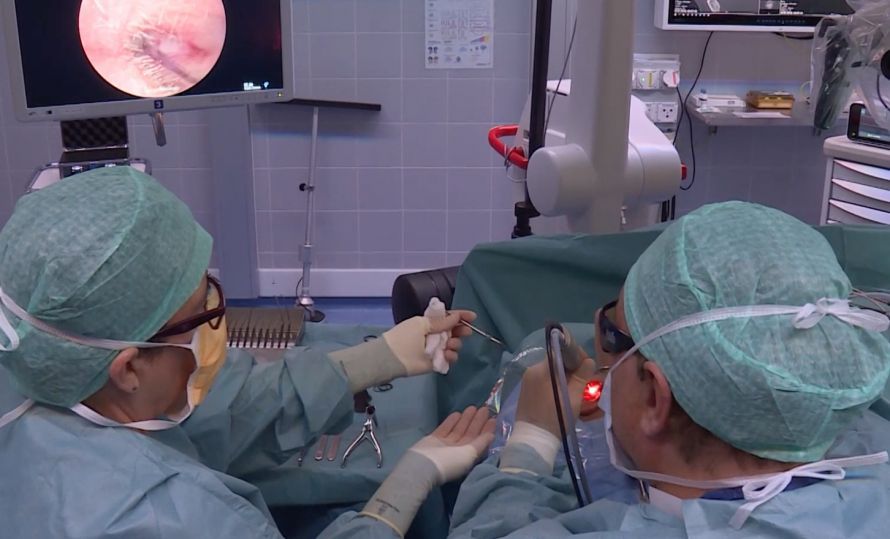
Prof. Dr. med. Caversaccio: Well, the path to the cochlea—that is, the inner ear—is very narrow. To reach the target with precision along this narrow path into the inner ear, you need not only tremendous dexterity and a steady hand far beyond the average but also the appropriate technology to pave the way there. This allows us—with technical assistance—to accurately place the electrode at the entrance to the cochlea. The idea of using implants to compensate for hearing loss is by no means new. The first implants were placed in the ear as early as the 1980s. However, those had to take detours, such as through the skull bone. And that always carried a high risk.
Leading Medicine Guide: So things have changed significantly in just a few decades. How exactly?
Prof. Dr. med. Caversaccio: With the help of the robot, a channel less than two millimeters wide is drilled, which passes by the gustatory and facial nerves and extends to the entrance of the cochlea. At the end of this tunnel, the implant is then inserted, which transmits the precisely calculated electronic signals to the cochlea. The results never cease to amaze even us.
Leading Medicine Guide: Is the development already complete, or are there still new goals?
Prof. Dr. med. Caversaccio: The number of cochlear implants I’ve inserted so far is now in the triple digits. My goal is to eventually be able to perform outpatient procedures with the help of “Dr. Robot.” Then patients who are treated in the morning could leave the clinic again that same evening. With one major difference: they can hear!
Professor Caversaccio, thank you for the interesting conversation!
Word of this renowned specialist’s expertise has, of course, spread by now. As a result, patients from all over the world come to Bern to benefit from the professor’s expertise. This expertise extends far beyond implants and tumor surgeries on the head and neck—and also includes, for example, laryngectomies, in which the utmost care is taken to preserve the voice and thus the ability to speak. Here, too, Prof. Dr. med. Marco Domenico Caversaccio relies on the support that has made him well-known in professional circles: computer-assisted procedures. Do you have any questions or would you like to contact the doctor directly? Then visit his profile page on the Leading Medicine Guide expert portal!
Share this article
About the medical author
Sabine Schneider
Editor-in-Chief
Sabine Schneider – medical author: Explore expert articles and medical expertise in the Leading Medicine Guide.
More about the medical author →Insel Hospital Bern
ProfileExpert Interviews
Read next
- Expert interview
Cardiogeriatrics: Significance and benefits in the context of hospital reform
Sep 21, 2026
Cardiogeriatrics: Significance and benefits in the context of hospital reform
Read more - Expert interview
Expert Interview with Professor Dr. Amadeus Hornemann, MPH
Sep 18, 2026
Prof. Amadeus Hornemann on Precision Medicine in Gynecology: Modern Surgery, New Techniques, Better Quality of Life
Read more - Expert interview
Expert Interview with Professor Dr. Konstantinos Anagnostakos
Sep 15, 2026
Prof. Anagnostakos on Painful Knee Replacements
Read more