Expert Interviews
Expert Interview with Dr. Stylianos Toumasis - Pioneering Hip Surgery: The AMIS Method for Less Invasive and More Effective Implantations

Alexandra Pfitzmann ·
Dr. Stylianos Toumasis is a Senior Physician in Endoprosthetics and Director of the Endoprosthetics Center for Maximum Care (EPZmax) at the Nardini Klinikum St. Johannis in Landstuhl near Kaiserslautern. As a board-certified specialist in orthopedics and trauma surgery with several additional qualifications—including specialized orthopedic surgery, sports medicine, physical therapy, and manual medicine and chiropractic therapy—he brings an exceptionally broad and in-depth expertise to his practice. He combines his medical expertise with management know-how: a Master of Science in Health Care Management rounds out his profile and enables him to combine medical excellence with an efficient care structure.
Stylianos Toumasis specializes in hip, knee, and shoulder joint replacement. In hip replacement surgery, he primarily relies on minimally invasive procedures such as the AMIS method, which allows prostheses to be implanted in a way that preserves muscle tissue and results in a shorter rehabilitation period. He also brings extensive experience to revision surgeries on the hip and knee. In the field of knee arthroplasty, he uses state-of-the-art robot-assisted techniques, particularly the CORI system (Computer Assisted Orthopedic Robotic Instrument), which enables precise, individually tailored implant positioning—a key factor in the durability and functionality of artificial joints.
The Nardini Clinic in Landstuhl, where Dr. Toumasis practices, is one of the leading facilities in the region, performing over 800 joint replacement surgeries annually. As a certified EPZmax facility, it meets the highest quality standards, which are regularly reviewed as part of the EndoCert certification process. Here, an interdisciplinary team of specialists, nurses, physical therapists, and orthopedic technicians works closely together to provide patients with comprehensive care from the initial consultation through follow-up care. A particular focus is on the treatment of advanced osteoarthritis of the hip and knee. When conservative treatments are no longer effective, state-of-the-art surgical techniques are employed. For example, the AMIS method for hip osteoarthritis enables faster mobilization after surgery, while robot-assisted knee surgery with partial or total prostheses is individually tailored to each patient’s anatomy.
Stylianos Toumasis is committed to providing medically precise, patient-centered, and compassionate care. His goal: to relieve pain, preserve mobility, and sustainably improve quality of life—using state-of-the-art technology, medical expertise, and a team that works together to ensure the well-being of every single patient.
The editorial team at Leading Medicine Guide took the opportunity to speak once again with Dr. Stylianos Toumasis about the successful AMIS method in hip replacement surgery.

Hip replacement is one of the most common and successful orthopedic procedures when quality of life is severely impaired by osteoarthritis or other degenerative diseases of the hip joint. In recent years, surgical techniques have continued to evolve—with the goal of enabling patients to recover more quickly, experience less pain, and achieve the most natural mobility possible. Of particular note here is the AMIS method (Anterior Minimally Invasive Surgery), a minimally invasive approach through the anterior hip muscles. This technique spares muscles and soft tissues, which generally results in less blood loss, a shorter rehabilitation period, and earlier mobilization. The AMIS method has now proven itself as an established procedure in modern hip replacement surgery and represents a particularly gentle and effective treatment option for many patients.
The AMIS method differs fundamentally from conventional surgical techniques for hip replacement, particularly in terms of the chosen approach and the handling of soft tissues.
While traditional procedures, such as the lateral (side) or dorsal (back) approach, often require cutting or detaching muscles and tendons, the AMIS method uses an anterior approach through a natural muscle gap. “The AMIS method, in which hip replacement is performed from the front—that is, anteriorly—represents an innovative and significantly less invasive technique compared to traditional approaches. While conventional procedures often involve cutting or detaching muscles and tendons, the AMIS method uses a specialized access technique that optimizes protection of the muscles and nerves. What makes this procedure unique is that no tendons are cut and no muscles are detached, resulting in a significant reduction in soft tissue damage. Although the anterior approach is anatomically complex, the use of specialized instruments and precise visualization of the joint allows for optimal viewing of the surgical field. As a result, despite its greater difficulty due to the challenging visualization requirements, this technique is not only safe but also highly precise. Experienced surgeons require approximately 40 to 50 minutes to implant a prosthesis via the AMIS approach—comparable to conventional procedures. The key benefit for patients lies in the significantly reduced muscle and tendon injury, which leads to less blood loss, a lower risk of blood transfusions, and a reduced likelihood of postoperative complications such as dislocations. Studies show that the revision rate is significantly lower with this method, which is attributable to the precise placement of the prosthesis and minimal soft-tissue damage,” explains Dr. Stylianos Toumasis at the start of our conversation, adding:
“The optimal selection of instruments and the special positioning of the leg on an extension table provide an excellent view of the joint, enabling more precise implantation. The incision in the AMIS method is usually only 6–8 centimeters, roughly the length of a conventional scar. This makes this minimally invasive technique not only gentle but also extremely precise, which significantly improves the longevity and stability of the prosthesis and reduces the likelihood of revision surgery. The surgical approach in the AMIS technique is made between the sartorius muscle and the tensor fasciae latae muscle. As a result, no muscle is cut or detached from the bone, which significantly preserves the muscular and tendinous structures. This approach results in less intraoperative trauma and generally allows for faster patient mobilization. In addition, patients typically experience less pain after surgery, which accelerates the rehabilitation process and reduces the need for pain medication. The risk of certain complications, such as prosthesis dislocation or long-term muscle weakness, is also lower with this approach. However, the AMIS method requires precise technical execution and appropriate surgical experience, as the access is more challenging than with conventional techniques due to the confined anatomical conditions. “It offers a modern, minimally invasive alternative in hip replacement surgery that, with appropriate patient selection and in experienced hands, provides clear advantages for the healing process and postoperative quality of life.”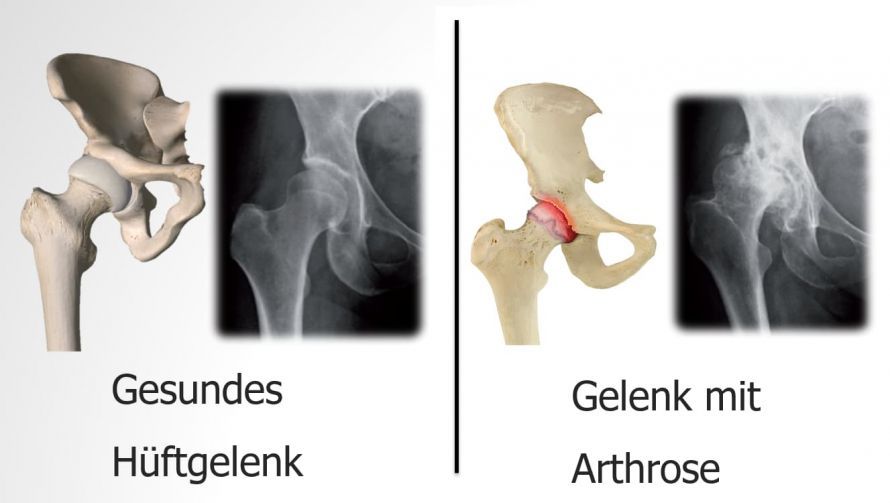
When using the AMIS method for hip replacement, the surgical environment changes significantly. The patient is positioned on a special, high-precision operating table on which the operated leg is held in a particularly stable position. The patient’s upper body remains untouched by the surgical team while the anesthesiologist administers anesthesia. This positioning allows the procedure to be performed under either general or regional anesthesia, which offers significant flexibility for patients with certain pre-existing conditions.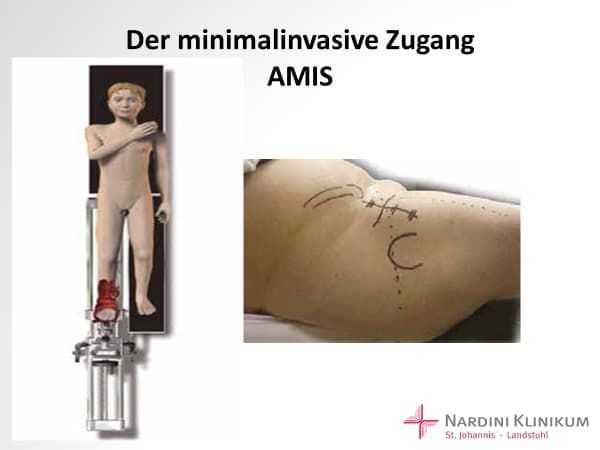
“During the surgery, only a single assistant works with the surgeon on the side being operated on. This is a major advantage over other methods, which typically require two assistants. Instrumentation is handled by a specially trained nurse who provides the surgeon with the necessary instruments, thereby supporting the procedure efficiently and precisely. As for technical equipment, the specialized equipment for the AMIS method—particularly the extension table—is an investment that many hospitals have now made; however, it remains high-end equipment that is not available in every hospital. While the AMIS technique was originally rarely used in hospitals in southwestern Germany, the procedure has since become much more widespread. The hospital where this method is consistently applied is one of the leading facilities that implants the most AMIS prostheses, including in revision surgeries. In revision surgeries, such as acetabular or head replacements, the minimally invasive AMIS method offers advantages including minimal blood loss, no muscle damage, and a faster return to weight-bearing. “However, the AMIS method is not suitable for every revision surgery,” says Dr. Toumasis, adding:
“Navigation technologies generally play a smaller role in hip implantation using the AMIS method than, for example, in knee arthroplasty, since the method is based on precise manual planning. Although robotic systems are used in other areas of orthopedics, their use in hip replacement using the AMIS technique is rather the exception, as experience has shown that the procedures can be performed relatively quickly and without any significant advantage from using a robot. Surgical planning for the AMIS method is usually carried out using modern imaging techniques and individualized anatomical planning. The only limitation applies in cases where the surgical site is already compromised by infections, prior surgeries, or vascular involvement. With increasing experience, the method has also been successfully applied to overweight patients, which significantly increases its flexibility and applicability.” 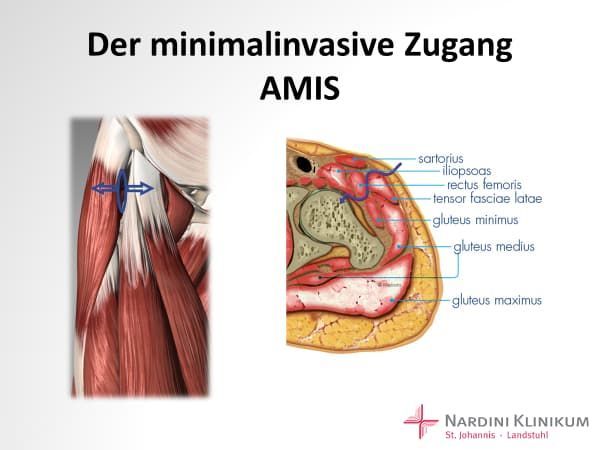
Postoperative pain management and the time to mobilization differ significantly between patients who have undergone surgery using the AMIS method and those who have undergone other minimally invasive or conventional surgical procedures.
Studies and clinical experience show that many patients can be mobilized just a few hours after the procedure, as pain levels are lower and muscle function is largely preserved. This contrasts with posterior or transgluteal approaches, which often require muscle groups to be detached or transected, potentially leading to more severe postoperative pain, muscle weakness, and delayed mobilization. 
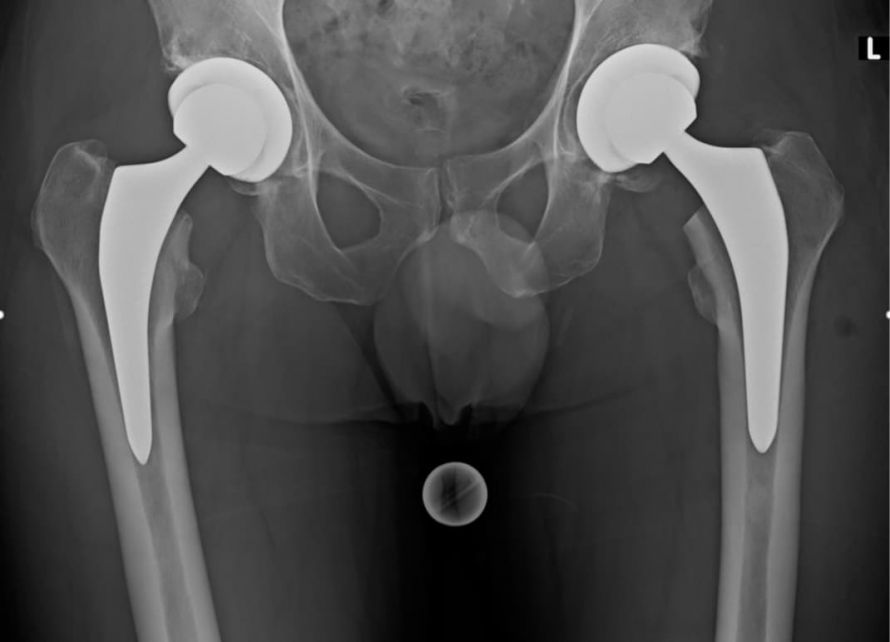
“Follow-up care usually takes place at the orthopedic surgeon’s outpatient practice. After about six weeks, the patient’s orthopedic surgeon reviews the healing process. In special situations or in the event of complications, patients can return directly to us at any time. We consider the experience of being cared for from the surgery right through to providing feedback on recovery to be a major advantage for our patients. In addition, about a year after surgery, we send out a questionnaire to gather honest feedback on satisfaction and any potential problems. This feedback provides us with important data for further improving the quality of our care,” explains Stylianos Toumasis. 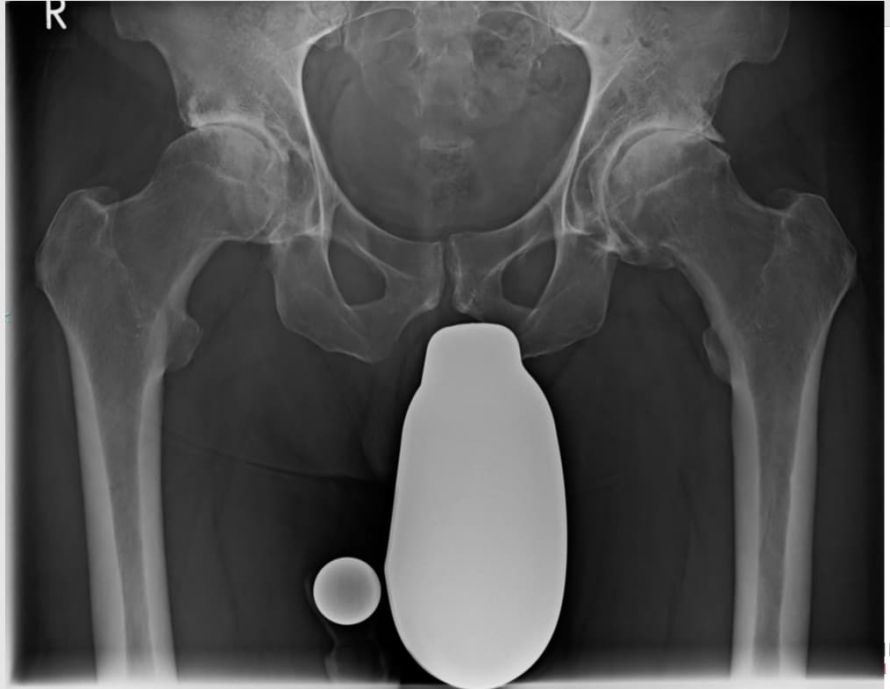
The Nardini Klinikum St. Johannis is a recognized and certified maximum-care joint replacement center. The certification is based on the highest quality standards, which are verified by independent auditors. This makes it one of the leading clinics in Germany offering comprehensive care for joint replacement surgeries. The center is distinguished by close interdisciplinary collaboration, state-of-the-art technical equipment, and a highly qualified team of specialists. 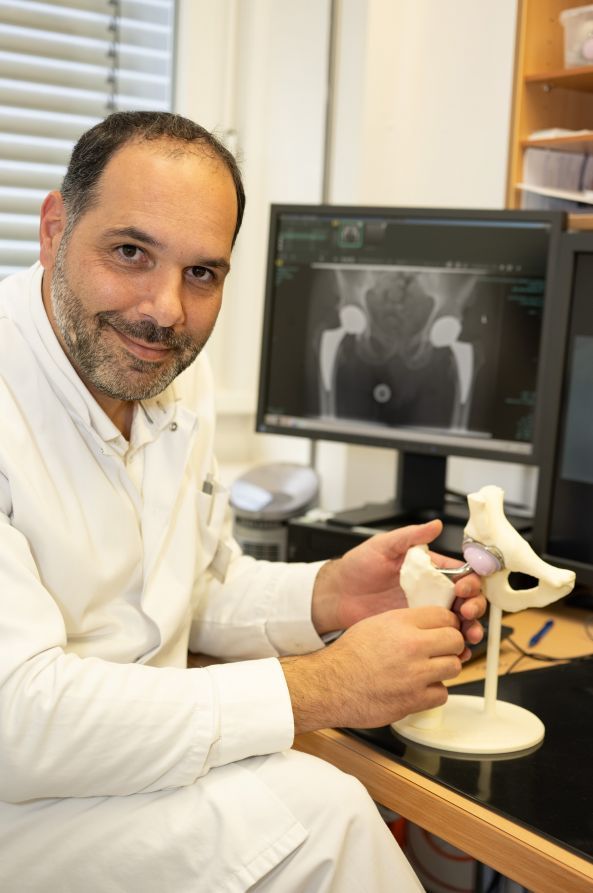
“At our clinic, interdisciplinary collaboration is a central component of our treatment plans. After a patient undergoes surgery, discharge typically occurs after about five to seven days, depending on when the patient begins rehabilitation. Rehabilitation appointments are scheduled at the time the surgery date is set, ensuring that rehabilitation can begin seamlessly following the operation. Our clinic is accredited as a certified maximum-care endoprosthetics center and has been successfully recertified every year since 2013. The certification is based on high standards that are verified by external auditors. Close collaboration with anesthesiologists, internists, physical therapists, and social workers is essential in this process. We follow standardized procedures that are nonetheless tailored to each individual patient to ensure the best possible care. The goal is to minimize complications and provide optimal support throughout the recovery process,” says Dr. Toumasis, adding:
“Although patient satisfaction does not play a direct role in certification, we view it as an important parameter for continuously optimizing care. We respond specifically to both positive and negative feedback to constantly improve treatment. The certification is based on objective quality indicators such as surgery duration, complication rates, and the number of blood transfusions. For quality assurance and monitoring, all data are recorded in national registry systems, such as the Endoprosthesis Registry, which documents all prosthesis-related complications. “The high quality of our AMIS method is exemplified by significantly lower complication and blood transfusion rates compared to conventional procedures.” 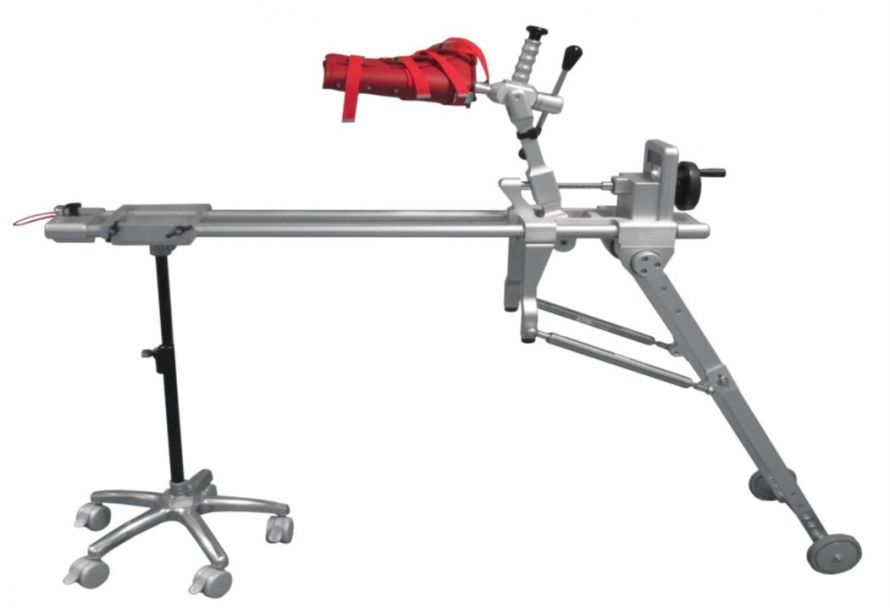
The AMIS method is a comparatively complex surgical technique that requires a certain learning phase for the surgeon.
Dr. Toumasis explains: “Despite its relative simplicity compared to other procedures, the AMIS method has a flat learning curve, which means that while it is easy to learn, it requires consistent practice and guidance from experienced colleagues. It is important that surgeons regularly apply the standards and specific features of this method, because practical experience—which grows through frequent surgeries—makes the decisive difference. There are specialized courses where doctors can learn the technique, but what is crucial is that the method is not based on sudden leaps in experience but is internalized through continuous practice and guidance from experienced surgeons. How quickly someone masters the technique depends heavily on individual talent: Some need only a few weeks to operate confidently, while others take up to a year to fully develop the routine. At our clinic, training and continuing education take place as part of daily practice. We perform more than 500 hip replacements annually, many of them using the AMIS method. For over 15 years, we have performed more than 5,000 minimally invasive hip surgeries using this method. The surgeons who have mastered this method are the center’s senior lead surgeons and lead surgeons, and they can demonstrate a track record of performing at least 50 and 100 replacements per year, respectively. This ensures that every surgery is performed by an experienced specialist who has mastered the technique and guarantees optimal treatment outcomes.”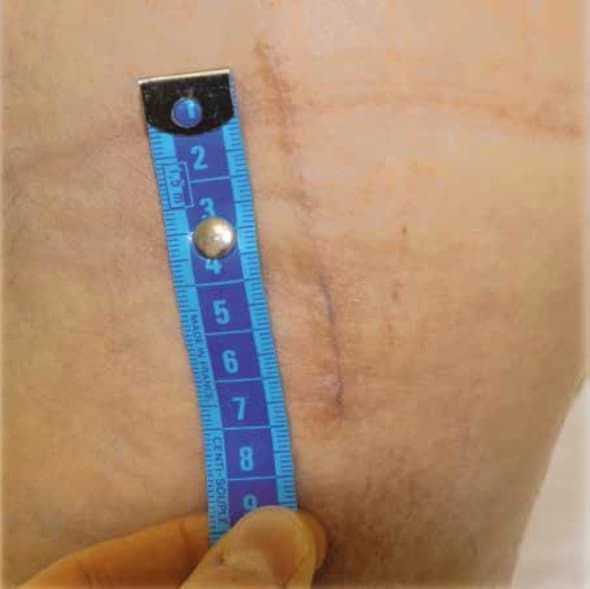
The current evidence, based on long-term data spanning more than 15–20 years, is promising and supports the assumption that the AMIS method can contribute to improved prosthesis stability and, consequently, a lower revision rate.
In any case, it is advisable for patients to seek care at a certified maximum-care arthroplasty center where surgeons regularly perform a high volume of procedures. Such centers also maintain a comprehensive portfolio of implants to enable a flexible response to various situations.
“Currently, the AMIS method is regarded as a promising option that is also used in selected revision surgeries. Thanks to the precise placement of the prosthesis, minimal tissue damage, and a shorter hospital stay, this technique is not only gentle on patients but also economically sound. It is expected that this method will become increasingly standardized in the coming years and may even be performed on an outpatient basis, which would further optimize the treatment process. Preoperative planning is increasingly carried out using modern imaging to tailor the implantation precisely to the individual’s anatomy. Given current developments, it is therefore important for patients to choose experienced and qualified clinics to achieve the best possible results. “The continued advancement of the technique, the increased focus on outpatient procedures, and quality assurance through certifications and registries all help make treatment safer, more efficient, and more patient-centered,” states Stylianos Toumasis, and with that, we conclude our conversation.
Thank you very much, Dr. Toumasis, for the insight into modern hip surgery using the AMIS method!
Share this article
Expert Interviews
Read next
- Expert interview
Expert interview with Professor Dr Elmar Herbst, PhD
Oct 15, 2026
Patient-centred and personalised knee surgery
Read more - Expert interview
Cardiogeriatrics: Significance and benefits in the context of hospital reform
Sep 21, 2026
Cardiogeriatrics: Significance and benefits in the context of hospital reform
Read more - Expert interview
Expert Interview with Professor Dr. Amadeus Hornemann, MPH
Sep 18, 2026
Prof. Amadeus Hornemann on Precision Medicine in Gynecology: Modern Surgery, New Techniques, Better Quality of Life
Read more