Expert Interviews
ACL Reconstruction vs. ACL Preservation – Does It Always Have to Be a Graft Reconstruction?

Alexandra Pfitzmann · July 7, 2026
Every year, many people in Germany suffer an anterior cruciate ligament (ACL) injury – estimates suggest that approximately 70,000 to 80,000 individuals are affected annually. For a long time, ACL reconstruction using a graft was considered virtually without alternative. However, modern orthopedic concepts are increasingly challenging this routine approach. Today, ACL preservation is receiving greater attention because, in many cases, the natural ligament structure can be reconstructed or stabilized.
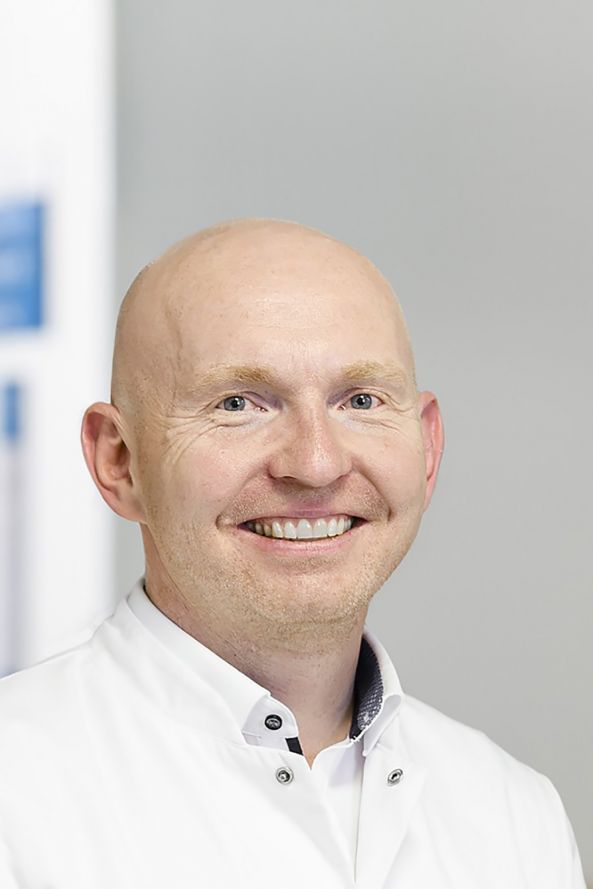
This is precisely where the expertise of Alfred Tylla, M.D., comes into play. He is one of the few German knee surgeons who routinely offers both ACL reconstruction and ACL-preserving procedures (particularly Ligamys®). He is not a dogmatic “reconstruction surgeon,” but rather a specialist who has mastered both approaches and decides on the most appropriate treatment based on the individual patient, injury pattern, and degree of instability. The editorial team of the Leading Medicine Guide spoke with Dr. Alfred Tylla about this topic.
Preserving an anterior cruciate ligament rather than replacing it with a graft is a complex decision that is made much more selectively today than it was just a few years ago. Advances in imaging, a better understanding of ligament biology, and new reconstructive techniques have led to ACL preservation becoming a genuine option in carefully selected cases.
However, for this approach to succeed, a number of anatomical, structural, and biological prerequisites must be met—and diagnostic evaluation must be precise enough to identify these factors reliably.
“When discussing ACL reconstruction versus ACL preservation, the first question is which criteria determine whether an ACL can be reconstructed and preserved—with or without a graft. In general, timing plays a very important role. The injury must be a recent ACL tear, and in this context, ‘recent’ means that surgery should be performed within 21 days.
During this period, the ACL still has the capacity to regenerate if it is stabilized. Beyond this timeframe, treatment will generally require ACL reconstruction with a graft, meaning the ligament must be replaced. There are also decisive intraoperative criteria. If the ACL has previously been operated on or if a prior graft reconstruction is present, preservation is no longer possible and the ligament must be reconstructed, which then constitutes a revision procedure.
Intraoperatively, factors such as the number of tear sites or the presence of fresh bleeding also play a role. These findings contribute to the decision as to whether preservation remains meaningful and feasible or whether reconstruction is necessary. The intraoperative findings are therefore a very important component of the decision-making process,” Dr. Tylla explains initially, before continuing:
“Another key factor is the patient’s athletic demands. A professional athlete, such as a player in Germany’s top soccer league, generally will not do well with a preservation procedure because the loads placed on the ligament are simply too high. A recreational athlete, on the other hand, who exercises regularly and perhaps skis in winter but is not exposed to maximum loads every day, can do very well with ACL preservation.
When we talk about the 21-day window, the question naturally arises whether there are differences within that period—for example, depending on the patient’s age or healing capacity. In principle, this timeframe applies to all patients, and there is no upper age limit. However, the method is not approved for patients under 18 years of age because the manufacturer does not assume liability in this age group. Approval begins at age 18.
In borderline cases, such as a 17-year-old approaching their 18th birthday, a decision can be made together with the parents under an off-label-use framework. From the age of 18 onward, there is no fixed upper age limit. However, if significant osteoarthritis is already present and the ACL would likely create more problems than benefits, preservation would generally not be recommended.”
The diagnostic process follows a clearly structured pathway. MRI is the most important preoperative tool: it reveals the location of the tear, fiber quality, the length of the ligament remnants, and possible associated injuries. Subtle findings such as contact between the ligament stump and the wall of the intercondylar notch or the signal intensity of the ligament tissue can also provide clues regarding healing potential. In addition, the clinical examination provides valuable information about functional instability—through tests such as the Lachman test or pivot-shift test—and helps assess the biomechanical significance of the rupture.
An ACL can be preserved when the anatomical conditions are favorable, the biological healing potential is realistic, and diagnostic evaluation indicates that long-term stability can be achieved. Graft reconstruction remains a proven procedure, but it is no longer automatically the first choice. Instead, careful consideration is given to whether preserving the native ligament may be the superior functional and biological solution.
Modern techniques such as ligament repair, primary ACL reconstruction, or augmentation using internal reinforcement systems (e.g., InternalBrace® techniques) can provide functional advantages over traditional graft reconstruction in selected situations—particularly for physically active patients who require a rapid, physiological, and as natural as possible restoration of joint stability. The decisive advantage is that these procedures preserve the native ACL and therefore maintain structures that are essential for proprioception, fine motor control, and natural joint mechanics.
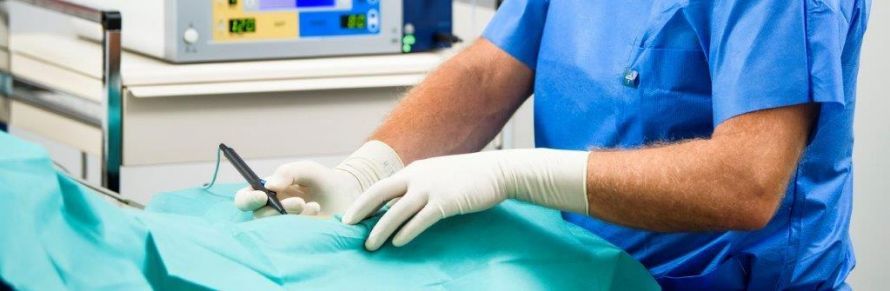
“There are various ways to preserve an ACL, including the Ligamys® procedure. People often ask whether this is simply a ligament repair or whether it is a distinct technique. In fact, the Ligamys® procedure is a specialized augmentation technique in which additional stabilization is placed within the ligament. Essentially, an additional artificial ligament is implanted.
The advantage of this system is that it allows a certain degree of biomechanical flexibility. The screw system to which the ligament is attached contains a spring mechanism. This spring absorbs extreme loads—for example, if a patient stumbles or falls and the ACL is suddenly subjected to high forces. As a result, maximum tension is not transmitted directly to the injured ligament. In essence, it is a form of ligament repair in which the native ACL is stabilized with multiple sutures while an auxiliary Ligamys® ligament runs alongside it in the natural direction of the ACL in order to unload the reconstructed tissue.
After six to nine months, when the screw is removed, parts of this artificial ligament are removed as well,” explains Dr. Tylla before describing the treatment procedure in greater detail:
“The implanted ligament is an artificial band, comparable to a small cord that is inserted as additional support. During surgery, all criteria are first evaluated: Where did the ACL tear? What is the tear pattern? Is it truly an acute injury, or could the patient be mistaking an older trauma for a recent fall? These criteria are reviewed according to a defined protocol. If the Ligamys® procedure appears appropriate, the remaining ACL stump is first refixed using four sutures.
Subsequently—similar to a conventional ACL reconstruction—a targeting device is used to create the drill tunnel for the screw with great precision. Through this tunnel, the screw together with the artificial ligament is inserted. The ligament passes through the tibia and femur in the original position of the anterior cruciate ligament and supports its function. At the end of the procedure, the system is tensioned to establish a defined baseline tension. This tension is adjusted according to the patient’s sex because biomechanical requirements differ.
The stability is then assessed intraoperatively, including with a probe test. In addition, a small marrow stimulation drilling procedure is performed to allow stem cells to migrate into the area and support healing. The stability of the remaining ligament structures is also extremely important. Therefore, during surgery, the medial and lateral collateral ligaments, menisci, and cartilage surfaces are carefully evaluated. Patients with advanced osteoarthritis would not benefit from such a procedure, whereas it can be used very successfully in young patients with isolated ACL injuries. Associated injuries such as meniscal tears can be repaired simultaneously, as can injuries to the collateral ligaments.”
Associated Injuries and ACL Preservation
Meniscal injuries—particularly those involving the posterior horn or the meniscal root—significantly reduce the rotational and anteroposterior stability of the knee. When the meniscus is compromised, stress on a preserved ACL increases, along with the risk of treatment failure. If the meniscus can be repaired, the conditions for successful ACL preservation improve substantially.
Cartilage damage serves as an indicator of overall joint health. Significant defects tend to favor graft reconstruction because a highly stable environment is required to prevent further degeneration. In the case of smaller, localized defects, ACL preservation may still be a reasonable option.
Complex associated injuries such as multi-ligament instability, meniscal root tears, osteochondral fractures, or malalignment generally lead to the recommendation for graft reconstruction. However, successful meniscal reconstruction can actually support the preservation strategy.
The Ligamys® procedure is suitable exclusively for the anterior cruciate ligament. While repair techniques also exist for the posterior cruciate ligament (PCL), they are not performed in this form. The particular advantage of the Ligamys® system lies in its biomechanical properties and spring-supported reinforcement, which are especially important during the early healing phase of the ACL.
Dr. Tylla explains: “The posterior cruciate ligament differs anatomically and functionally from the ACL and is injured much less frequently. Its primary function occurs between 60 and 90 degrees of knee flexion, and injuries typically result from substantial forces applied in unusual positions. In cases involving the PCL, the first step is often to assess the degree of instability. Many injuries are partial tears and are of limited clinical significance.
Stability is evaluated, among other methods, with stress radiographs performed at 90 degrees of knee flexion. In many cases, the posterior cruciate ligament can initially be treated conservatively. Only if a significant posterior drawer develops over a period of three to six months is surgical treatment considered. A Ligamys® procedure would not be appropriate in this setting.”
The quality of the remaining ligament tissue is a decisive factor in determining the success or failure of ACL preservation. While MRI provides a good preoperative assessment, definitive evaluation is only possible intraoperatively. Only when the tissue structure, tension, blood supply, and biological vitality are adequate can a preservation procedure restore the natural function of the ACL. This is precisely why arthroscopic tissue assessment represents the pivotal moment in the therapeutic decision-making process.
Current studies indicate that rehabilitation time and return-to-sport rates do differ between ACL-preserving procedures and traditional graft reconstruction. However, the difference is not simply a matter of being “faster” or “slower”; rather, it depends on the biological starting conditions and the athlete’s performance requirements.

“With regard to rehabilitation, there are several differences between graft reconstruction and the Ligamys® procedure, although many aspects of postoperative care are identical. Immediately after surgery, all patients are fitted with a rigid brace. In the Ligamys® group, however, this brace is worn for only five days, after which no orthosis is required. Following a conventional ACL reconstruction, by contrast, patients are transitioned to a range-of-motion brace that limits knee flexion to 90 degrees during the initial postoperative weeks.
This restriction is not necessary with the Ligamys® procedure, which offers the advantage that patients regain nearly full range of motion more quickly and can begin early exercises sooner. Otherwise, postoperative management is similar. Both groups receive a continuous passive motion (CPM) device that electrically mobilizes the knee, along with isometric exercises designed to minimize loss of thigh and lower-leg muscle mass. Regarding return to sports, patients in both groups should generally wait at least six months before resuming athletic activities at their previous level, even though physiotherapy and supervised training begin much earlier,” says Dr. Tylla, adding:
“As for long-term joint stability and the possible development of osteoarthritis, it must be acknowledged that truly long-term data for the Ligamys® system are not yet available. Existing studies with follow-up periods of five to ten years have been very encouraging and show outcomes comparable to other ACL reconstruction techniques, whether performed using hamstring tendon or quadriceps tendon grafts. However, it is currently impossible to predict with certainty what outcomes will look like after 20 or 25 years.
An interesting observation is that when patients undergo repeat arthroscopy after six to nine months—for example, to remove the screw or release adhesions—it is often difficult to tell that surgery was ever performed. The ACL, including its synovial sheath, appears almost identical to an uninjured ligament.
Another major advantage of the Ligamys® procedure is that the nerve pathways within the ACL are preserved. As a result, proprioception—the body's internal sense of stability and joint position—remains largely intact. Patients who undergo graft reconstruction more frequently report difficulty with vibration testing or balance exercises compared with their healthy knee. Patients treated with Ligamys® generally do not report these issues and often describe their mobility and internal sense of stability as very natural. Whether this remains true throughout life, however, depends heavily on muscle conditioning. I emphasize this point to all my patients.
The key factor is strengthening the thigh musculature, particularly the vastus medialis muscle, which is often neglected despite playing a central role in knee and ACL stability. The stronger the muscles, the more effectively they can unload the ACL. As people age, muscle mass naturally declines, increasing stress on the ligament and potentially leading to re-rupture in both Ligamys® patients and patients with graft reconstructions if loading limits are exceeded. Therefore, my most important advice is: build muscle and maintain muscle—especially the inner quadriceps muscle. This is even more important for athletes. My three most important recommendations are always: muscle, muscle, and muscle.”
For athletes such as runners or tennis players—that is, individuals participating in sports involving rapid start-stop movements and sudden changes of direction—returning to full activity is generally possible after both graft reconstruction and the Ligamys® procedure.
“These sports generate very high peak loads that can only be tolerated safely if the musculature has fully recovered following surgery. The greatest challenge is that every operation is followed by a period of immobilization and restricted weight-bearing, which inevitably leads to muscle loss. Many patients subjectively feel fit again long before their muscles are objectively strong enough to withstand the demands of a true return to sport.
For this reason, I always recommend specialized functional testing, particularly involving rapid changes of direction, to determine whether a safe return to sports such as tennis, squash, basketball, or even golf is appropriate,” advises Dr. Tylla.
From a surgical perspective, the greatest challenge is often not the operation itself but rather guiding the patient through recovery. Patients frequently overestimate their readiness for physical activity while their musculature is still insufficiently stabilized.
“That is why I regularly perform functional assessments—balance testing, change-of-direction drills, and single-leg jumps—to objectively determine how far a patient has progressed. Elite athletes in particular often want to return to their previous performance level as quickly as possible, which makes the situation even more challenging.
In such cases, a Ligamys® procedure is often insufficient because the athlete intends to resume high-intensity loading sooner and at a greater level. More robust implants and reconstruction methods may then be required. In older, less athletically active individuals, the question becomes whether a Ligamys® procedure is beneficial at all or whether traditional graft reconstruction should be considered directly.
There is no universal answer. Today, a 60- or 65-year-old individual may be fitter than a 35-year-old who has been largely inactive. What matters is biological age and, above all, the patient’s expectations. I always ask very specific questions: Where do you want to be a year from now? Do you want to ski expert-level slopes again, or are you primarily concerned with walking comfortably and feeling secure in everyday life?
Chronological age alone plays only a minor role. Much more important are the condition of the knee joint, any previous surgeries, and the anticipated daily demands placed on the ACL. If a patient has very limited athletic ambitions, one can even discuss whether graft reconstruction is necessary at all or whether muscular stabilization alone may be sufficient.
It is possible to live without an ACL, but many patients experience instability during the first 30 degrees of knee flexion—for example, while climbing stairs. This instability increases the risk of developing osteoarthritis prematurely. These issues must be discussed openly so that a shared decision can be made regarding whether a reconstructive procedure is appropriate.
In principle, the Ligamys® procedure is the less invasive option because it preserves the patient’s own ligament. However, it must fit the overall clinical situation. There is no rigid age cutoff; what matters are the patient’s history, prior injuries, athletic goals, and ultimately where they want their journey to lead.”
The Ligamys® procedure has not been in widespread use for very long. It received the Swiss Excellence Product Award in 2018 and had previously undergone several years of testing and evaluation, beginning around 2015.
“At that time, our hospital was among the first institutions in southern Germany to introduce and establish the system. Since implementing it, we have consistently had positive experiences—provided that the indication is selected correctly. That is the crucial factor, because new systems are often used too broadly in the beginning, which inevitably leads to setbacks.
However, when the criteria are followed consistently, the chances of success are very high. The procedure is becoming increasingly widespread throughout Germany, although many hospitals include it in their portfolio while performing only a limited number of cases.
At our institution, we perform between 160 and 190 ACL surgeries annually, and approximately 40 to 50 percent of them are ACL-preserving procedures. That is a relatively high proportion. As a result, our referral area is correspondingly large. During the winter months in particular, many patients come to us from winter sports regions or are transferred from those areas. During this season, we receive several referrals every week because other hospitals deliberately refer patients who may be candidates for ACL preservation.
Just as in joint replacement surgery, the same principle applies here: the more frequently a procedure is performed, the better the outcomes become,” Dr. Tylla emphasizes.
The learning curve associated with the Ligamys® procedure is demanding. Based on experience, approximately 50 to 70 procedures are required before a surgeon can confidently master the technique and manage potential complications effectively. This phase is important, which is why the procedure should ideally be learned under the guidance of experienced surgeons.
“In high-volume centers, this is relatively easy to implement because both graft reconstructions and ACL-preserving procedures are performed regularly, allowing new colleagues to be trained in a structured manner. Performing two or three procedures is simply not enough.
In principle, the procedure is available to all eligible patients. The decisive factor, however, is obtaining an MRI as quickly as possible whenever an ACL injury is suspected, because the 21-day window for preservation is very short.
Many patients initially wait for an appointment with a private-practice orthopedic specialist, which may not be available for several months. To avoid such delays, primary care physicians and orthopedic surgeons have been extensively informed so that patients with acute injuries can be referred directly. In addition, we established a dedicated outpatient scheduling office that coordinates these cases promptly and prioritizes appointments to ensure that the treatment window can be met. This represents a significant advantage that many other institutions cannot offer due to long-term scheduling constraints.
Because appointment availability throughout Germany is generally limited—particularly in rural areas—we also offer a specialized knee clinic at MVZ Ansbach every Friday. Patients with acute ACL injuries can schedule appointments directly and be evaluated without prolonged waiting times. Registration is simple and can be completed online via the homepage of the MedZentrum Ansbach,” Dr. Tylla highlights, bringing our conversation to a close.
Thank you very much, Dr. Tylla, for providing these valuable insights into ACL preservation and ACL reconstruction.
- Director of the certified Rummelsberg Knee Center; recognized specialist in knee joint preservation
- Extensive expertise in ACL preservation, meniscal reconstruction, cartilage restoration procedures, and patellofemoral instability
- Individualized indication strategy: preservation before replacement, graft reconstruction only when clearly necessary
- Highly experienced in arthroscopic, minimally invasive procedures and complex reconstructive surgery
- More than 900 complex knee procedures performed annually at the center—reflecting extensive experience and high-quality outcomes
- ATLS Provider: experienced in the management of complex trauma cases and emergency department resuscitation scenarios
- Broad experience in sports orthopedics; an important referral center for both recreational and professional athletes
- Actively involved in scientific research and internationally connected (including ESSKA and AGA)
Share this article
About the medical author
Alexandra Pfitzmann
Editor
Alexandra Pfitzmann – medical author: expert knowledge, professional articles and medical insights in the Leading Medicine Guide.
More about the medical author →Expert Interviews
Read next
- Expert Interviews
Expert Interview with Professor Dr. Amadeus Hornemann, MPH
Sep 18, 2026
Prof. Amadeus Hornemann on Precision Medicine in Gynecology: Modern Surgery, New Techniques, Better Quality of Life
Read more - Expert Interviews
Expert Interview with Professor Dr. Konstantinos Anagnostakos
Sep 15, 2026
Prof. Anagnostakos on Painful Knee Replacements
Read more - Expert Interviews
Expert Interview with Professor Karl Philipp Kutzner, M.D.
Sep 11, 2026
Prof. Kutzner on Cutting-Edge Endoprosthetics at ENDOPROTHETICUM Mainz
Read more